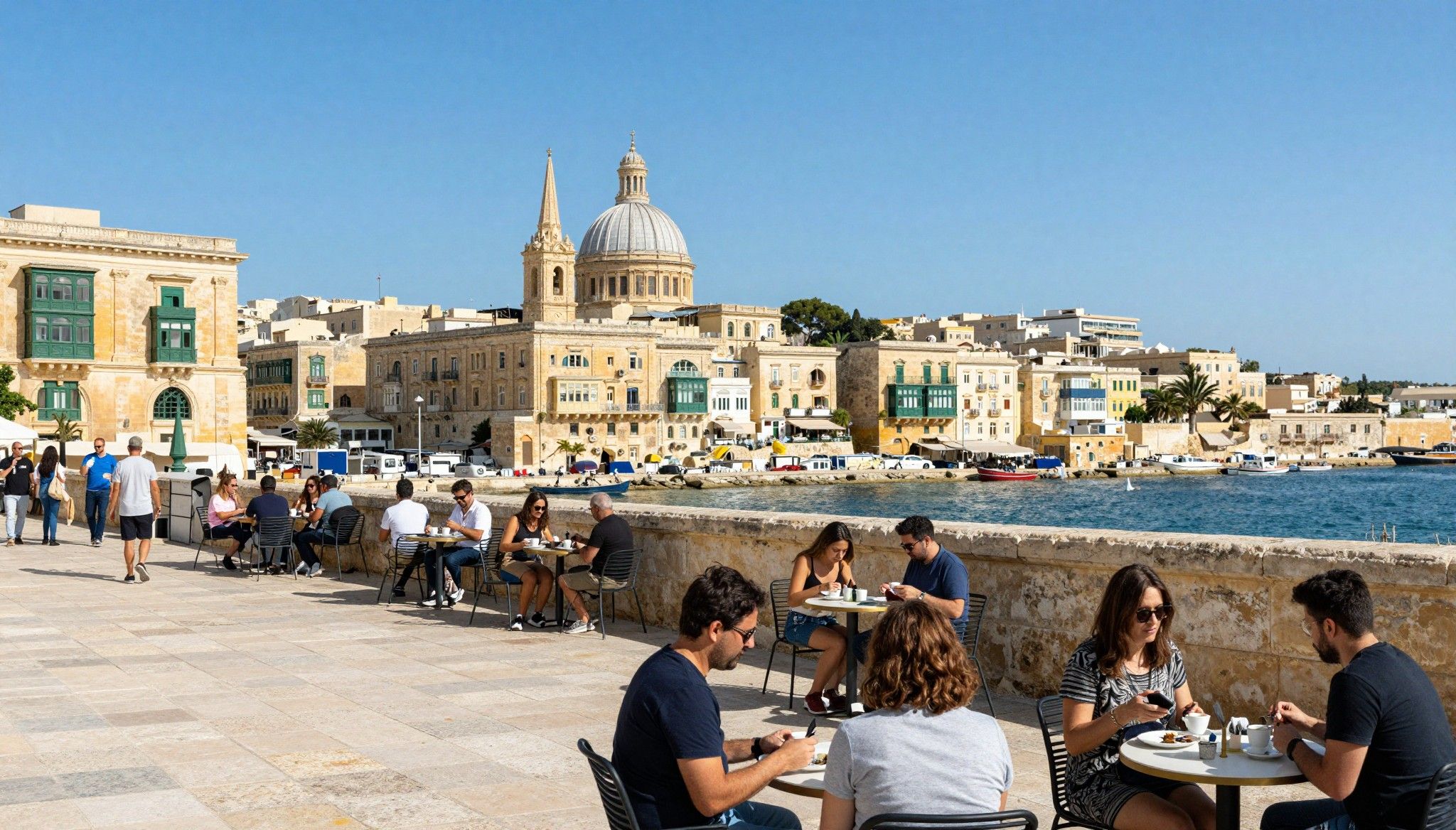
Malta: Seasonal Yield Truths, Neighbourhoods & Net Returns
Malta’s charm drives demand, but yields average ~4% gross; match neighbourhood to tenant type, convert gross to net, and stress‑test seasonality before buying.
 The Yieldist
Imagine stepping out for a morning espresso on Triq it-Torri in Sliema, then walking a few minutes to a sea-facing apartment you bought as a rental. Malta feels smaller than it is — every neighbourhood has a rhythm, and tourism surges give short‑let demand peaks that noticeably lift rental income during seven months of the year. Yet beneath the postcard scenes lie measurable yield tradeoffs: compact inventory, rising prices and seasonally concentrated demand that change the math for international buyers. Recent market analysis shows price growth and strong tourist inflows that shape rental markets across the islands.
Living Malta: the sensory case for buying
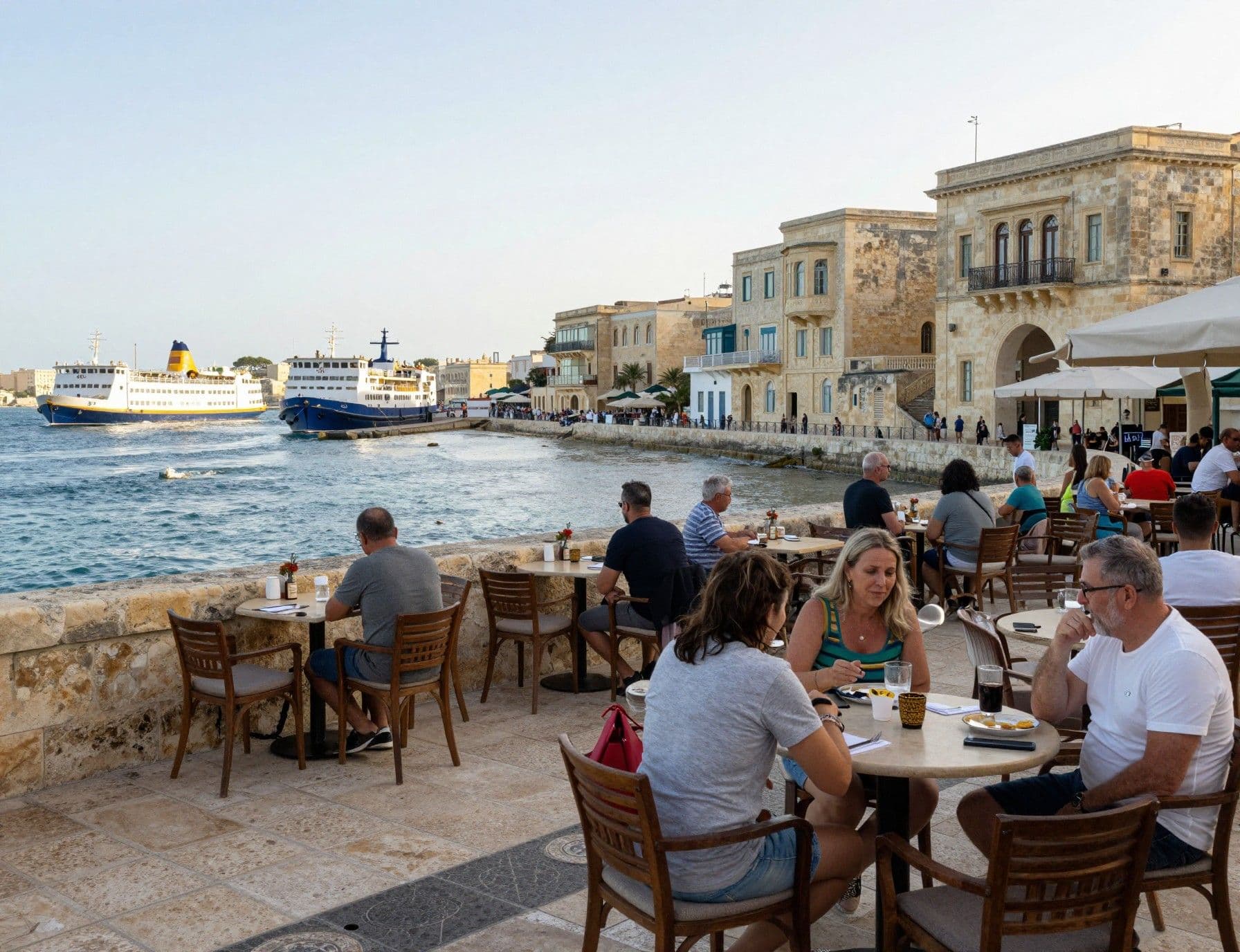
Malta’s appeal is immediate: warm limestone facades, compact streets where a café table is a neighbourhood stage, and an English-friendly rhythm that smooths integration. Tourism recovered strongly in 2024, lifting footfall in Sliema, St Julian’s and Valletta — neighborhoods that capture both lifestyle desirability and short‑let demand. Those tourist flows explain why many buyers imagine instant rental income, but the reality is a blended market of short lets, longer-term expatriate renters and local families — each segment affects achievable yields differently. NSO tourism figures confirm robust arrivals that feed short‑term rental demand across key hotspots.
Neighborhood spotlight: Sliema → St Julian’s corridor
Walkable, water‑lined and internationally familiar, the Sliema–St Julian’s corridor combines cafés, coworking spaces and short‑term rental hotspots like Paceville and Spinola Bay. Apartment prices here outpaced many inland areas in 2023–24 as demand concentrated on convenience and sea views; the NSO’s RPPI shows apartment segments driving national price gains. For lifestyle buyers who value immediate rental interest, these streets deliver—but pay close attention to price per square metre and the net yield after management and compliance costs.
Hidden‑charm alternative: Gżira and Ta' Xbiex
If you want the sea without the tourist crush, Gżira and Ta' Xbiex offer quieter quayside living, shorter commutes to Valletta and tenant profiles that include digital nomads and professionals. These pockets often give slightly better gross yields than prime seafront because purchase prices are more moderate while rental demand from long‑stay tenants remains healthy. Expect strong weekday occupancy and steadier leases that reduce management churn compared with holiday hotspot streets.
- Lifestyle highlights: cafés, bays and weekday rhythms - Espresso at Café Mamo (Sliema) and a ferry commute to Valletta - Sunset strolls on Spinola Bay, Portomaso marina scene - Sunday markets and fish stalls at Marsaxlokk for weekend ease - Gozo day‑trips: quieter rental demand and different price dynamics - Coworking hubs in Sliema and Valletta serving remote professionals
Making the move: how lifestyle choices bend yield math

Short‑term demand and tourism translate to headline rental potential, but published gross yields for Malta sit in the low‑to‑mid single digits (around 3.9–4.1% in recent quarters according to market trackers). Those are gross yields — before taxes, agency fees, maintenance and compliance with short‑let rules — so international buyers need to convert gross to net to see true returns. Price growth has been steady, but yield compression is a real risk where purchase premiums chase lifestyle hotspots.
Property types and practical tradeoffs
Historic townhouses and converted maisonettes offer character and command premium nightly rates in Valletta and Mdina, but maintenance and limited parking hit net yields. Modern apartments in Gżira or San Ġiljan are easier to manage and often attract longer‑stay professionals — reducing vacancy risk. New developments can look attractive on paper, but factor in service charges and longer-term demand shifts when calculating returns.
- Practical steps that link lifestyle to returns 1. Map desired tenant type (short‑let tourists vs long‑stay professionals) and size your property accordingly. 2. Calculate net yield: subtract estimated 20–35% from gross for taxes, fees and maintenance. 3. Check local short‑let rules and licensing — non‑compliance risks voiding income. 4. Prioritise properties within 500–1,200m of transport and coworking hubs for higher weekday occupancy. 5. Get a local lettings appraisal, not just an asking‑rent estimate, to stress‑test occupancy assumptions.
Insider knowledge: what expats wish they’d known
Expat landlords often underestimate seasonality: tourist peaks (spring and summer) can mask low‑season vacancies that pull annualised yields down. They also misprice service charges and underestimate renovation costs for older stone buildings. Local advice: treat Valletta’s short‑let premiums as an upside, not the baseline; build conservative occupancy assumptions based on official tourism trends rather than peak months alone.
Cultural and community realities
English is an official language, easing tenancy management and contracts for international owners. Community life is local and relational: neighbours expect clear communication about waste collection, noise and renovations. For investors, that means fast, local property managers matter — they navigate municipal rules, tenant expectations and seasonal turnovers in ways a remote owner cannot.
Before signing: an evidence checklist - Verify recent RPPI trends and recent transaction volumes with NSO publications to confirm price momentum. - Demand test rental estimates against both NSO tourism seasonality and local long‑stay listings. - Contract with a local property manager familiar with immigration‑linked tenancy patterns and short‑let compliance. - Stress test your net yield under a conservative 60–70% peak occupancy for short‑lets or 90% for long‑lets. These steps convert a romantic buying thesis into a disciplined investment case grounded in data and local practice.
Conclusion: love the lifestyle, price the risk
Malta is compact, lively and amenable to international buyers who value English‑language ease, Mediterranean climate and high tourist inflows. But rental yields are moderate and sensitive to seasonality. The smartest buyers fall for the place first, then treat property as an income asset: match neighbourhood to tenant type, convert gross yields into realistic net returns, and use local agents and managers who translate lifestyle promises into reliable cashflow.
The YieldistBritish expat who moved to the Algarve in 2014. Specializes in portfolio-focused analysis, yields, and tax planning for UK buyers investing abroad.
Related Articles
More insights that might interest you

 Villa Curated
 Villa Curated
 The Yieldist


