Malta's 'Too Expensive' Myth — Where Nomads Find Value
Malta’s reputation for pricey real estate hides neighbourhood-level value for nomads. Match visa routes, internet needs, and local agents to find lifestyle-rich, budget-smart homes.
 MoveSettleGo
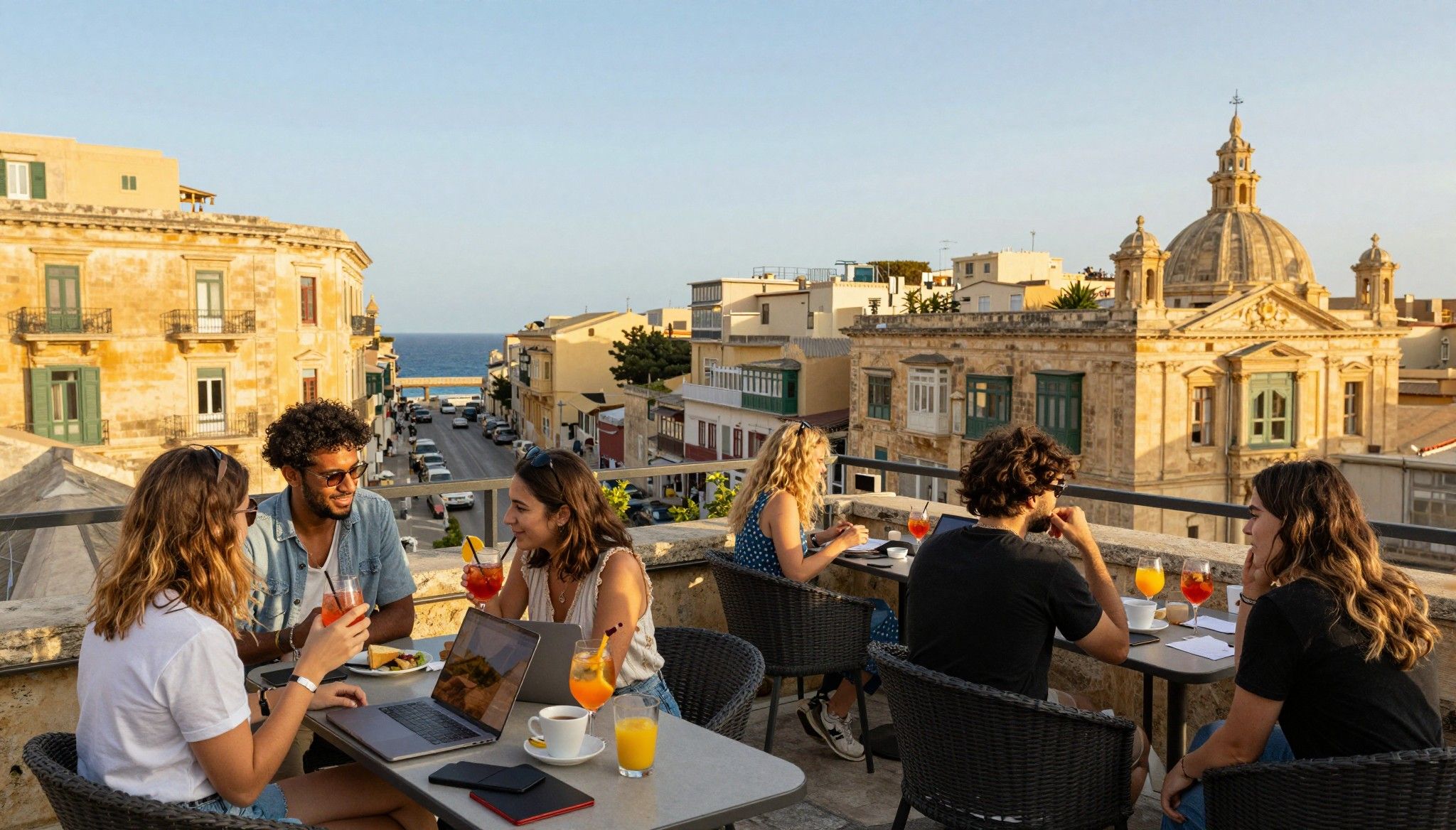
Imagine sipping an espresso on a sun-warmed Sliema promenade, laptop open, a ferry cutting the blue behind you — and realising Malta isn’t just for luxury buyers. Recent market analysis shows steady price growth but pockets of surprising value for mobile professionals. This piece pulls back the curtain on the most persistent myth about Malta — that it’s "too expensive" — and points nomads to the specific neighbourhoods, visa routes, and property types where life and value meet.
Living the Malta lifestyle
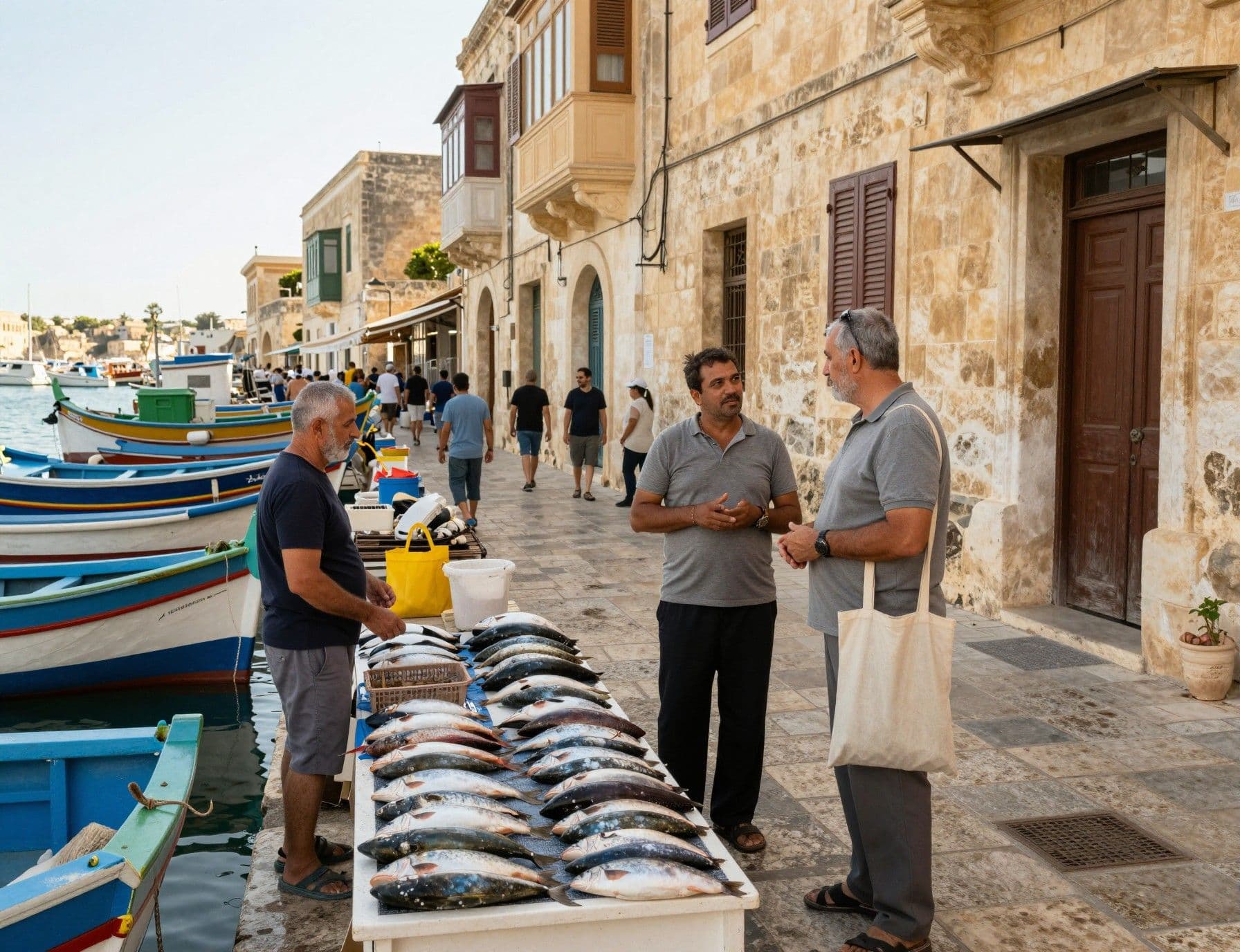
Malta is compact, lively, and endlessly walkable. Mornings mean markets in Marsaxlokk or a quick swim at Għajn Tuffieħa, afternoons drift into co-working hours in buzzing Sliema cafés, and evenings are about roof terraces in Valletta or seafood on St Julian’s waterfront. National statistics show property prices rose in recent years, but that headline masks neighbourhood-level differences and seasonal softness that savvy nomads can use to their advantage.
Sliema & Gzira — café culture with fast internet
Sliema and Gzira are the practical heartbeats for remote workers: plentiful cafés with reliable Wi‑Fi, short commutes to coworking hubs, and a steady stream of international faces. Walk the Strand at sunrise and you’ll meet freelancers tapping away between espresso shots. Properties here tend toward modern apartments and maisonettes — small terraces and sea glimpses — that rent well short-term and feel lived-in rather than trophy-like.
Valletta & Three Cities — history, height and quiet corners
Valletta’s baroque streets deliver drama every time you turn a corner; the Three Cities offer a quieter, authentic alternative with narrow lanes and working harbours. These areas reward people who love architecture and short walks to nightlife and galleries, but they can contain hidden bargains — smaller, older properties needing cosmetic love that become charming pied‑à‑terre or rentable assets after light renovation.
Coastal towns (Marsaskala, St Paul’s Bay) — space for less
If you want sea and square footage without Sliema prices, look to Marsaskala or St Paul’s Bay. These towns have family-friendly promenades, slower paces, and modern apartment blocks that often cost noticeably less per square metre. For nomads who value a balcony and fast ferry access on weekends, this tradeoff gives you lifestyle and a lower entry price.
- Lifestyle highlights to try — actual places and moments: - Espresso and coworking at Café Così, Sliema; golden-hour walks along The Strand. - A fresh-fish lunch at Marsaxlokk market, Sundays. - Rooftop drinks with Valletta views after art openings at MUŻA. - Sunset swims at Għajn Tuffieħa followed by casual barbecue evenings. - Beach-side jogging and weekend dive trips from St Paul’s Bay marina.
Making the move: lifestyle-led practicalities

Falling for Maltese life is easy; converting that feeling into a smart purchase takes a few concrete moves. Start by aligning visa options with how long you plan to stay — Residency Malta’s Nomad Residence Permit is a realistic entry for many remote professionals. Then map neighbourhood vibe to property type: pick a modern apartment for plug‑and‑play living, or a character maisonette if you crave local charm and renovation upside.
Property styles: what suits the nomad life
Apartments and maisonettes dominate urban Malta; terraced houses and villas appear more often outside the main towns. For remote work, prioritise internet-ready units, a dedicated nook for work, and outdoor space — even a small balcony changes daily life. Older properties can be gems but budget for upgrades: insulation, AC, and modern electrical wiring are common retrofit items.
Working with local experts who get nomads
Pick an agency that understands both visas and lifestyle needs — not just the sale price. Good local agents will flag fast‑internet fibre lines, proximity to coworking hubs, and the true noise levels at 8 a.m. They’ll also advise on seasonal demand for rentals if you plan to sublet while traveling. Treat agencies as lifestyle matchmakers rather than mere transaction facilitators.
- Step-by-step lifestyle + practical checklist: 1. Apply for the Nomad Residence Permit or relevant long-stay visa and understand tax residency implications. 2. Shortlist neighbourhoods by daily routine: cafes, coworking, grocery access, and evening life. 3. Verify building internet and cellphone signal (ask the agency for speed test results). 4. Inspect for AC, double-glazing, and water pressure — climatic comfort matters year-round. 5. Get local quotes for short renovations; factor them into your offer price. 6. Plan for property management if you’ll be away: find a local manager who understands short lets.
Insider knowledge: myths, real costs and expat truths
Here’s the real talk expats wish they’d heard: Malta feels small, which means supply constrains prices in hotspots but also creates micro-markets where value exists if you look beyond the obvious. Long-term residency and mobility rules are clear for many applicants, but paper work still demands precision. Use official guidance early — it saves stress and money later.
Cultural tips that affect where you buy
Maltese social life happens late: dinners run long and neighbourhood bars stay lively. If you prize quiet evenings for deep work, avoid apartments directly over popular waterfronts or bars. English is widely spoken, which makes integration easier, but learning basic Maltese phrases opens doors. Community matters: small gestures — joining a local festa or market day — speed up friendships.
Hidden costs and red flags to watch
- Watch these practical issues before you sign: - Building age and maintenance levies — older blocks can have high communal bills. - Water pressure and septic systems in older towns. - Seasonal rental variability if you plan to sublet during peak summer months. - Clarify title and land-use rules with a notary experienced in Maltese property law.
Many buyers worry Malta will bust their budget — but the truth is more nuanced. National data shows price rises, yet the island’s diversity means some pockets remain accessible and hugely rewarding for nomads. With the right visa route, a lifestyle-first property brief, and a trusted local agent who knows fibre lines and festa calendars, you can have both excellent everyday life and a property that holds value.
Quick action plan: If Malta feels like home, start by requesting the Nomad Residence Permit brochure and shortlist two neighbourhoods that match your daily rhythm. Arrange short stays in each area, test coworking and cafés at peak hours, and talk to at least two local agents about internet speeds and property management. Small experiments now save big headaches later.
Conclusion — Malta is not a single price-tag. It’s a patchwork of rhythms, streets, and communities. Fall for the lifestyle first, then let practical checks — visa fit, internet, and local agency knowledge — translate that love into a confident buy. Ready to scout Malta’s hidden pockets of value? Book short stays in Sliema and Marsaskala, bring a light renovation budget, and let an agent who understands nomads handle the details.
MoveSettleGoBritish expat who moved from Manchester to Mallorca in 2017. Specializes in market analysis and helping fellow Brit navigate local regulations.
Related Articles
More insights that might interest you
 Villa Curated
 Villa Curated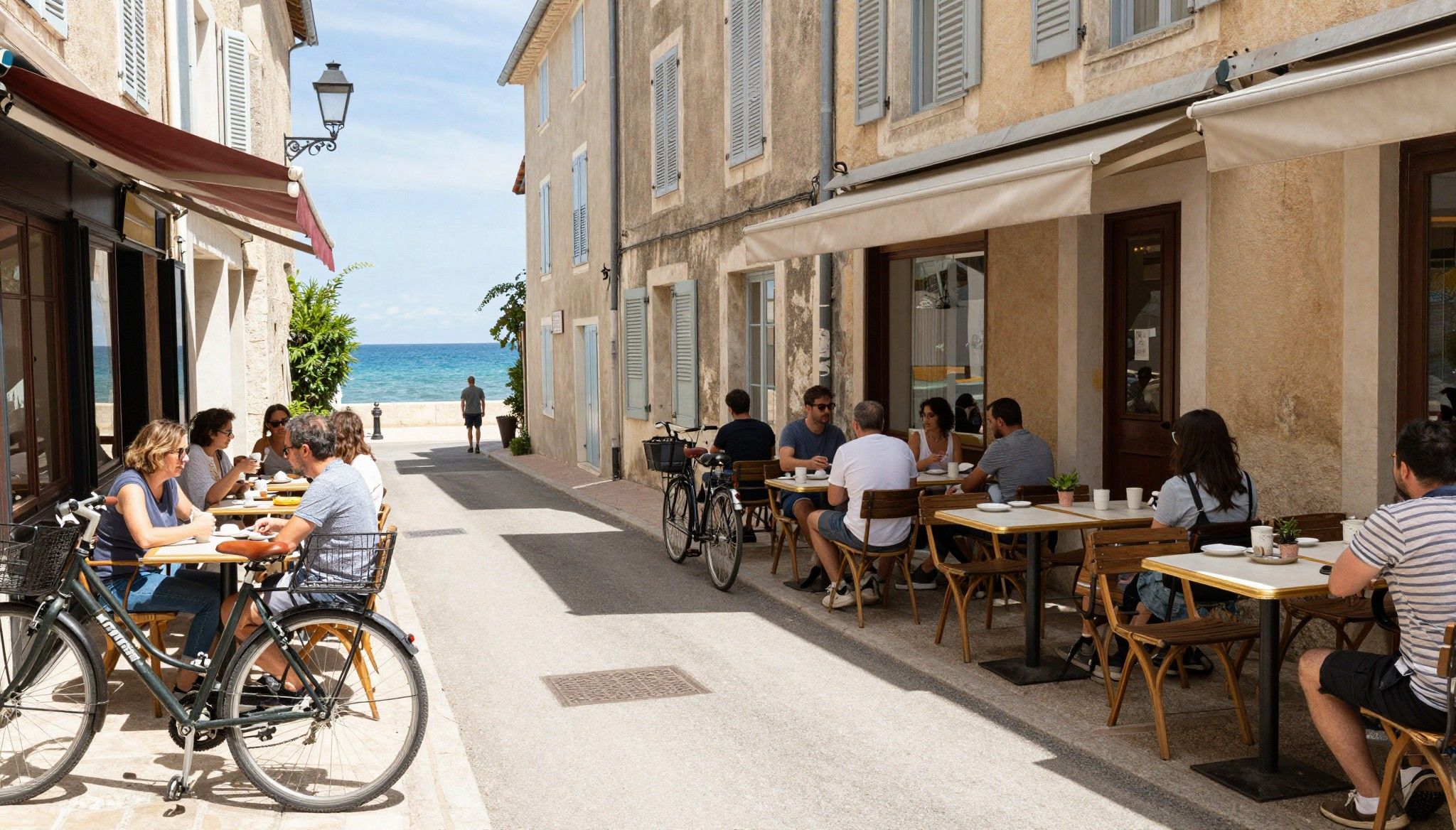
 The Yieldist

