Green Loans, Hidden Value: Buying in France
How green loans, local expertise and a lifestyle‑first lens reveal overlooked value across France — practical steps for international buyers ready to live lightly.
 Moss & Hearth
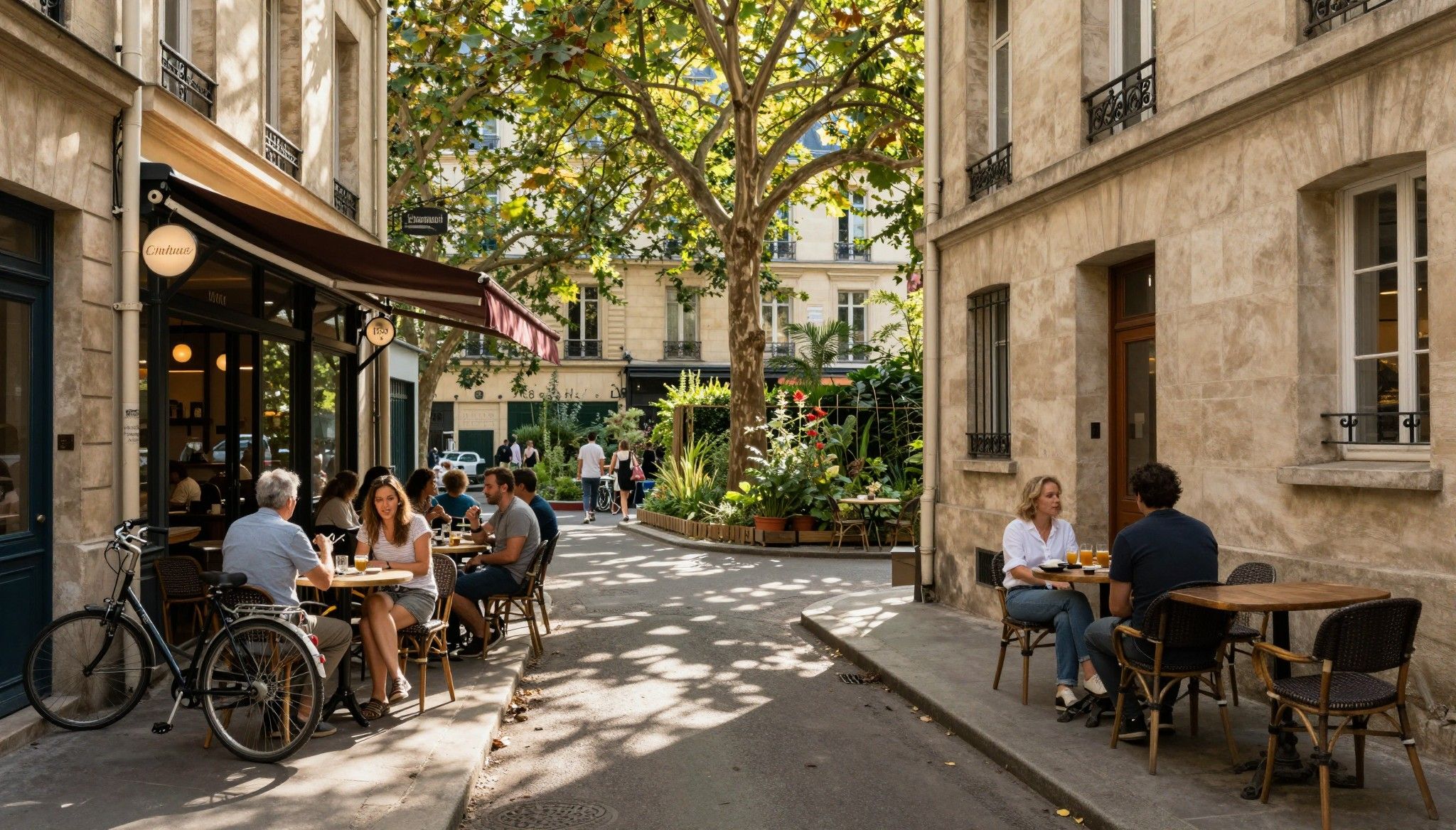
Imagine waking to the smell of fresh bread on Rue Cler, cycling past limestone cottages in Dordogne, or sipping vin blanc at a sunlit terrace in Montpellier — and knowing the house you buy there can cut energy bills, host a thriving garden, and be financed with green-friendly loans. Recent notaires‑Insee data show the French market stabilising, which makes right‑timed, sustainability‑minded purchases an especially smart move for international buyers.
Living France: season, street life and the quiet value of place
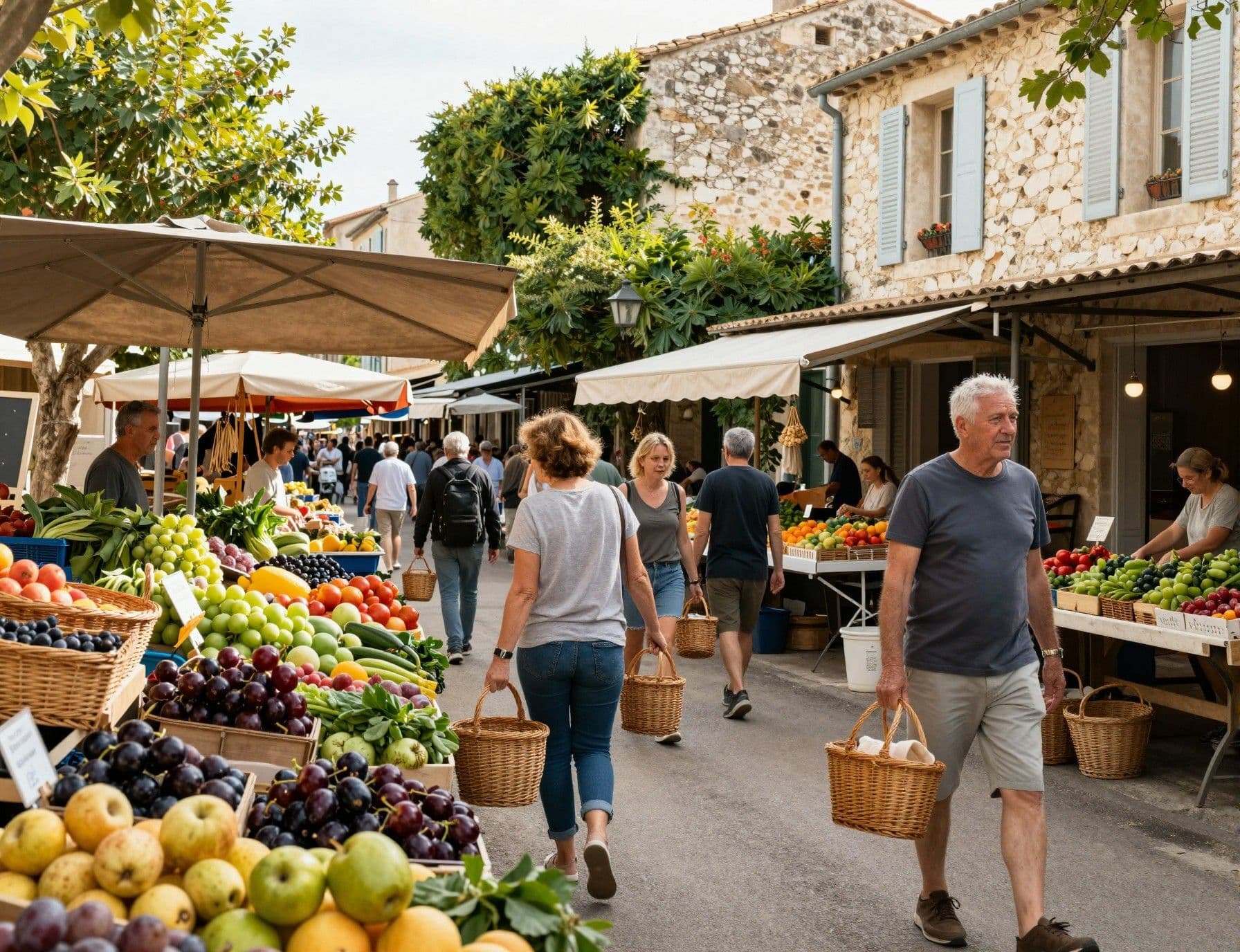
France is less a single lifestyle and more a collection of daily rhythms: morning market chatter in Aix‑en‑Provence, late‑night jazz in Lyon’s Croix‑Rousse, salt wind and shellfish stalls along the Île de Ré. For international buyers who love slow food, neighbourly cafés and gardens that yield salad greens into October, this is a country where the home and landscape are inseparable — and where that connection changes how you choose a property.
Paris & Île‑de‑France: intimacy within intensity
Paris rewards walking and small‑scale outdoor rituals: boulangeries that open at dawn, second‑hand book stalls by the Seine, and pocket gardens tucked behind haussmannian façades. For eco‑minded buyers, look for apartments with south‑facing windows, thick stone walls that regulate temperature, and communal courtyards where container gardening is possible — these small features preserve comfort while cutting reliance on heating and cooling.
Southwest & rural France: big skies, small prices, big retrofit potential
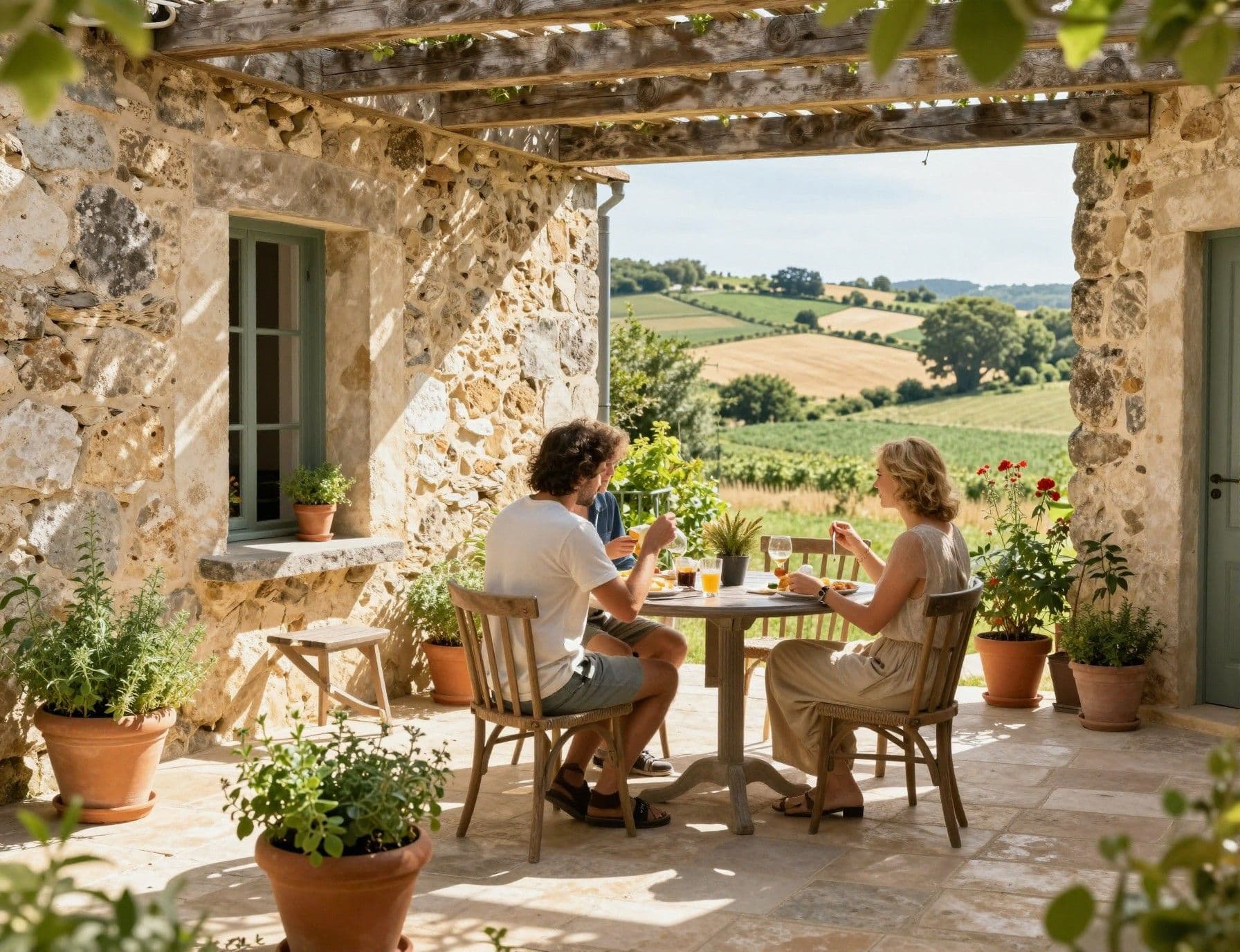
In regions like Nouvelle‑Aquitaine or the Lot, stone farmhouses sit on generous plots and often come with lower price per square metre — a counterintuitive route to owning a slice of French life. Notaires reports underline renewed transaction activity outside Paris, which creates pockets of genuine value for buyers willing to invest in well‑thought energy retrofits.
Making the move: green financing and practical buying steps
The dream of an energy‑smart French home is within reach thanks to specific public schemes. The éco‑prêt à taux zéro (éco‑PTZ) and national renovation grants like MaPrimeRénov’ can meaningfully lower renovation costs or income‑based barriers. Understanding which loans and grants stack with each other is the practical bridge from romantic ideas to a financed, comfortable reality.
How green loans change the maths
An éco‑PTZ can cover remaining renovation costs once MaPrimeRénov’ has been applied, and banks increasingly price in future energy savings when assessing mortgage affordability. For buyers, that means a modestly higher purchase price can be offset by lower annual utility bills and grant‑assisted retrofit costs — transforming a fixer into a long‑term, low‑cost home.
Working with local experts to combine lifestyle and finance
Choose notaries and lenders experienced with non‑resident purchases and green finance: they’ll know which energy audits (diagnostic de performance énergétique) are required, where MaPrimeRénov’ applies, and how to structure financing across currencies. An agent who understands permaculture gardens or passive insulation is worth their weight in gold: they’ll spot homes that live well and cost little to operate.
Insider knowledge: myths, tradeoffs and the choices expats actually make
A few honest confessions from buyers and local agents: the coast glitters in summer but many buyers prefer quieter shoulder seasons; a hefty renovation budget buys you autonomy from the grid; and language barriers are real — but neighbourhood markets and volunteer garden projects are the fastest ways to belong. These lived realities shape where internationals finally decide to plant roots.
Cultural cues that change house priorities
French social life centers on food, shared public space and seasonal rituals. Buyers often swap a second bathroom for a kitchen that draws friends; they prioritise terraces over formal gardens; and many choose smaller, better‑built homes with space for plants. These preferences dovetail naturally with eco‑features — think heat‑retaining stone, natural ventilation, and spaces for composting.
Long‑term thinking: stewardship beats speculation
If you intend to live in France part‑time or rent, favour properties that are adaptable: energy‑efficient heating, durable natural materials, and landscapes designed for low irrigation. These features preserve value through market cycles and reduce management headaches for remote owners.
- Lifestyle highlights to prioritise when house‑hunting in France
- Morning markets (Rue Mouffetard, Paris; Cours Saleya, Nice) — social life and local produce
- South‑facing terraces and thick stone walls — passive comfort and lower bills
- Plots with space for an orchard or vegetable beds — seasonal food independence
- Neighbourhood cafés, local associations, and communal gardens — fastest routes to belonging
Steps to buy smart: a numbered action plan
- Commission an energy audit (DPE) early — it informs grant eligibility and renovation scope.
- Speak to a French lender and a currency specialist — lock favourable transfer terms and discuss éco‑PTZ stacking with MaPrimeRénov’.
- Work with a notaire and an agent experienced with non‑resident buyers; consider an SCI if estate planning or sharing ownership.
- Prioritise durable materials and low‑maintenance landscapes in your budget — the long‑term savings compound.
France offers a life that tangibly rewards a sustainable approach: sunlit terraces that reduce heating needs, village markets that shorten food miles, and grants and zero‑rate eco loans that make green upgrades achievable. Market data from INSEE and notarial reports show pockets of opportunity outside the headline prices, and public schemes such as the éco‑PTZ and MaPrimeRénov’ lower the cost of turning a house into a low‑energy home. If you love day‑to‑day French life and want a property that honours the land, start with an energy audit, talk to a green‑savvy notaire, and let lifestyle guide the numbers.
Ready to explore French neighbourhoods that live well and cost less to run? Reach out to an agent who understands both the oats in your garden and the clauses in your compromis de vente — the right local partner turns romance into a resilient, sustainably financed home.
Moss & HearthNorwegian market analyst who relocated from Oslo to Provence; guides investors with rigorous portfolio strategy and regional ecological value.
Related Articles
More insights that might interest you
 Villa Curated
 The Yieldist
 The Yieldist

