
Cyprus: Life‑First Tax Choices for Buyers
A refined, practical look at Cyprus: how VAT, transfer fees, rental rules and local customs shape lifestyle-driven property choices.
 Villa Curated
Imagine waking to a slow light that slides across honeyed limestone and the scent of ground coffee from a corner kafeneio in Limassol’s old port. Weekends are for a market stall in Larnaca, a taverna on Agios Tychonas beach, and a late afternoon glass of Commandaria in a hill village above Omodos. Yet beneath this untroubled surface sit precise tax rules and small, consequential choices — when you pay VAT instead of transfer fees, how rental income mixes with social contributions, and whether a residence will ever fall under capital gains rules. Understanding those particulars allows the life you imagine to be lived with confidence; the rest is negotiable.
Living the Cyprus life: light, meals, neighbourhoods
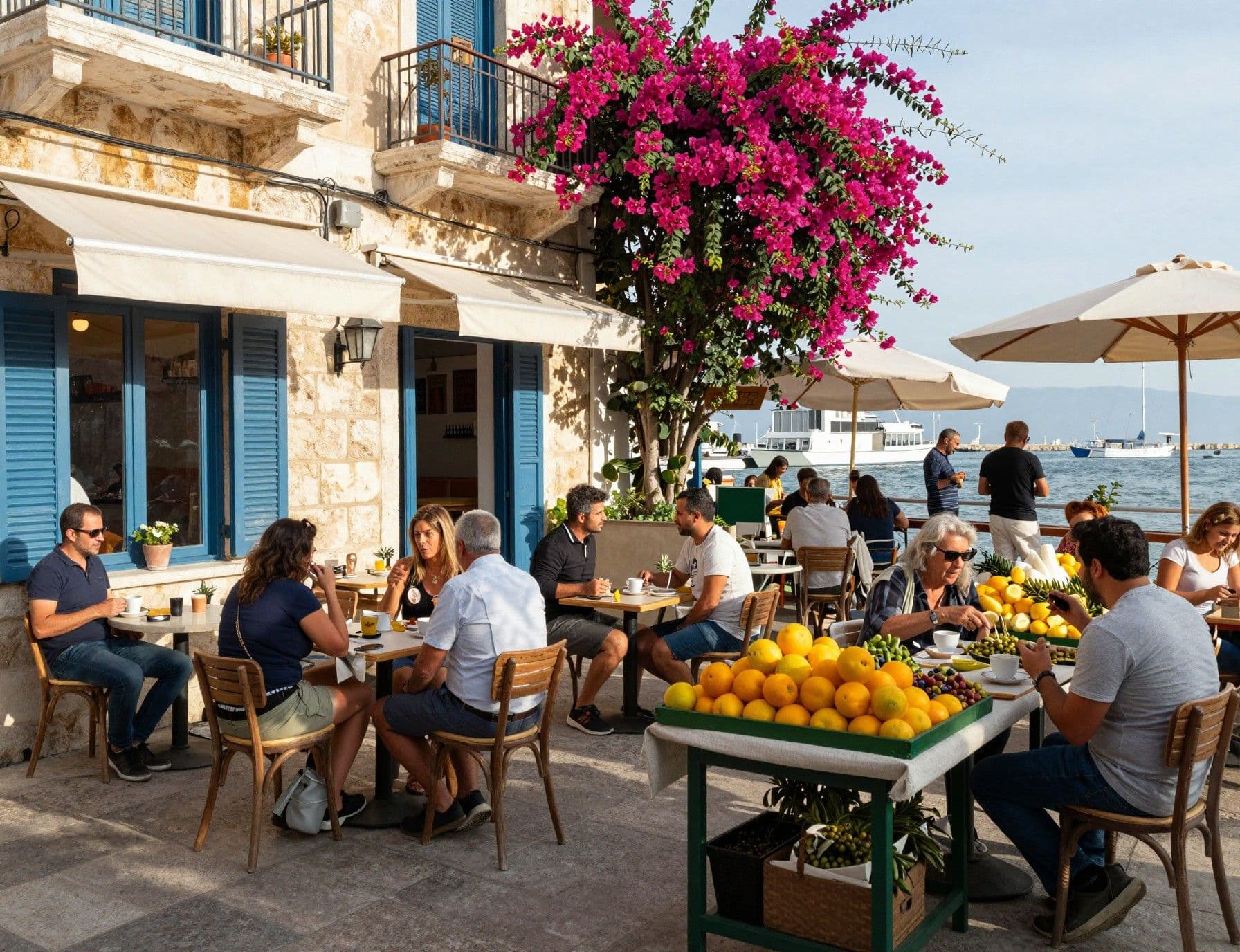
Cyprus is compact enough that coast and mountain feel like distinct worlds joined by a single afternoon drive. In Limassol the language of the street is coffee and sea; in Nicosia it is shaded courtyards and late-night meze. The Troodos slopes offer a different tempo — stone-paved lanes, village bakeries, and a winter that reshapes property choices. These rhythms determine the home you want: a light-filled apartment with sea views, a townhouse near a lively square, or a restored stone cottage with vaulted rooms. Knowing the pace of each place helps you choose a property that supports the life you intend to lead.
Limassol and the southern coast — modern marinas and day-to-day ease
In Limassol and the Paphos coast, mornings begin at the cafeneion on Anexartisias Street and move toward beaches and yachts by noon. Developers here often present new builds subject to VAT — an important distinction because VAT liability generally replaces transfer fees on new property purchases, changing transactional costs materially. If you picture breakfast on a balcony and short walks to restaurants, prioritise developments with considered communal spaces and proven management; they preserve both lifestyle and resale value.
Troodos and inland villages — stonework, seasons and stewardship
Choose the mountain villages around Troodos and you choose texture: timber beams, stone façades, and a winter calendar of village festivals. Properties of character often come with bespoke maintenance requirements — roof repairs, insulation and sympathetic restoration — which affect tax treatment only indirectly but will shape your long‑term running costs and decisions about whether to occupy or rent. For buyers who prize provenance, a careful inspection of construction materials and planning permissions is as important as tax planning.
- Morning espresso at Kato Paphos harbour; Sunday market in Larnaca’s old town; an evening plate of octopus at Dasoudi; a hike to Troodos waterfalls; local wine tasting in Omodos; twilight promenades on Molos promenade.
Making the move: how lifestyle choices map to tax realities

Choosing a neighbourhood is inseparable from choosing a tax posture. New-build apartments on the coast can be subject to VAT (usually 19%) and are therefore exempt from land transfer fees; resale homes typically trigger transfer fees calculated on the registry valuation but may benefit from statutory reductions. Rental plans bring other considerations: whether you will register for VAT, the treatment of short‑term versus long‑term lets, and how social-health contributions (GeSY) and income tax apply. These are not abstract items; they alter net yield and the timing of a purchase.
Property types and transaction triggers
If a sale is VAT‑able (typically new constructions sold by a developer), buyers pay VAT but are spared transfer fees; conversely, secondary market transactions usually avoid VAT yet attract transfer fees based on the market valuation. For a buyer focused on lifestyle, this means the same monthly budget can secure different properties depending on whether the seller is a developer or a private owner — a fact that rewards strategic timing and clarity about a property’s tax status before exchanging contracts.
How letting affects your annual account
- If you plan to rent, expect rental income to be pooled with other taxable income for residents and subject to progressive income tax; non-residents face separate treatment. Additionally, health and social levies (GeSY) apply and there are rules about when VAT registration is necessary for short‑term tourist lets. The practical result: calculate net yield both before and after local levies, and consult a Cyprus tax specialist to model scenarios for seasonal or year‑round letting.
Insider knowledge: what expats wish they’d known
Expats often arrive charmed and then surprised by a small set of recurring realities: procedures that require physical signatures in Cyprus, the importance of Land Registry valuations, and a preference among local lawyers for stepwise closings that protect both parties. The good news is these are navigable with the right local team — a notary‑experienced lawyer, an agent who knows which developers reliably honour warranties, and an accountant who understands cross‑border residence tests. These practitioners turn intangible lifestyle aims into a legally secure tenure.
Cultural integration and community — language, schools and rhythms
Most Cypriots speak English fluently in urban areas, and international schools cluster around Limassol and Nicosia; yet social introductions and trust are still local phenomena. Joining a village festival in Peyia or a weekly farmers’ market in Athienou will teach you more about local practice than many formal briefings. When planning a purchase for family life, consider proximity to medical clinics, school transport routes, and the seasonal patterns that shape life here — all of which influence both daily comfort and long‑run value.
Long‑term stewardship and the tax picture ahead
Cyprus abolished the immovable property tax in 2017, but capital gains tax and other transaction levies remain active considerations when you sell. Thoughtful buyers factor in likely holding periods, potential renovation budgets, and regional planning that might change a neighbourhood’s desirability. Stewardship here is not only aesthetic; it is fiscal: period maintenance and documented improvements can reduce taxable gain on disposal and protect the property’s provenance for future owners.
- Work with a Cyprus tax adviser experienced in non‑resident and resident scenarios; confirm whether a purchase is VATable before signing; budget for transfer fees or VAT and land registry valuations; model rental income both before and after GeSY and VAT; keep careful records of renovations and permitted works for CGT purposes.
- Arrange these steps when you are ready to proceed: 1) Instruct a local lawyer to perform title and planning searches; 2) Ask the seller/developer for VAT or transfer fee confirmation in writing; 3) Obtain a Land Registry valuation estimate to anticipate transfer fees; 4) Commission a tax projection for rental and sale scenarios; 5) Agree escrow and deposit terms that protect both lifestyle and legal certainty.
In Cyprus you buy more than a house: you buy the ease of Mediterranean days, neighbourhood rituals and a smaller, gracious scale of life. Marry that sensibility with the right local advisers and the result is intentional ownership rather than a purchase of paperwork. Start by visiting the streets you imagine living on, ask the practical questions about VAT and transfer fees before you fall in love, and hire the team that protects both your lifestyle and your capital.
Villa CuratedNorwegian with years in Florence guiding clients across borders. I bridge Oslo and Tuscany, focusing on legal navigation, cultural context, and enduring craftsmanship.
Related Articles
More insights that might interest you
 Villa Curated
 The Yieldist
 The Yieldist


