Italy: Neighbourhood Life and Where Value Actually Lies
Italy’s residential market shows modest recovery; pairing seasonal, neighbourhood-led lifestyle with careful local expertise reveals the most enduring value.
 Villa Curated
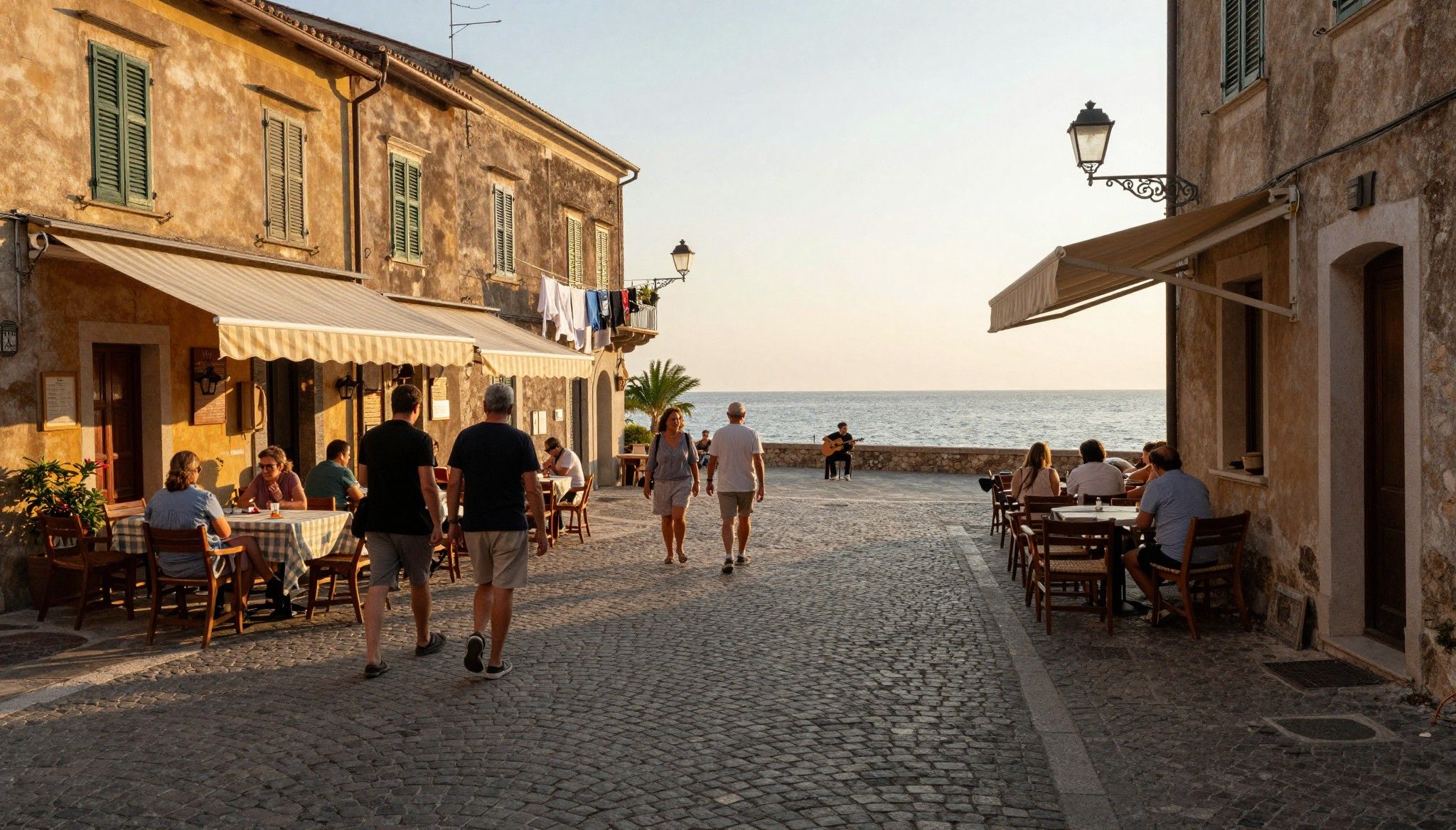
Imagine mornings in Bologna where a barista knows your name, afternoons in a Ligurian fishing village picking mussels at the mercato, and evenings on a Florence terrace lit by the slow burn of antique streetlamps. Italy moves with a layered rhythm — centuries-old civic rituals meet contemporary food markets, small-scale craft and exacting attention to material. That layered life is the reason international buyers come: provenance, conviviality and architecture that rewards careful stewardship. Yet the market beneath this romance has shifted in the past two years; understanding where life and value intersect matters as much as the view.
Living the Italian Life: Texture, Taste and Place
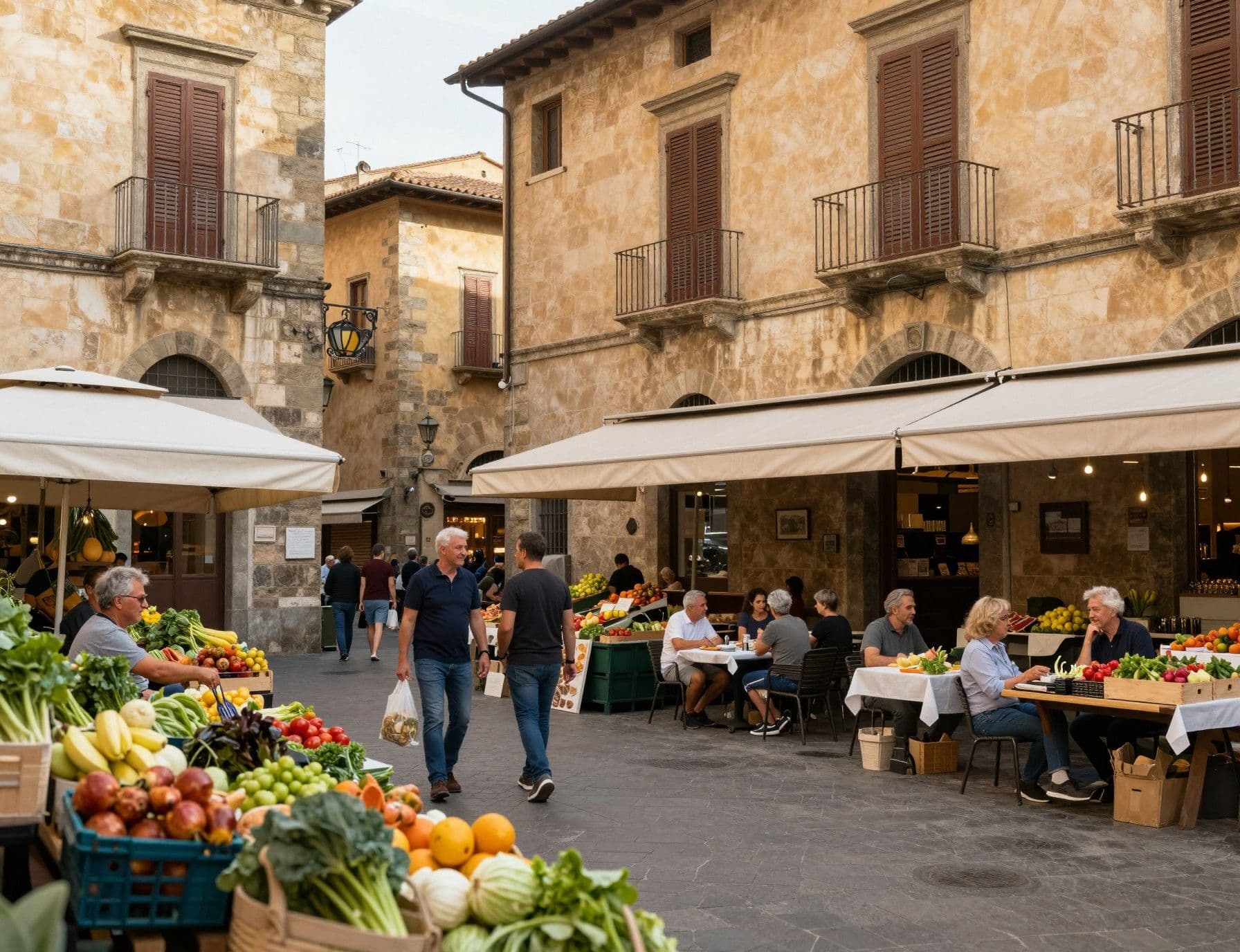
To live in Italy is to calibrate tempo: slow espresso conversations, efficient weekday markets, and festival weekends that re-centre neighbourhood life. In Rome that means shaded passeggiatas through Prati or Trastevere; in Turin, afternoons in the Galleria or along the Po. Each city and region offers a distinct social architecture: piazzas as living rooms, neighbourhood bakeries whose hours shape your day, and seasonal markets that govern what appears on your table.
Neighborhoods that Reward Patience
Not all desirable addresses are immediately obvious. In Milan the fine-grain value is often found in the quieter streets of Porta Romana and the artisan blocks near Navigli, where workshops, bespoke tailors and family-run trattorie create durable demand. On the coast, places such as Sestri Levante or the lesser-known coves outside Cefalù provide the coastal idiom without the peak-season spectacle of Positano. These are the micro-locations where daily life — a favourite café, a reliable fishmonger, an evening passeggiata — defines long-term satisfaction more than headline square-metre prices.
Food, Markets and Seasonal Life
Food is civic ritual: the Mercato Centrale in Florence, the Esquilino food stalls in Rome, the fish market at Viareggio — each anchors neighbourhood life and often the best properties are those a short walk from such markets. Seasonal rhythms affect utility and use: olive harvests and truffle season alter weekend patterns, while July and August bring quieter inland towns as Italians head to the coast. For buyers, this means thinking beyond ‘view’ to proximity to sources of daily joy.
Making the Move: Market Reality and What the Numbers Say
The romance of place meets market arithmetic. National data shows prices and transactions recovering after a slowdown: ISTAT and market research firms report renewed price growth and a rise in sales volumes during 2024–2025, while specialised reports highlight greater activity in historic centres and quality coastal towns. For an international buyer this means opportunity — but selective. Growth is not uniform: established centres and desirable micro-neighbourhoods lead, while peripheries lag.
Property types and the lifestyle they enable
Think in terms of use rather than category. A modest apartment on Via Giulia in Rome offers intimacy with Renaissance fabric; a restored farmhouse in Langhe offers harvest-time living and vineyard adjacency; a renovated palazzo flat in Venice confers cultural convenience but higher maintenance. Historic buildings reward patience and good restoration; modern conversions deliver immediate comfort and often superior energy performance. Choose the type that fits how you want to live, not only how you imagine you will invest.
How local experts translate lifestyle into value
A local agency does more than show houses: it reads craftsmanship, understands seasonal rental demand, and translates neighbourhood nuance into realistic price expectations. Agents who know where artisans still practise, where markets are reviving, and which blocks resist speculative pressure will find properties that preserve value. For international clients, an agent who can arrange trusted restorers, verify title histories and explain the micro-market rhythm is indispensable.
Practical factors to weigh when choosing a neighbourhood
- • Proximity to daily markets and a dependable alimentari rather than purely tourist streets. • Quality of light and orientation: north-facing historic apartments can be cool and dim; terraces with afternoon sun are rare and valuable. • Maintenance realities of historic fabric: roofs, plumbing and heritage constraints add predictable costs. • Access and seasonality: some seaside towns prosper year-round; others are winter-quiet and require different management strategies. • Local services: medical, transport and international-school access for families and long-term planning.
Insider Knowledge: What Expats Wish They’d Known
Expat experience often follows a pattern: initial enchantment, the slow reveal of seasonal and administrative realities, then hard-earned fluency. Long-term contentment rests on local relationships — a trusted notary, a mason who specialises in terrazzo, neighbours who share information about municipal plans. Small social investments repay richly when you need permits, local recommendations or a reliable rental manager.
Language, customs and the social architecture
Italian social norms are concrete: punctuality at the shop is forgiving, punctuality for appointments matters; civic participation is local and tangible. Learning enough Italian to read notices, ask about building works, and greet market sellers changes the quality of your days. Many international buyers find that a modest language investment yields disproportionate social and practical returns.
Longer-term stewardship and resale realities
Think generationally. Well-restored properties in established quarters appreciate not only from market cycles but from the cumulative value of craftsmanship and context. Conversely, speculative flips in marginal neighbourhoods face steeper risk. Buyers who commit to thoughtful conservation, sympathetic upgrades and discreet property management tend to preserve both lifestyle and capital.
A six-step approach to a confident Italian purchase
- 1. Map life priorities: markets, schools, transport and proximity to cultural life. 2. Shortlist micro-neighbourhoods and spend unhurried time there across seasons. 3. Engage a bilingual notary and an agency with restoration and tax experience. 4. Commission a technical survey focused on heritage issues (roof, foundations, utilities). 5. Plan refurbishment with local artisans and secure written quotes and timelines. 6. Arrange local property management before your first absence to protect rental and maintenance value.
Italy's market offers a rare combination: lived-in heritage and clear pockets of growth. Recent data from national statistics and market observatories show modest but steady price increases and rising transaction volumes, particularly in well-located historic centres and quality coastal towns. For the international buyer who values provenance and day-to-day life, the strongest purchases are those that pair neighbourhood authenticity with careful technical due diligence.
Begin with place. Spend mornings in cafés, afternoons at markets and evenings in neighbourhood squares until a particular street feels like a prospective home. Then bring the practical tools: a local agency that understands both value and craft, a notary who can explain titles, and a conservator or architect who respects provenance. When lifestyle and stewardship align, Italy rewards both living and legacy.
Villa CuratedNorwegian with years in Florence guiding clients across borders. I bridge Oslo and Tuscany, focusing on legal navigation, cultural context, and enduring craftsmanship.
Related Articles
More insights that might interest you
 Villa Curated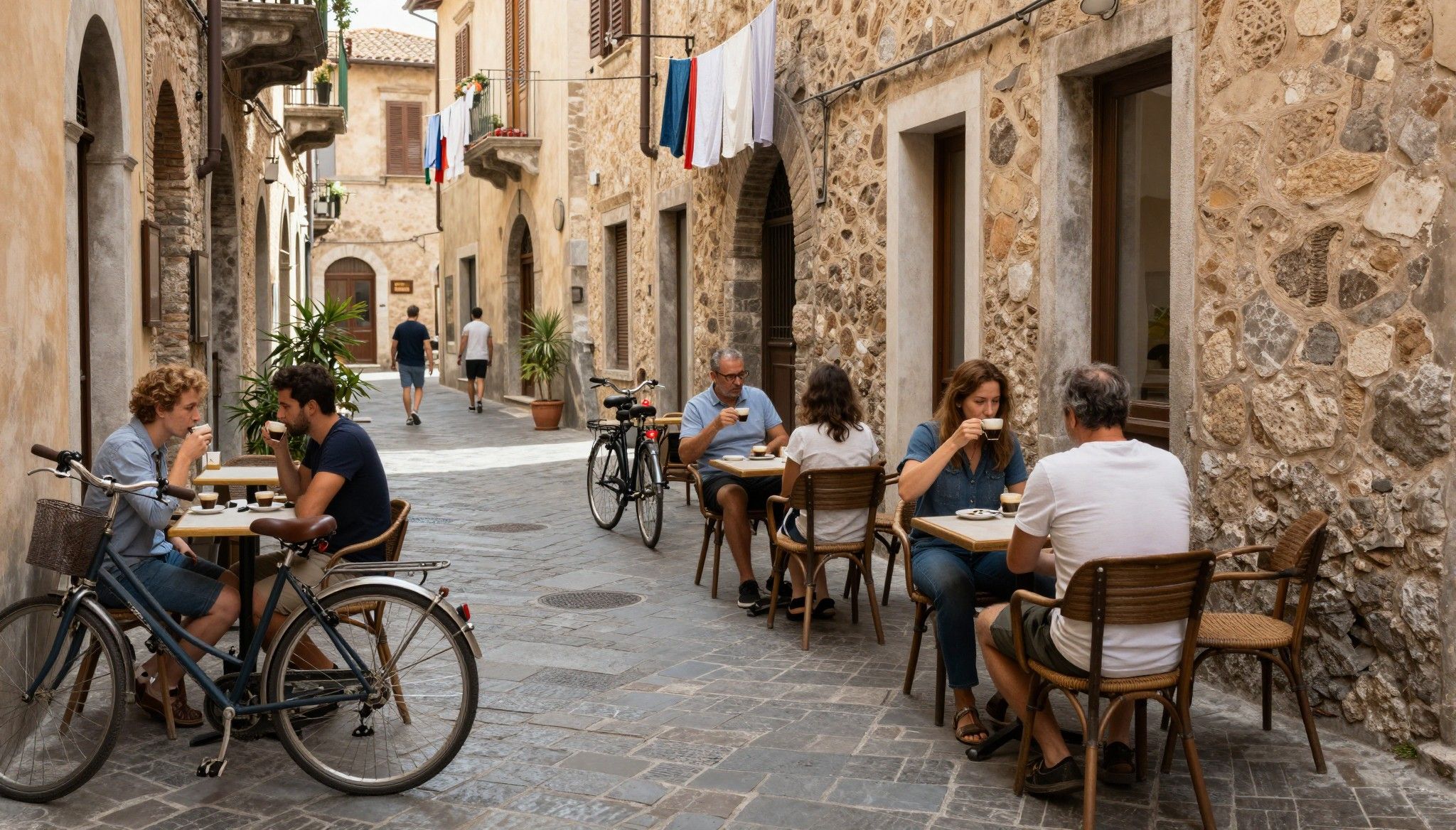
 The Yieldist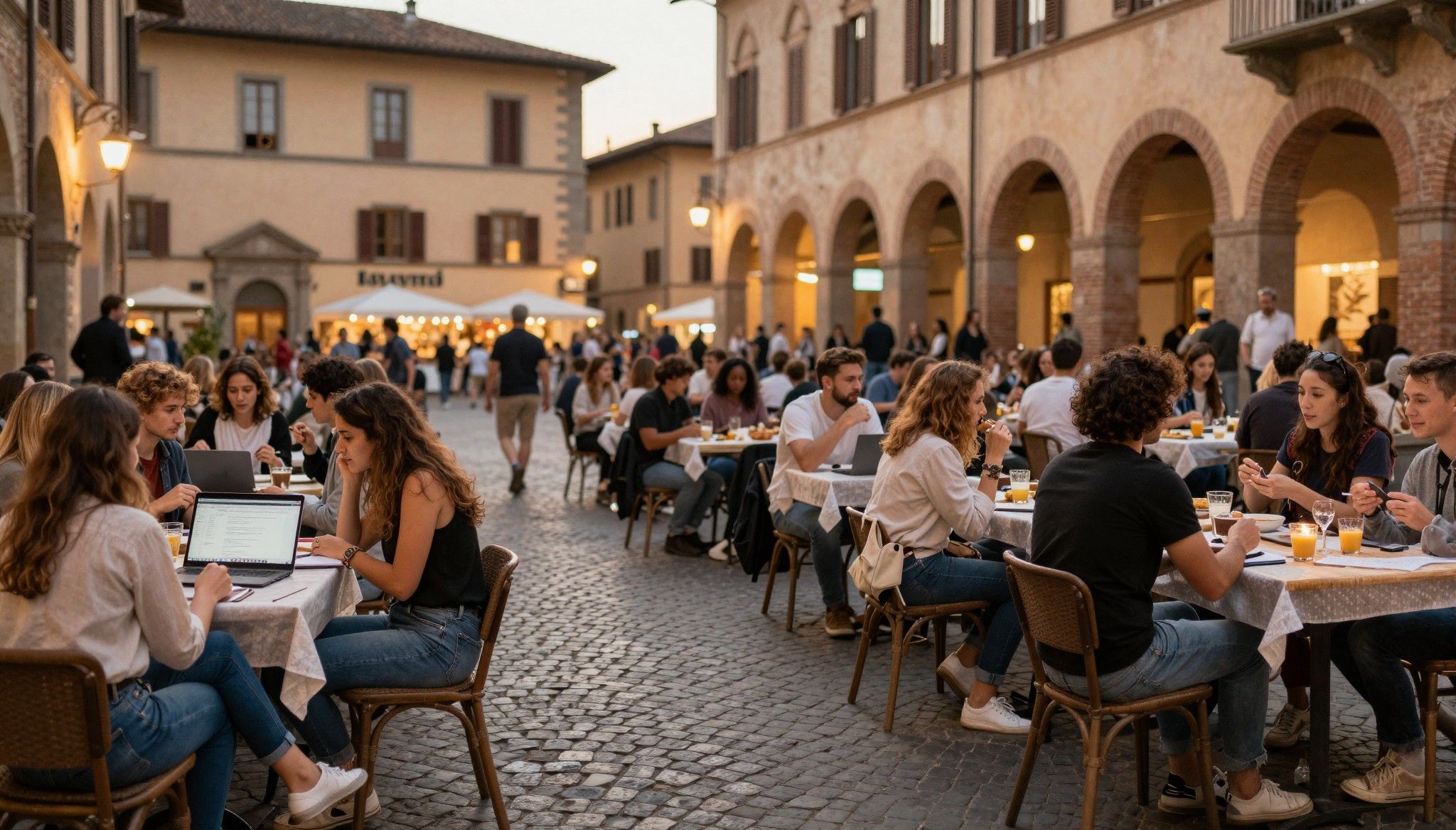
 MoveSettleGo

