Croatia’s Quiet Value: Where Lifestyle Outshines Price
Fall for Croatia’s rhythms first: coastal charm, stone village life and seasonal opportunity, then use market data and local expertise to buy sustainably and wisely.
 Moss & Hearth
Imagine walking out of a stone‑arched kafić in Split’s Veli Varos at 8 a.m., espresso steam mingling with sea salt, cicadas just waking in the pines above Kaštela — and knowing a weekday like this could easily be your new rhythm. Croatia’s small towns and islands fold slow Mediterranean days into modern comforts: community markets, family‑run konobas, and framers tucked into terraced olive groves. For buyers who care about sustainable living and authentic place, that daily texture often matters more than headline price tags.
Living Croatia: the sensory map
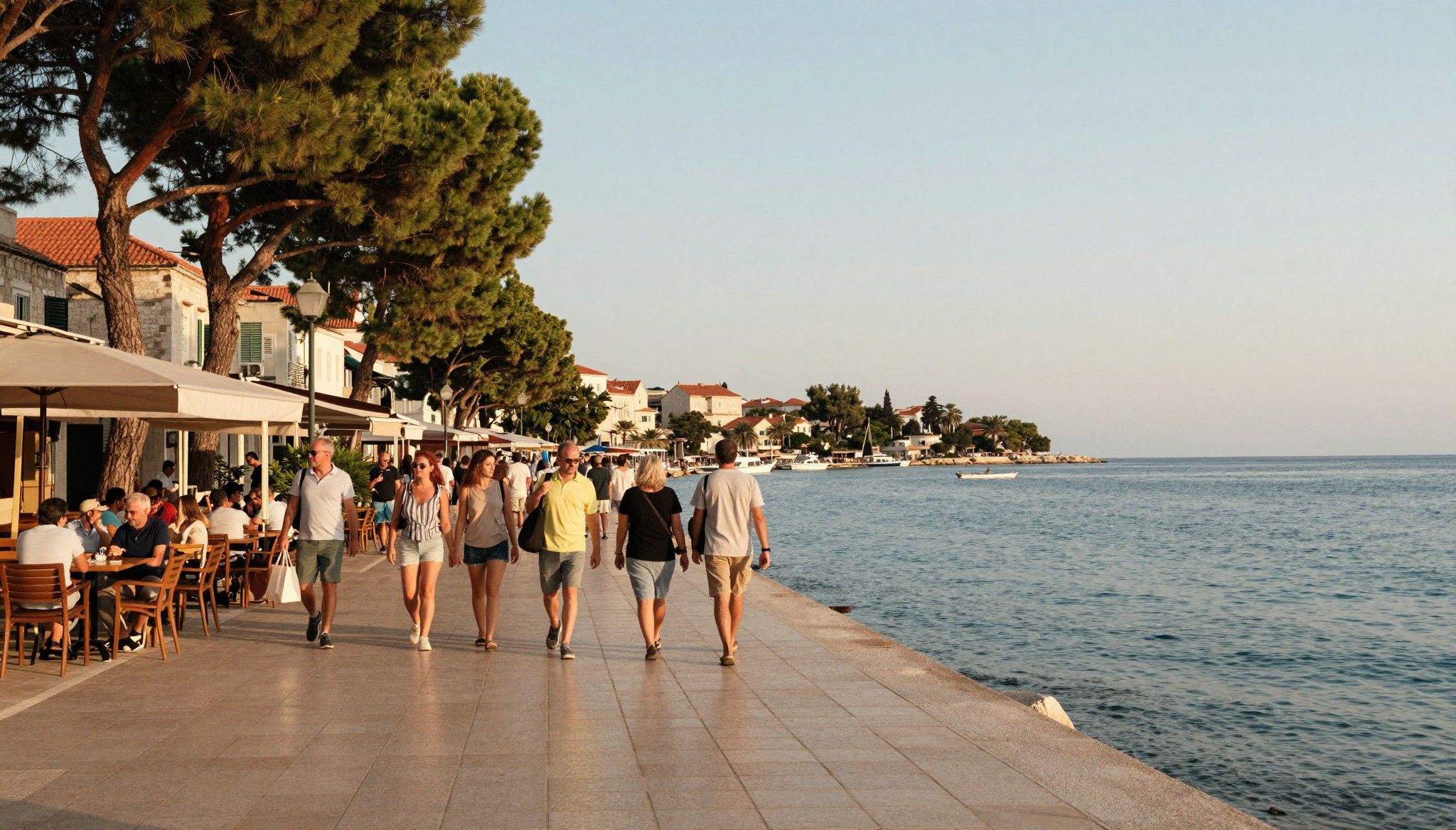
Croatia’s lifestyle is stitched from contrasting threads: the medieval sunlit lanes of Dubrovnik and Trogir, the Venetian‑timbered lanes of Rovinj in Istria, the lively seafront promenades in Split, and the quiet hinterland villages where stone houses keep centuries of craft. In Zagreb, leafy squares and weekend markets fold a continental tempo into city life. Each place has its own light, scent and rhythm — and those differences shape what kind of home and garden will feel like sanctuary.
Coastal towns: morning markets and slow dinners
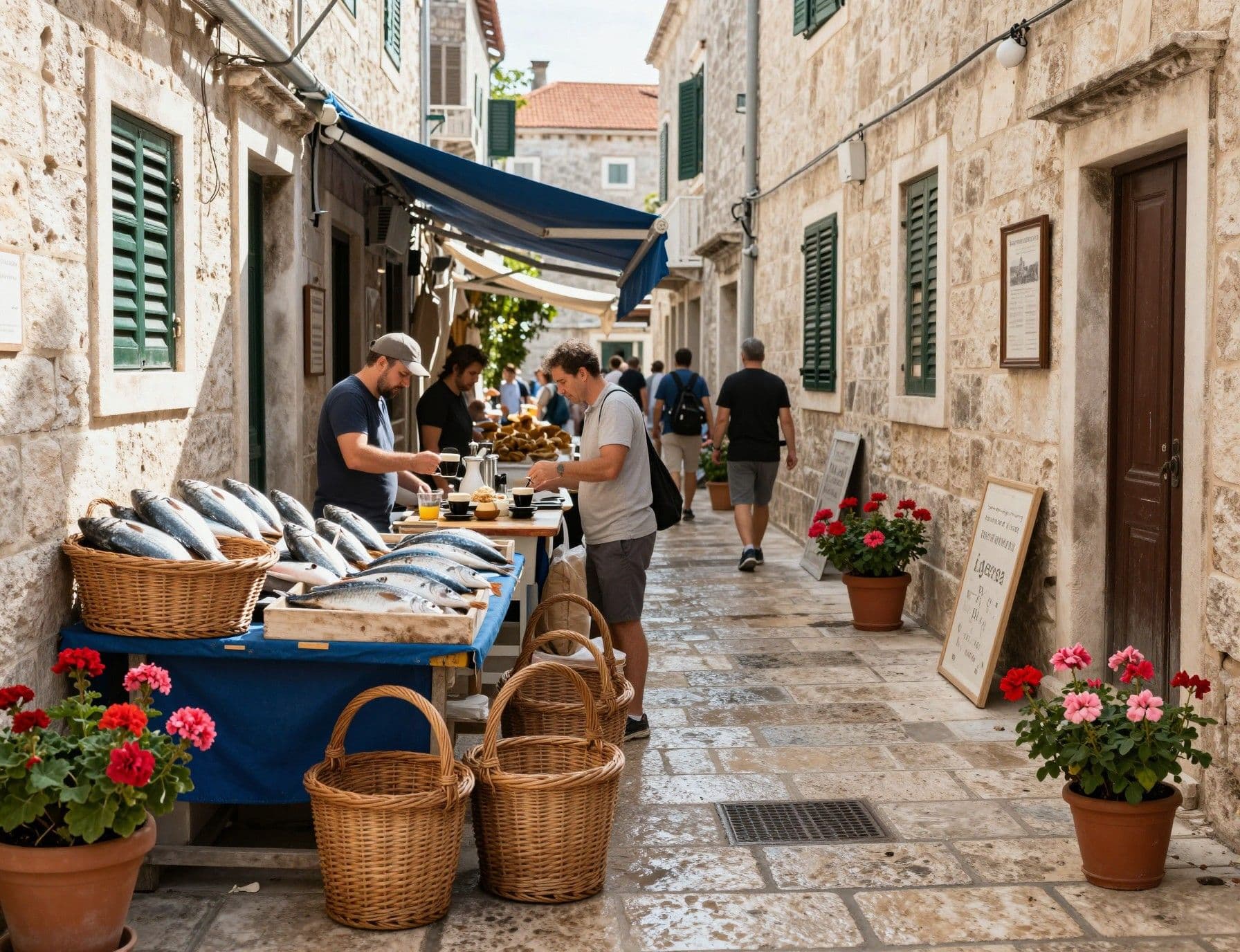
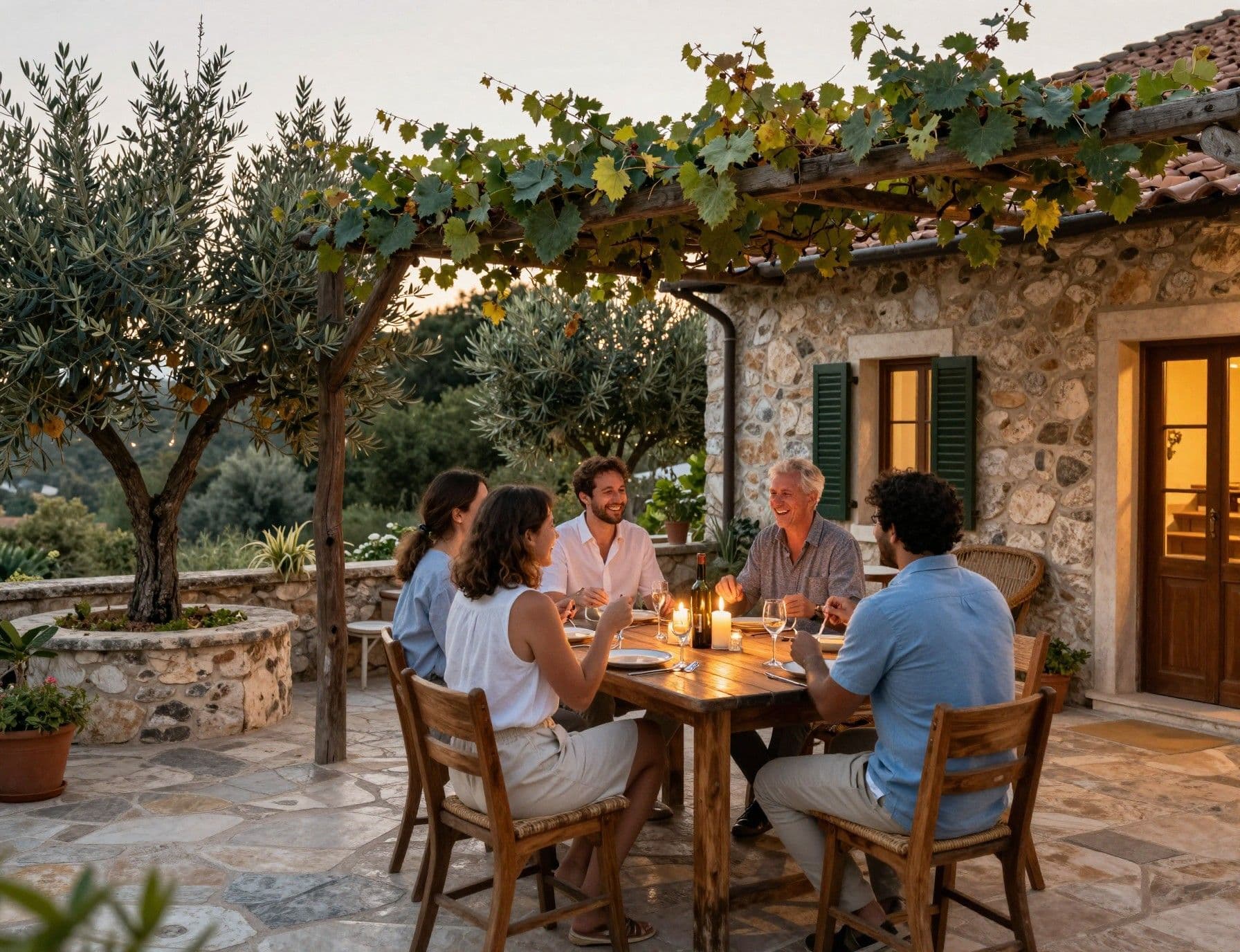
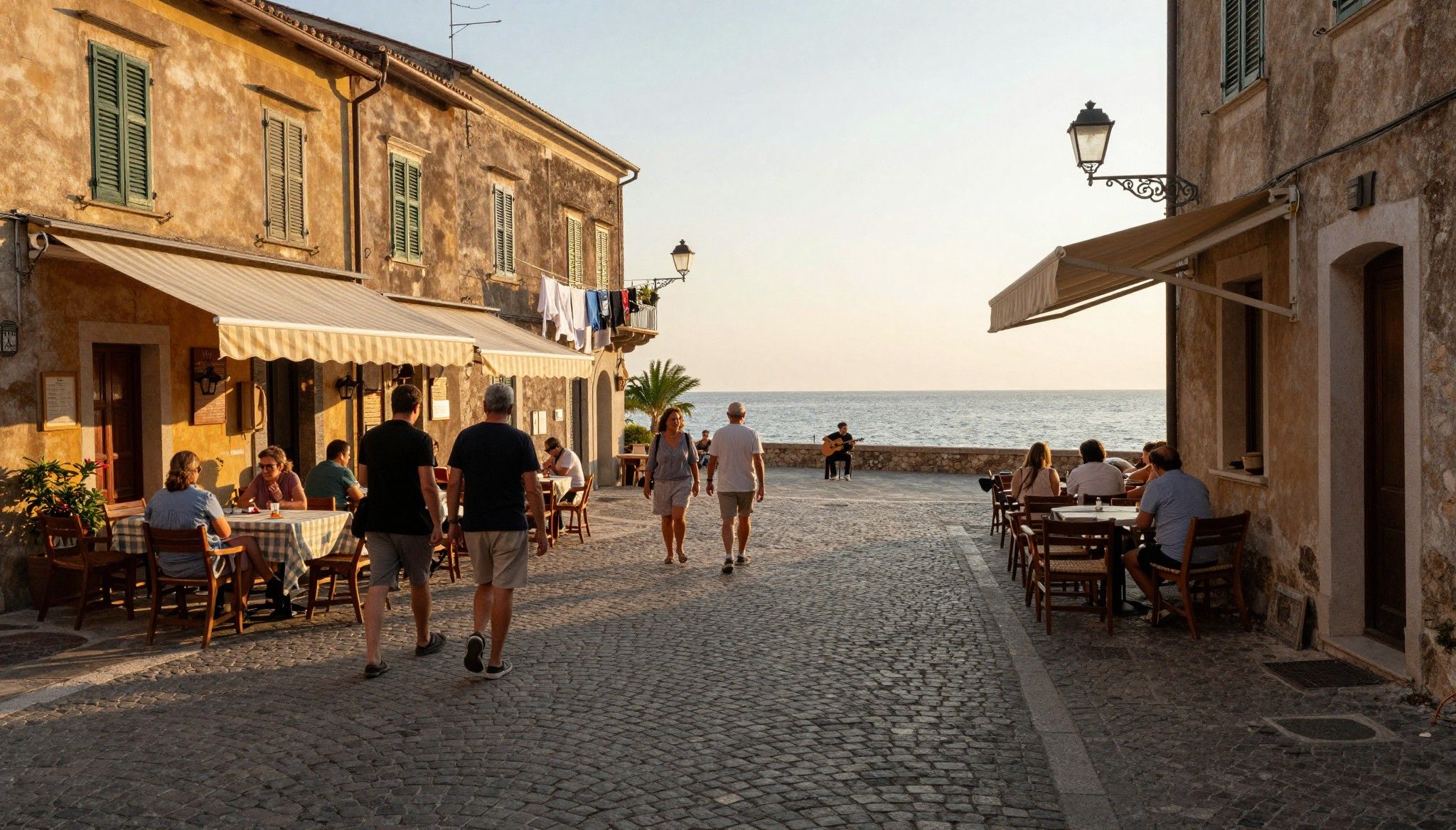
On the Dalmatian coast the day opens with fishermen hauling sardines onto rattan baskets, and closes with long family dinners of grilled fish, olive oil and wine. Neighborhoods such as Split’s Veli Varos or Hvar’s quieter coves are a study in porches, terraces and roofs used like living rooms — and those outdoor spaces are the real currency of coastal life. For eco‑minded buyers, look for homes with mature shade trees, cisterns or easy rainwater capture and terraces oriented to cool summer breezes.
Istria & continental Croatia: farm tables and slow design
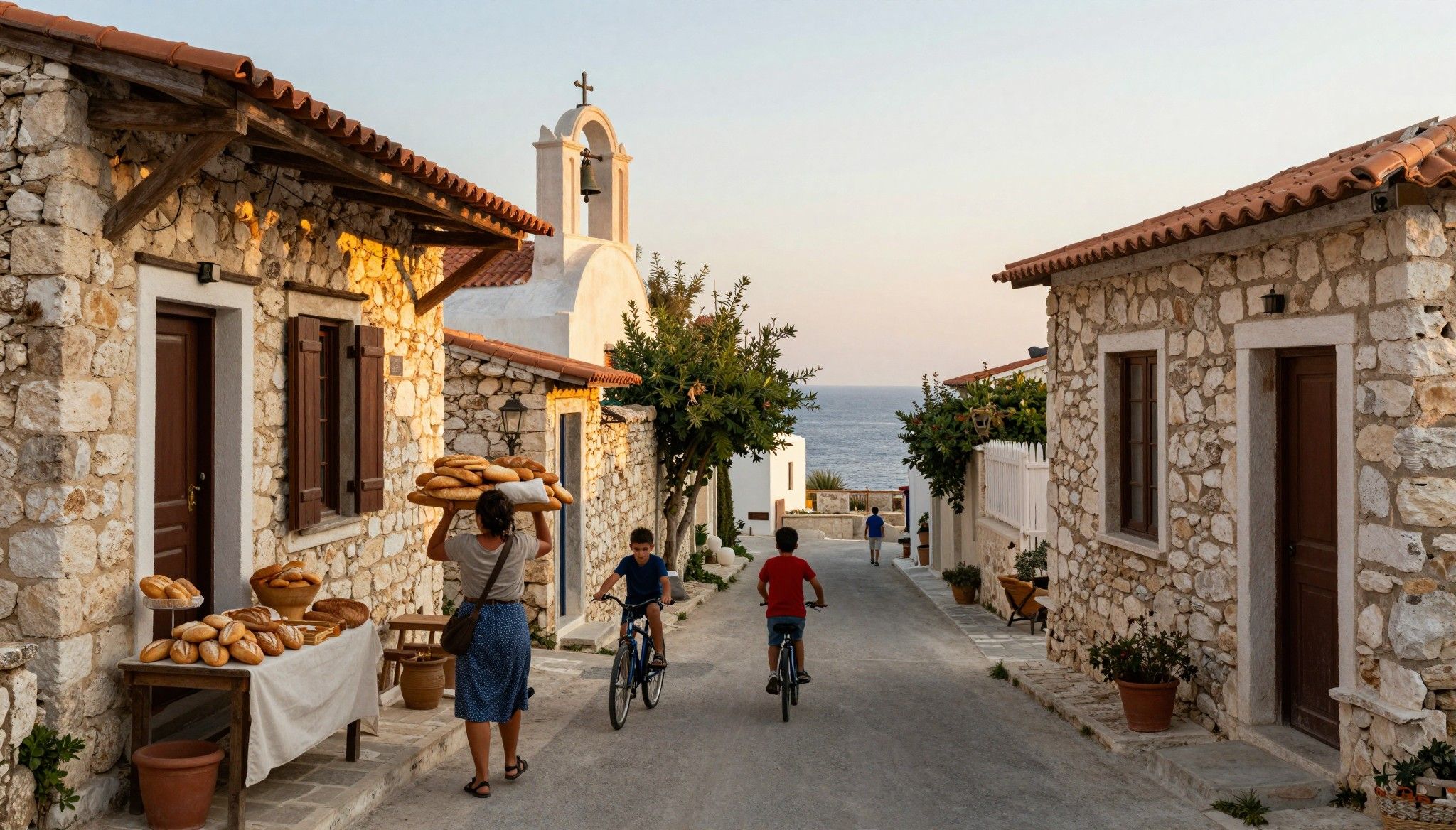
Istria’s stone villages and the Zagorje countryside bring a quieter version of Mediterranean life: foragers at the truffle fairs, family olive presses, and tiled kitchens that smell of baking. Buyers who want a regenerative life often renovate old stone houses using local timber and lime plasters, restoring thick walls that keep homes cool in summer and warm in winter without heavy heating systems.
- Lifestyle highlights to taste and test in person
- Early morning fish market in Split’s Riva; coffee at Kavana Procaffe near the Diocletian complex.
- Sunset aperitivo on Rovinj’s Grisia street, then a short drive to hilltop vineyards in Motovun.
- A weekend at Zrće or Bačvice beach for community life and easy access to wellness activities.
Making the move: how lifestyle meets the market
Headlines about “price surges” can be true and misleading at once. Croatia saw rapid price growth through 2023–24, driven by tourism and limited coastal stock, but recent transaction volumes show cooling and a regional rebalancing. That means lifestyle choices — choosing a village with strong community life or a Zagreb neighborhood with gardens — can offer better value than chasing postcard seafront views. Use market data as context, then measure property potential by the life you want to build in it.
Property types and what they actually give you
Stone village houses reward time and craft — think thick walls, small windows, and opportunity for passive solar improvements. Modern coastal apartments sell convenience and views but often come with maintenance and tourism‑season rhythms. New builds in Zagreb or Rijeka deliver insulation, photovoltaics readiness and easier permits for green tech. Match building type to rhythm: choose a stone house if you love slow restoration; choose a new build if you want plug‑and‑play energy efficiency.
Working with local experts who know seasons and stewardship
A local agency that lives seasonality — the way wind funnels along a channel, how August tourism alters traffic, where municipal water has summer limits — will protect your lifestyle plan. Look for agents who can introduce you to local craftsmen, help assess microclimate for gardens, and who understand Croatian building norms and energy incentives. They become your translators of place, not just transaction facilitators.
- Steps to find a sustainable lifestyle property in Croatia
- Visit in at least two seasons (shoulder and summer) to feel community rhythms and test climate comfort.
- Prioritise orientation, thermal mass (stone walls), and roof condition if you aim to retrofit passive systems.
- Ask agents for energy bills, water permits and short‑term rental histories — these reveal real running costs and community impacts.
- Work with a local architect who uses traditional materials and modern efficiency: lime plasters, reclaimed timber, and discreet PV.
Insider knowledge: what expats wish they'd known
Honest voices from expat forums and local agents repeat the same themes: language helps, but curiosity helps more; the small garden you thought cosmetic becomes your pantry; and coastal postcard properties often come with maintenance rhythms and seasonal noise that surprise buyers. Recent national data shows foreign purchases have slowed, creating pockets of opportunity away from beaten coastal corridors — where price, community and green potential align.
Cultural rhythms that shape neighborly life
Sundays are for family meals, local festivals bring neighborhoods alive in summer, and good neighbors are often the true maintenance crew. Learning a few phrases of Croatian — greeting with Dobar dan, thanking with Hvala — opens doors. Expect slower administrative timelines and value patient relationships; a good local notary and a well‑connected agent will save time and stress.
Longer view: how your life (and value) can evolve here
Croatia’s EU membership, improving infrastructure and a growing attention to renewables point to long‑term resilience. If you buy with stewardship — invest in local biodiversity, waterwise gardens and energy upgrades — you often protect both lifestyle and resale value. Thoughtful retrofits and community engagement turn a property into a home that earns goodwill and, over time, measurable savings.
- Practical red flags to spot on a viewing
- Persistent damp or hidden rot (common in older stone roofs without breathable finishes).
- Unclear water rights or lack of cistern capacity in areas with summer water limits.
- Excessive reliance on short‑term rental income assumptions — community resistance and new regulations can shift returns.
Conclusion: fall in love, then build with care. Croatia offers a life shaped by sea, stone and seasonal rituals; it rewards buyers who look beyond the snapshot image to the rhythms of markets, neighbors and nature. Start with a season‑spanning visit, hire an agent who understands stewardship, and prioritise homes that already speak the language of place — shade trees, thick walls, and a garden that can feed you. When lifestyle leads the search, the right property will follow.
Moss & HearthDutch property strategist who helped 200+ families find sustainable homes in southern Europe; expert in legal pathways and long-term stewardship.
Related Articles
More insights that might interest you
 Villa Curated
 Villa Curated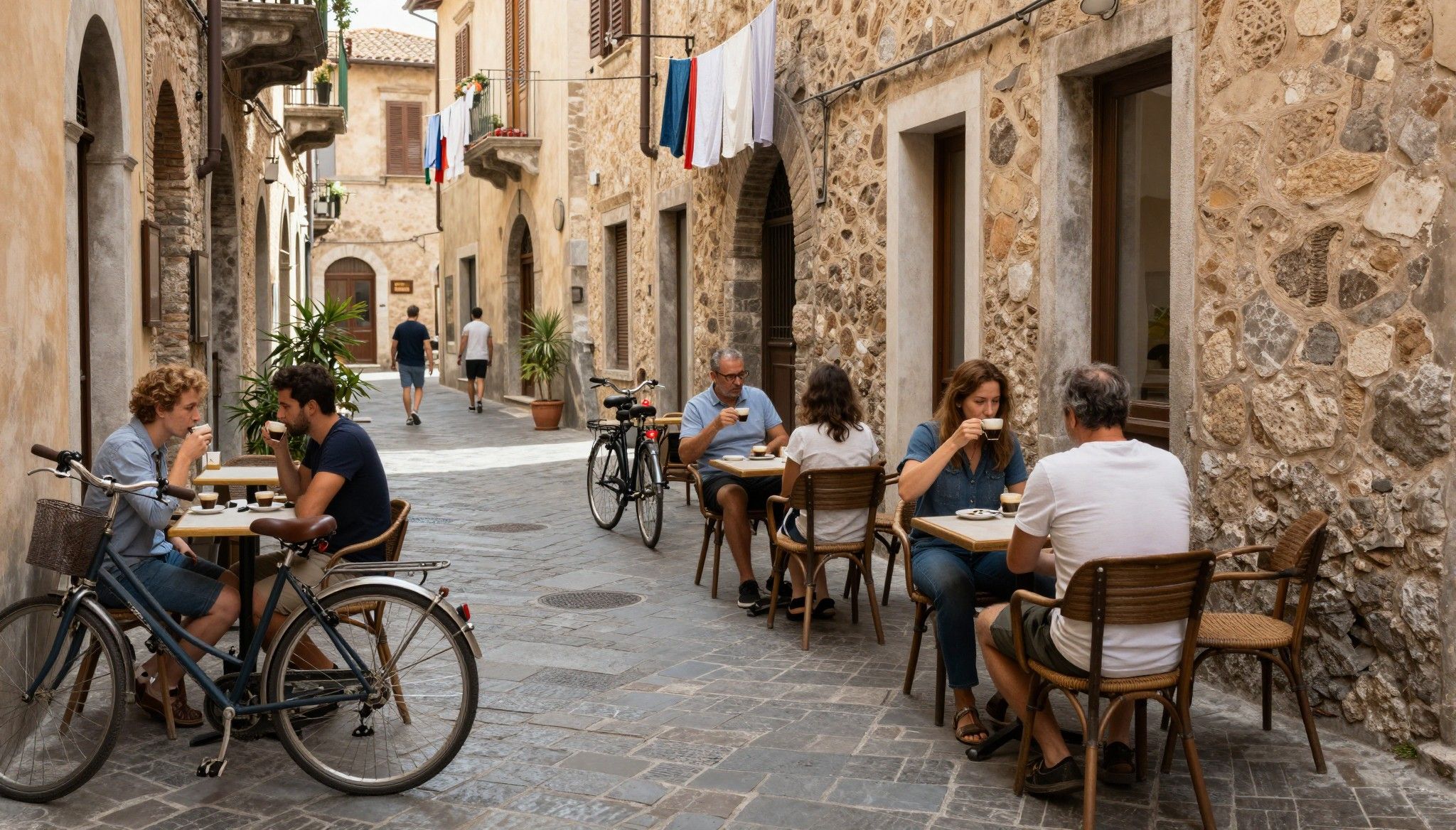
 The Yieldist

