Greece: Which Infrastructure Actually Prices Property
Why Greece’s lifestyle sells — and which transport and infrastructure signals actually sustain rental yield and capital growth for international buyers.
 The Yieldist
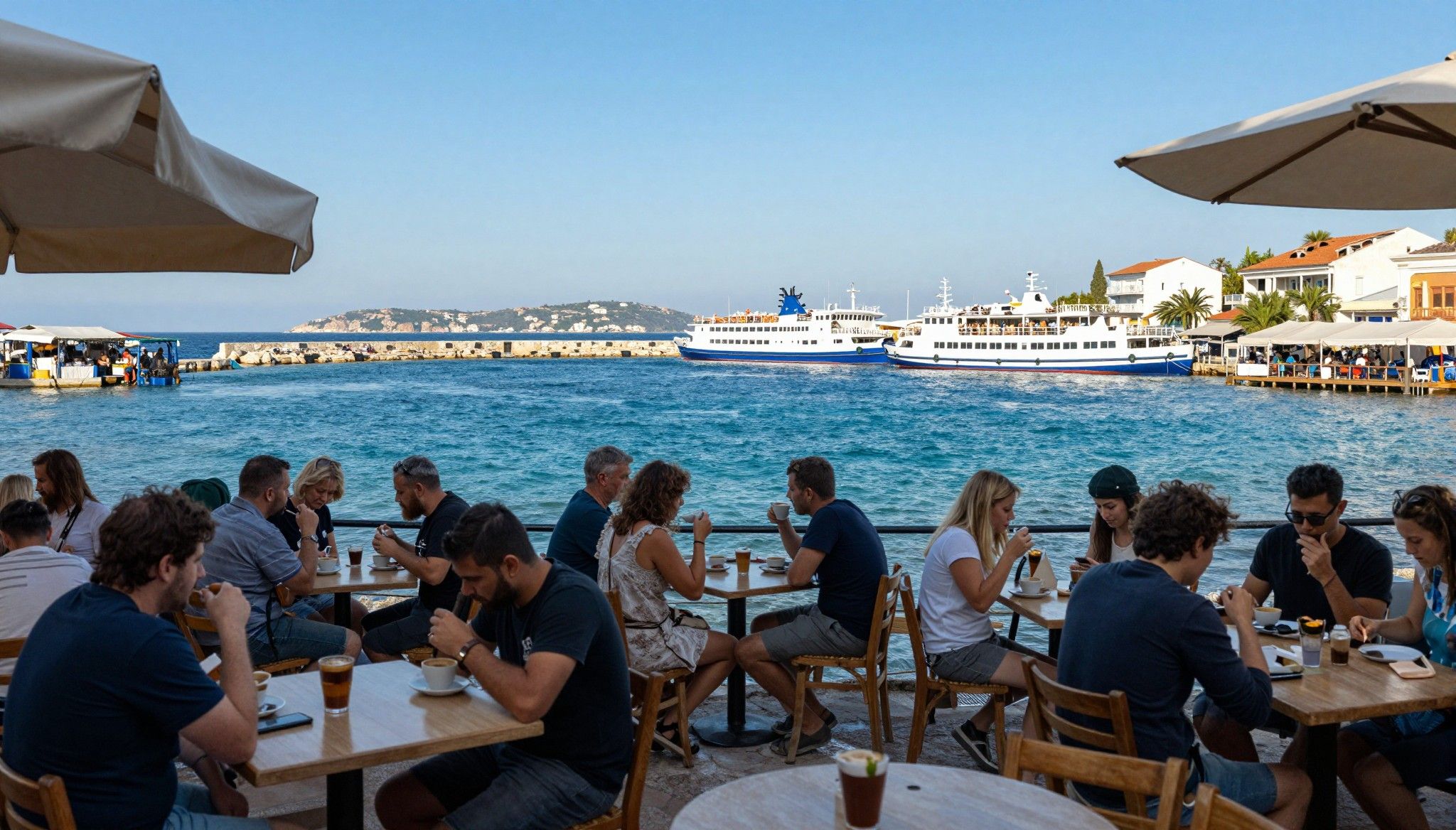
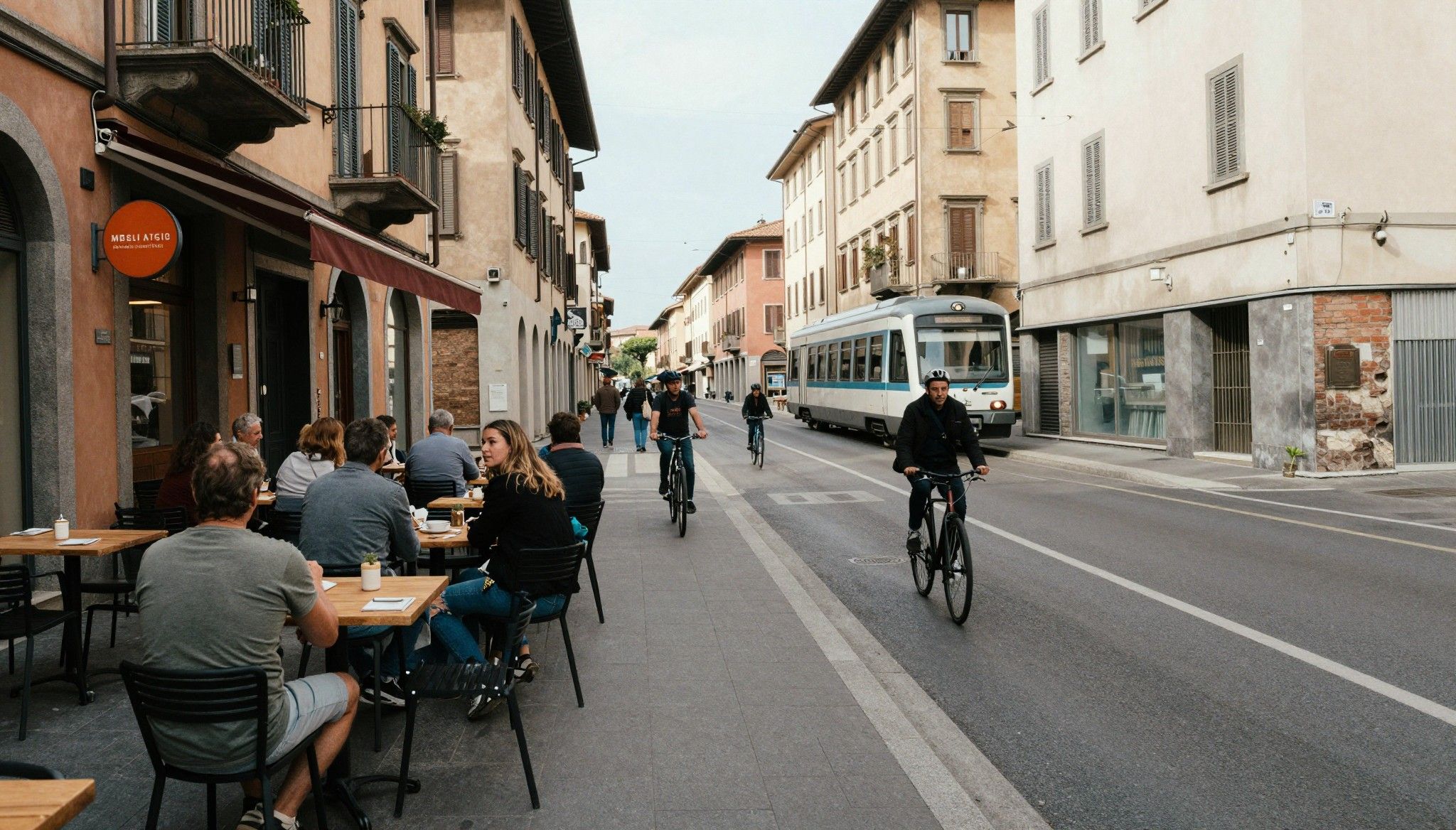
Imagine stepping out at 08:00 to buy a flaky bougatsa in Koukaki, then catching a tram that drops you at the foot of the Acropolis in fifteen minutes. Morning light pools on limestone pavements, neighbourhood cafes hum with students and remote workers, and ferries whistle in the harbour as island life feels only a short train-and-boat hop away. Greece sells itself with sensory ease — sea salt, late-night tavernas, and a rhythm of life that privileges sunlight and sociability — but infrastructure and connectivity are what turn that dream into repeatable rental demand and dependable capital appreciation.
Living the Greece lifestyle — streets, seasons and signals
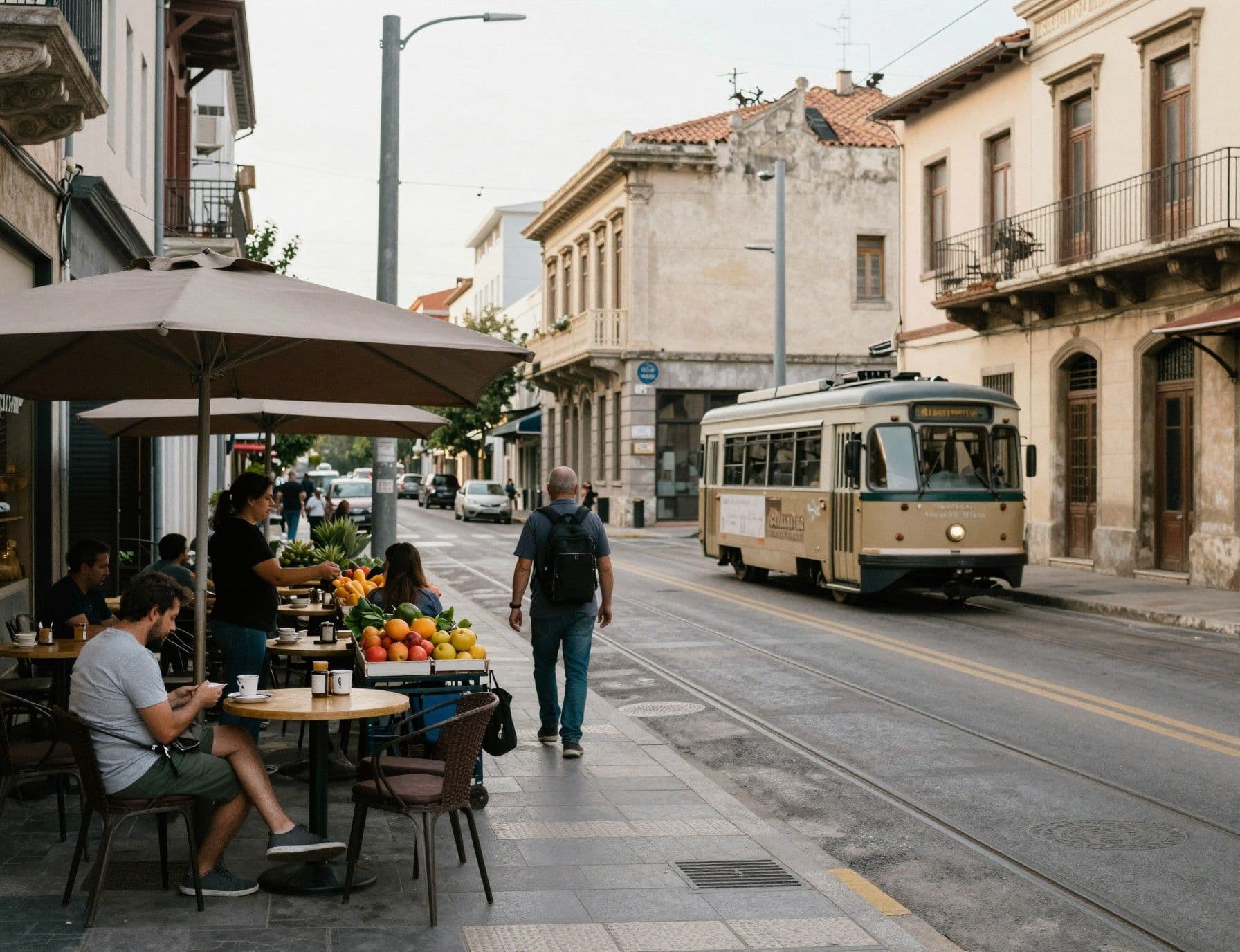
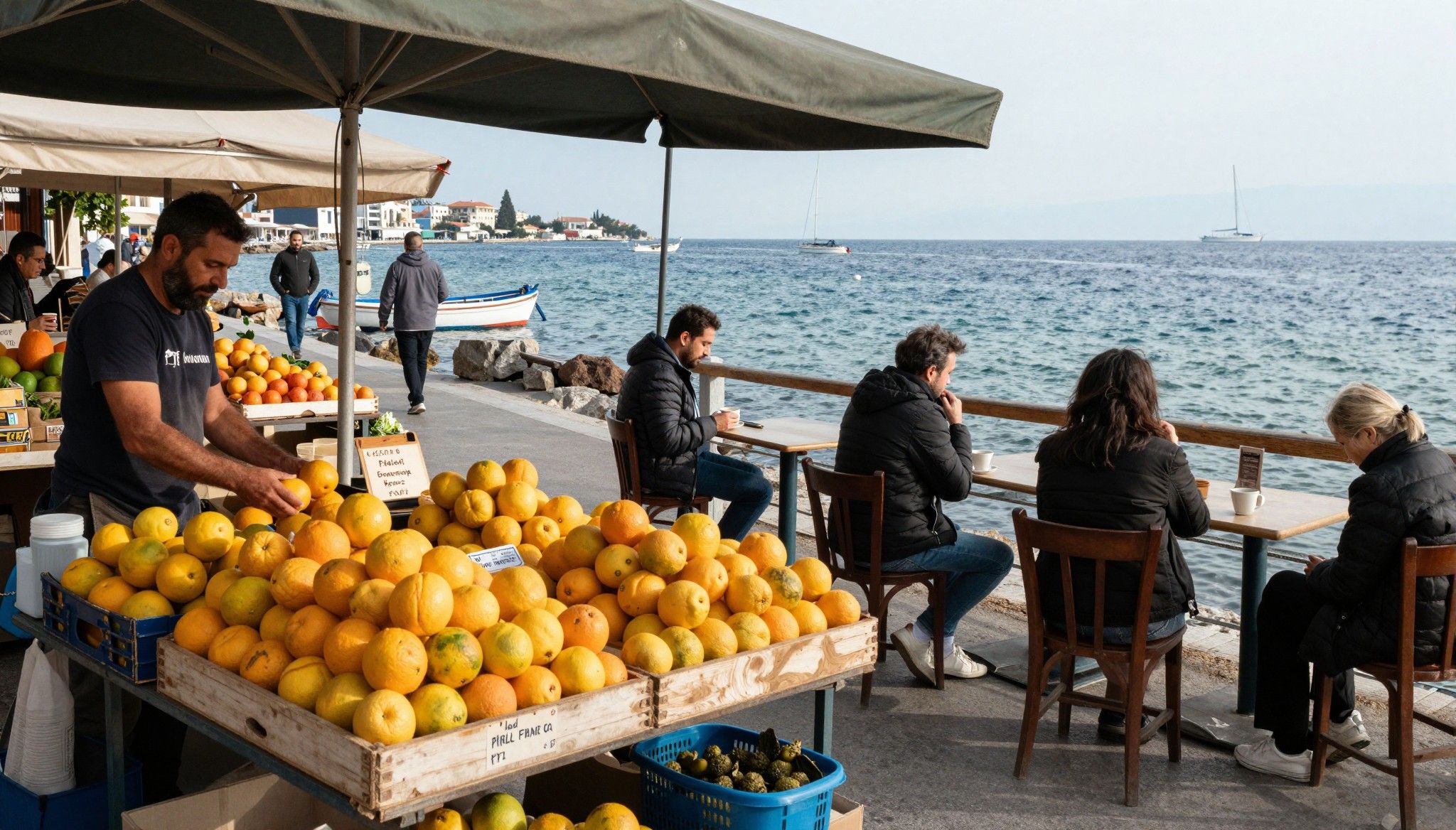
Daily life in Greece blends classical town planning with modern commuting. In Athens you’ll find tree-lined boulevards, markets that open before dawn, and neighbourhood pockets—Koukaki, Pangrati, Nea Smyrni—where locals still buy fresh fish and greet shopkeepers by name. On the islands, mornings mean fishermen hauling nets and afternoons mean quiet beaches; off-season that quiet becomes the major selling point for longer-stay tenants who value calm and affordability.
Urban pockets: Athens, Piraeus, Thessaloniki
Athens offers dense walkable neighbourhoods with short-term tourist appeal and long-term rental pools driven by students and professionals. Piraeus, historically a working port, now mixes logistics workers with new residential demand thanks to port investment and urban regeneration projects. Thessaloniki combines a compact historic centre with a growing tech and university scene, making it a cheaper alternative to Athens with improving transport links that support sustained rental demand.
Food, markets and everyday sociability
Seasonal markets, neighbourhood tavernas and kafeneia shape where people want to live. Pick neighbourhoods near weekly markets — Varvakios in central Athens or Modiano in Thessaloniki — and you inherit footfall that supports small retail and short to medium-term rental demand. For buyers this means proximity to local commerce matters as much as sea views; it underpins stable occupancy and a broader tenant pool beyond holiday lets.
- Lifestyle highlights to weigh when choosing a neighbourhood
- Koukaki (Athens): close to the Acropolis, strong café culture, high short‑let demand in summer
- Piraeus Centre: logistic employment, improving amenities, yields less seasonal than islands
- Thessaloniki Old Town: universities and local commerce drive longer‑term rentals year‑round
Making the move: infrastructure that actually prices Greek property
Infrastructure in Greece is not just asphalt and tracks; it’s policy, ports, and metro lines that redirect tenant flows and reprice neighborhoods. Recent moves—municipal temporary bans on new short‑let registrations in central Athens districts—show how regulation and transport together reallocate demand. Investors who track transport electrification, metro extensions, port logistics and planning consent gain clarity on where yields will hold versus where postcard charm inflates prices without structural support.
Major projects changing the map
The Hellinikon redevelopment, phased metro extensions in Athens, and continued investment in Piraeus port have concrete market effects. Bank of Greece and market reports document price rises in districts tied to these projects; for example, suburbs served by new tram and metro extensions show stronger price growth and lower seasonal vacancy. For investors this is measurable: proximity to high‑capacity public transport often correlates with 0.5–1.5 percentage points higher rental yields when adjusted for size and finish.
How connectivity changes tenant mixes
Better transport widens tenant pools: reliable ferries and fast regional buses attract medium‑term tenants and remote workers who value island life plus a dependable link to services. Improved port logistics in Piraeus sustain a sizeable resident workforce and year‑round rental demand, which reduces vacancy risk compared with purely tourism‑driven islands. Practically, buy within a 10–20 minute walk of high‑frequency transport and you reduce dependency on seasonal tourist peaks.
- Steps to align lifestyle targets with infrastructure realities
- Map commute times: measure door‑to‑door to nearest metro, ferry or major bus line and stress‑test those times for winter schedules
- Check municipal plans: confirm timelines for projects like tram/metro extensions or the Hellinikon phases — delays change yield projections
- Ask agencies for tenant profiling: demand composition (students, locals, logistics workers, digital nomads) matters more than headline occupancy rates
Insider knowledge: what expats wish they'd known before buying
Expats often romanticise islands and central Athens but underestimate off‑season realities and local bureaucracy. Many discover that being close to infrastructure and daily services — a reliable clinic, a supermarket open year‑round, and regular public transport — matters more for long‑term comfort and resale than an uninterrupted view. Successful buyers balance sensory appeal with hard connectivity: it keeps rental cashflow steady and exit options open.
Cultural nuances that affect occupancy
Greek tenancy tends toward flexibility; many landlords prefer seasonal or fixed‑term agreements rather than open contracts. Language barriers and local negotiation styles can slow paperwork — hire local legal counsel and an accountant familiar with Greek withholding and VAT regimes. On the ground, friendly neighbours, a cooperative building manager, and easy access to city services cut tenant turnover more than a staged interior ever will.
Long‑term view: where lifestyle sustains value
Areas with year‑round services, good transport and mixed tenant bases — university districts, port suburbs, and commuter towns within the Attica radius — tend to hold value through cycles. Islands with reliable winter populations (e.g., Crete, parts of Corfu) offer a middle ground between Athens’ liquidity and small‑island seasonality. For investors, this translates to lower vacancy risk and steadier net yields over five‑ to ten‑year horizons.
- Red flags that undermine lifestyle claims (check these before you buy)
- Single‑access roads without year‑round public transport
- Properties marketed as 'on the map' but >40 minutes from medical services
- Reliance on short‑lets in areas where regulation is tightening (check municipal ordinances)
- Practical checklist for international buyers focused on lifestyle and connectivity
- Engage a bilingual local agent with transport and planning knowledge; ask for a commuting map and tenant profiles
- Request recent municipal minutes or local planning documents that confirm timelines for infrastructure projects
- Validate historical rental performance (12–36 months) rather than peak summer months alone
Conclusion: buy the lifestyle you can reliably service. The romance of sea and sun is Greece’s headline, but the durable investment lies where culture meets connectivity — a tram stop, a ferry with winter schedules, a port that employs residents year‑round. Work with local experts who measure commutes, verify municipal timelines, and stress‑test demand through winter months. Do that and you buy more than a view: you buy sustainable cashflow and a lifestyle that endures beyond high season.
The YieldistDanish relocation specialist who moved to Cyprus in 2018, helping Nordic clients diversify with rental yields and residency considerations.
Related Articles
More insights that might interest you
 Villa Curated
 The Yieldist
 The Yieldist


