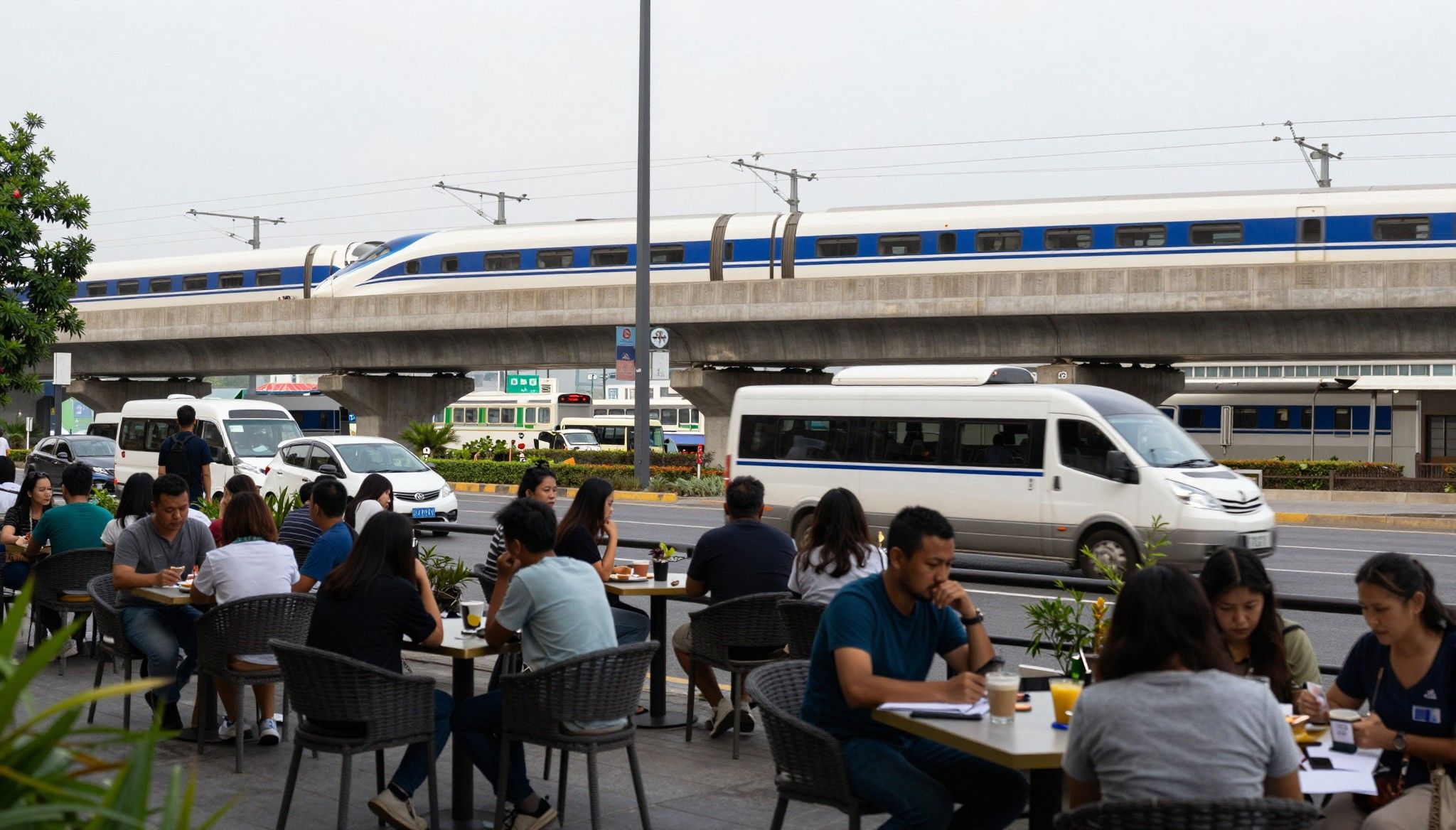
Skip the Piazza: Connectivity Trumps Charm in Italy
Italy’s lifestyle seduces — but yield follows connectivity. Prioritise transport, airports and fibre to turn romance into steady returns.
 The Yieldist
Imagine sipping a morning espresso on a narrow Roman street, then catching a four‑hour high‑speed train to Milan for a late meeting — Italy compresses lifestyle and connectivity in ways few countries do. But the neighbourhood that gives you that postcard moment isn’t always where the best returns live; increasingly, transport links, airports and digital infrastructure reprice market opportunity faster than charm.
Living the Italy lifestyle — more than piazzas and coastlines
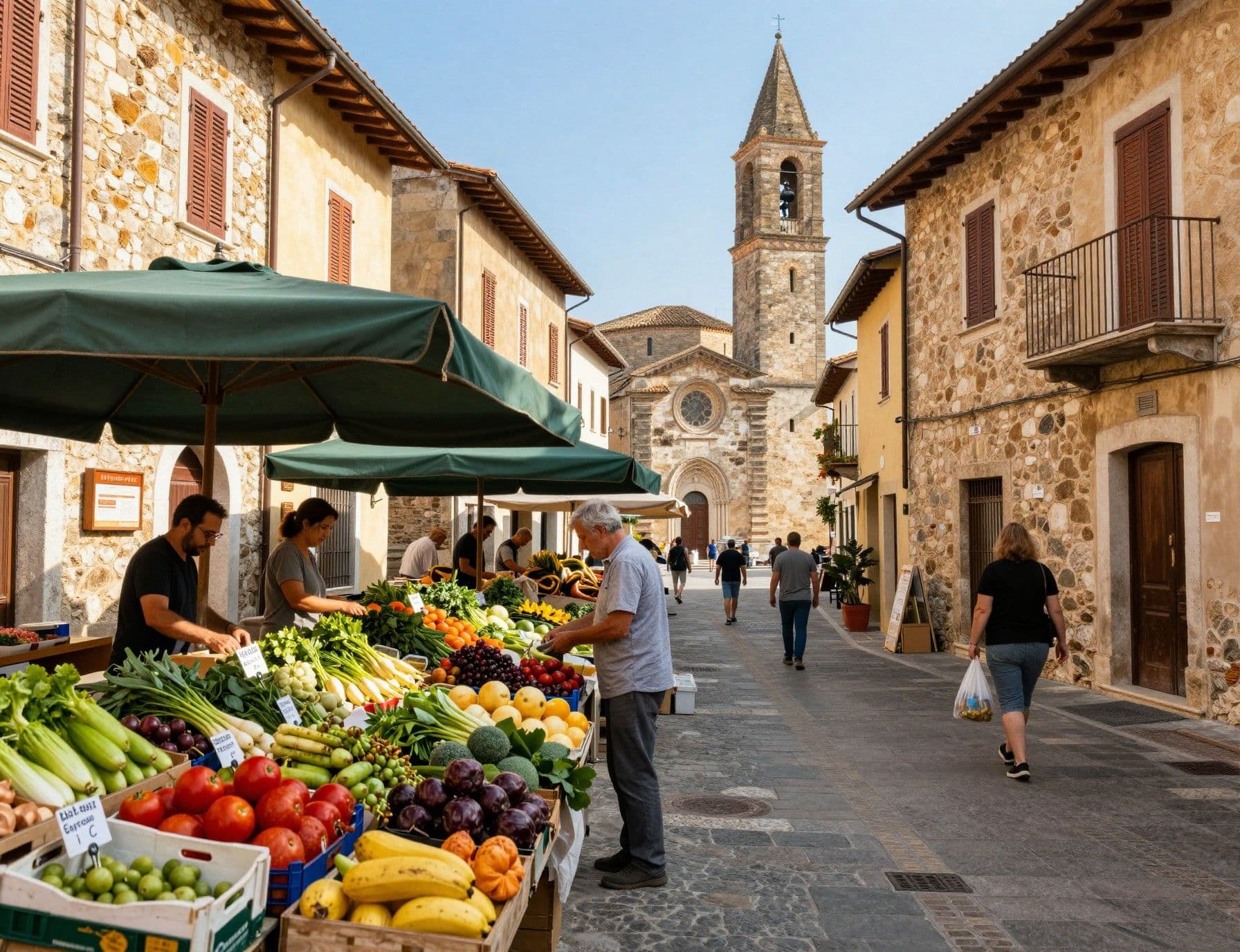
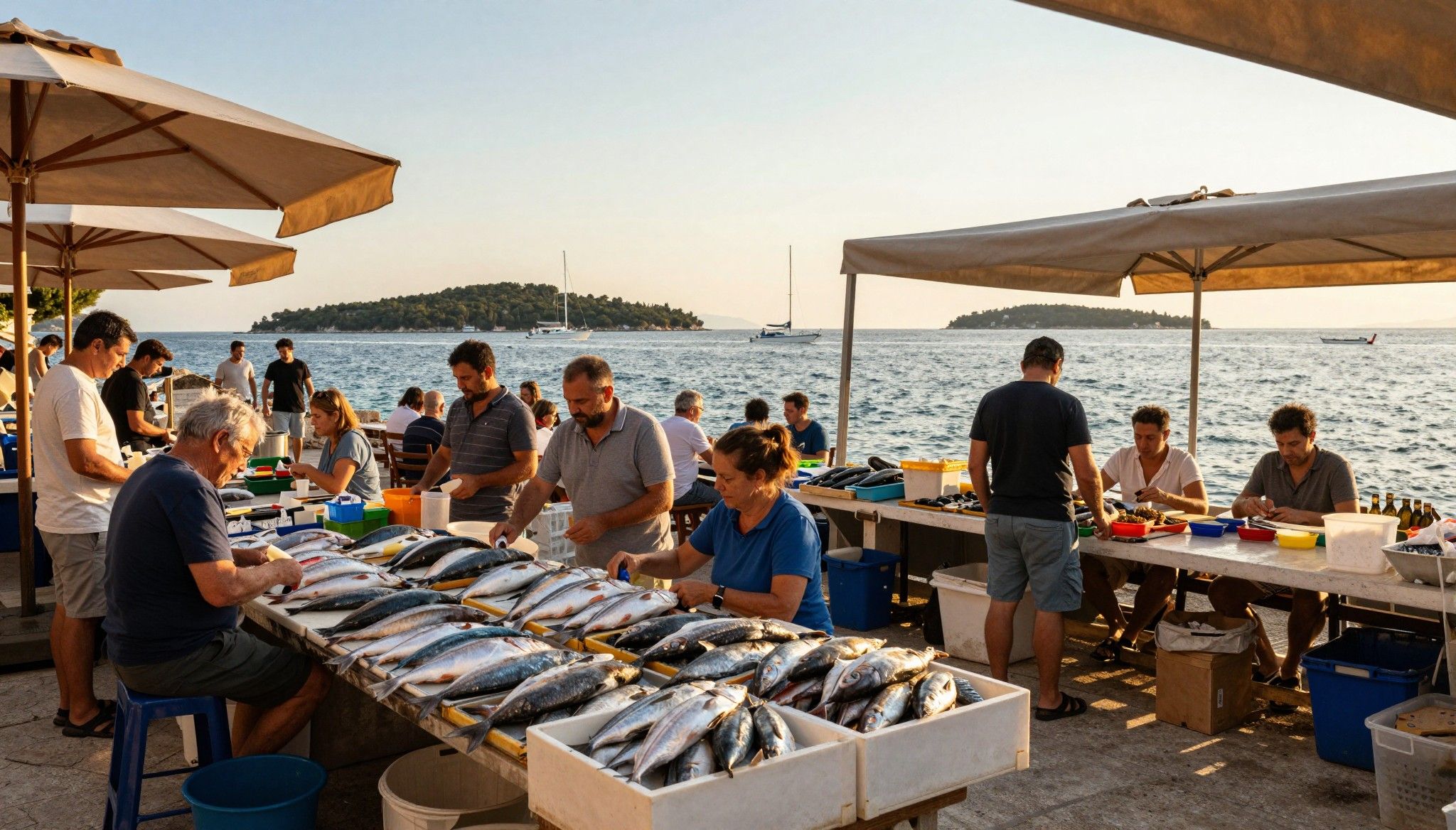
Italy’s daily rhythm is tactile: market stalls at dawn, a long lunch in summer, neighbourhood bars where names are learned quickly. That texture is what draws buyers. Yet where people live and where capital performs are diverging — prices rose about 2.8% year‑on‑year through Q3 2024 while demand patterns shifted toward better‑connected towns and secondary cities. Proximity to rail, airports and fibre now shapes buyer preference and rental demand as much as scenery. (ISTAT, Nomisma).
City centres vs. commuter belts: the real tradeoff
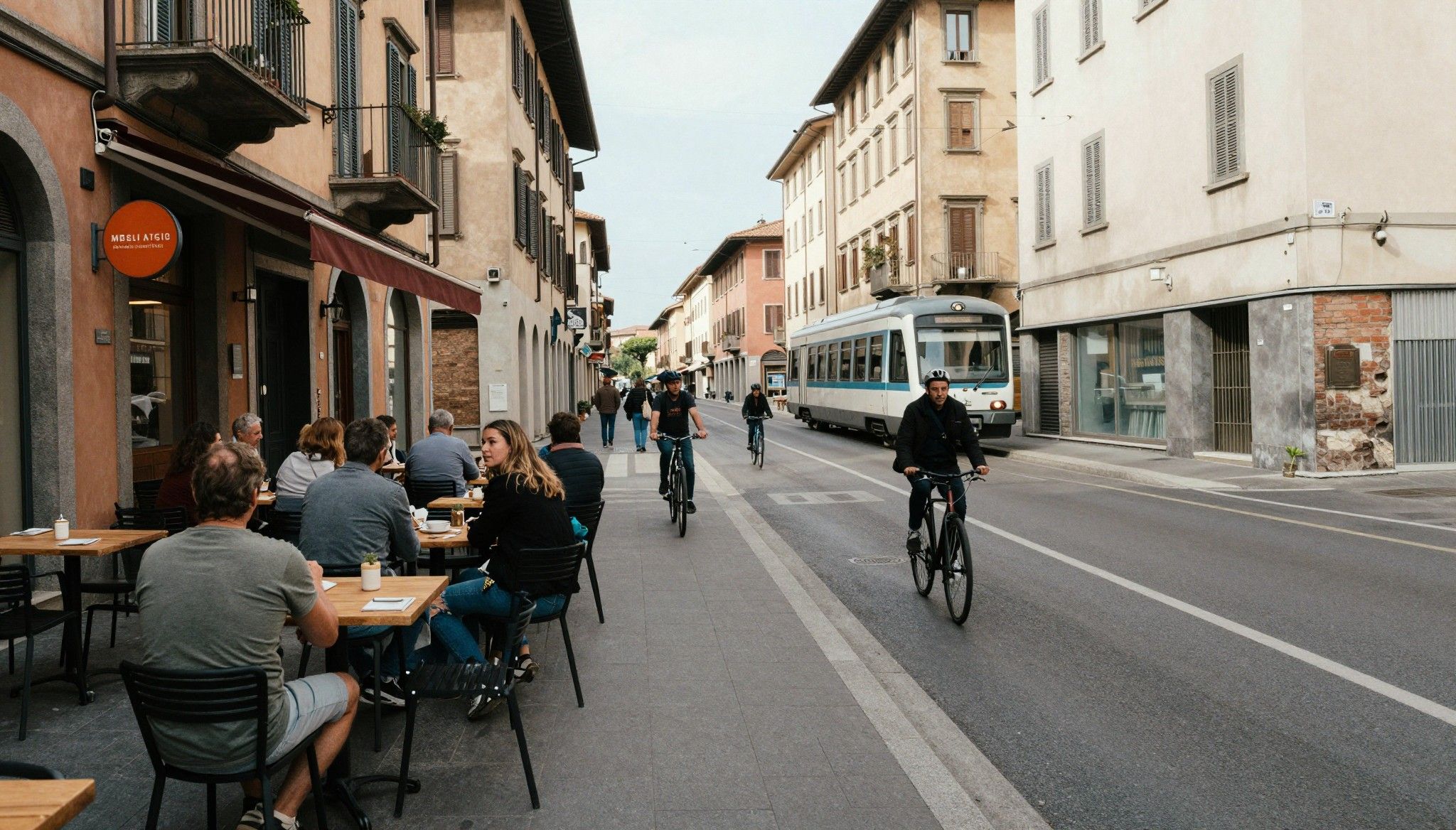
A historic centre apartment gives cultural immersion and short‑term rental appeal, but commuter‑belt towns (Monza, Bergamo, Mestre) increasingly capture stable long‑let markets because they balance lower price per sqm with daily access to jobs. For many international buyers seeking yield, the commuter belt offers a predictable tenant pool rather than seasonal peaks.
Coastline living — seasonal beauty, year‑round caveats
Places like Amalfi, Cinque Terre or coastal Puglia deliver instant lifestyle. Yet seasonality compresses effective annual occupancy and can require higher property management costs. If you prize lifestyle but want investment resilience, prioritise towns with year‑round transport links and local services over pure postcard appeal.
- Lifestyle highlights worth mapping to infrastructure
- Piazza Navona espresso and evening passeggiata (Rome)
- Evening aperitivo on Navigli and quick rail to Malpensa (Milan)
- Weekend vineyards and shorter commutes from Siena and Arezzo
Making the move: infrastructure that changes value
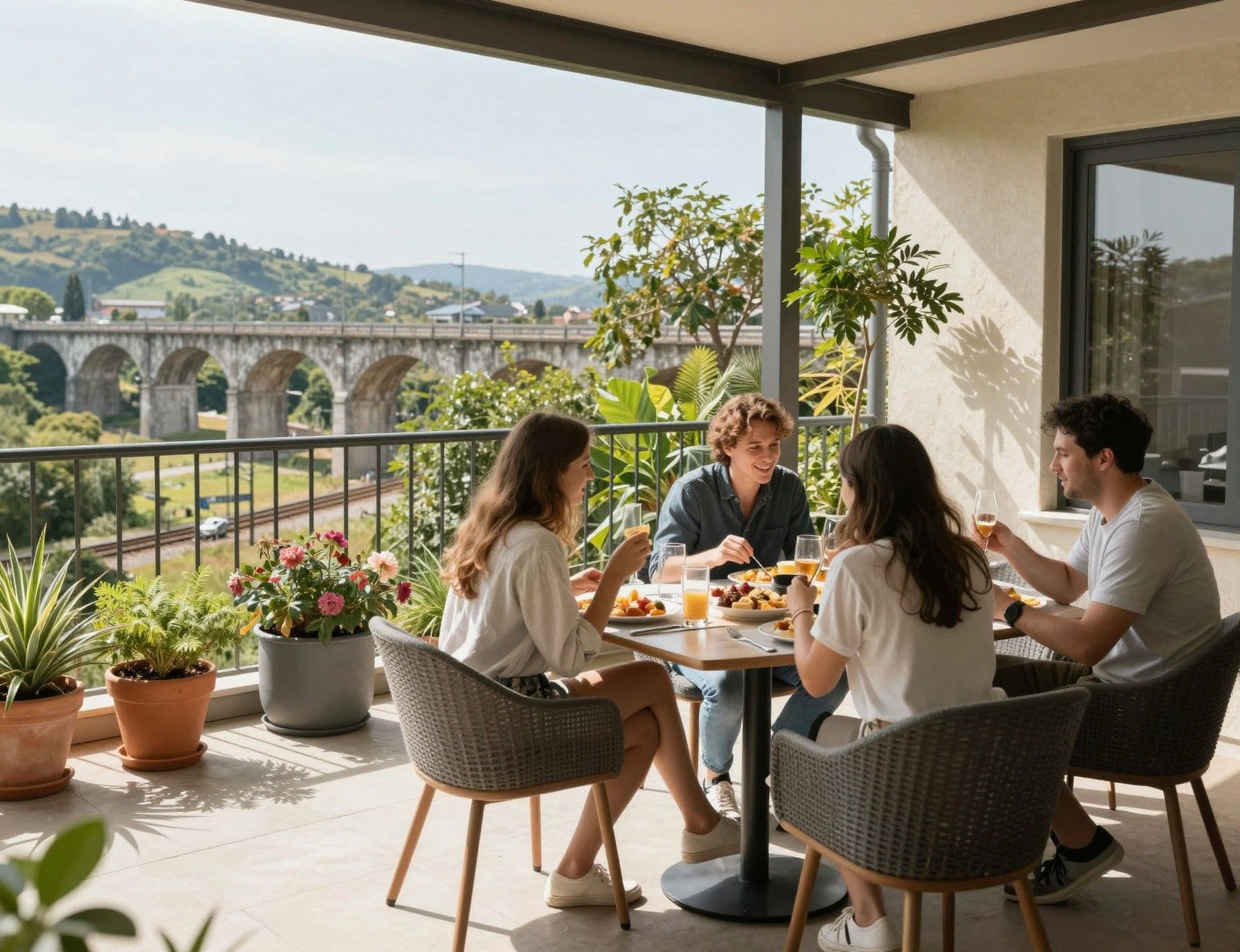
Transport — fast trains and busy airports — are active multipliers of rental demand and capital growth. The Frecciarossa network stitches north and south and turns a three‑hour journey into a viable daily commute for some. Rome Fiumicino and Milan Malpensa handled tens of millions of passengers in recent years, keeping international demand strong for accessible nodes.
Property types tied to connectivity
New builds near transport hubs typically support higher long‑let yields because modern finishes and energy efficiency attract professional tenants. Historic apartments near stations can command premium short‑let rates but may suffer vacancy outside season. Match the property type to whether you prioritise long‑term rental income or short‑term lifestyle monetisation.
Working with local experts who know the network
A local agency that maps transport timetables, airport catchment and fibre roll‑out into a cash‑flow model will save you costly mistakes. Ask for comparable rents within a 30‑ and 60‑minute commute band and for evidence of tenant demand by month. Agencies should provide tenancy turnover rates and recent yield calculations, not only glossy photos.
- Checklist: blend of lifestyle and practical for site selection
- Estimate net yield using local rent comps and include management & seasonality costs.
- Measure commute times to regional economic centres (train + last‑mile) rather than straight‑line distance.
- Confirm airport connectivity for international tenant demand and short‑let seasonality risks.
- Verify digital infrastructure (fixed broadband/fibre) for remote workers and longer stays.
Insider knowledge: what expats wish they'd known
Expats often tell the same story: they fell in love with a piazza, bought there, then discovered high running costs, weak off‑season rental demand and poor transport links. Savvy buyers pivot from romance to network: a short, reliable rail connection to a hub and a local market of year‑round renters usually equals steadier returns than the prettiest street.
Cultural integration, language and daily life
Learning Italian accelerates integration and tenant screening; local relationships are the currency of maintenance and letting. Neighborhood life is social — baristas and building concierges can be your best property managers. Factor in time for acclimatisation: three to six months before you have a reliable network on the ground.
Long‑term lifestyle and value drivers
Invest where infrastructure upgrades are planned or recent — airport expansions, increased international routes, new high‑speed stops and fiber roll‑out all reprice value over 3–7 years. Track public investment plans and regional mobility projects: these are often earlier, clearer signals of future demand than tourist ratings.
- Red flags to watch for
- No nearby year‑round employer base (leads to seasonal tenants)
- Poor last‑mile connections from major transport nodes
- Uncertain broadband/fibre availability for remote workers
- High property taxes or maintenance costs unaccounted for in yield
Conclusion: fall in love with the life, invest in the network. Use lifestyle to choose the region; use connectivity and hard data to choose the street. Ask agents for transport‑adjusted comps, seasonality stress tests and documented tenant pipelines. If you want the postcard life with reliable returns, prioritise towns where infrastructure turns lifestyle into stable cash flow.
The YieldistNorwegian market analyst who relocated from Oslo to Mallorca in 2016, guiding Northern buyers through regulatory risk, currency hedging, and rentability.
Related Articles
More insights that might interest you
 Villa Curated
 Villa Curated
 The Yieldist


