Why Malta’s 'Expensive' Label Masks Green Value
Malta’s rising prices tell one story; the island’s small-scale, retrofit-friendly lifestyle tells another—find green value in backstreets, courtyards and village rhythms.
 Moss & Hearth
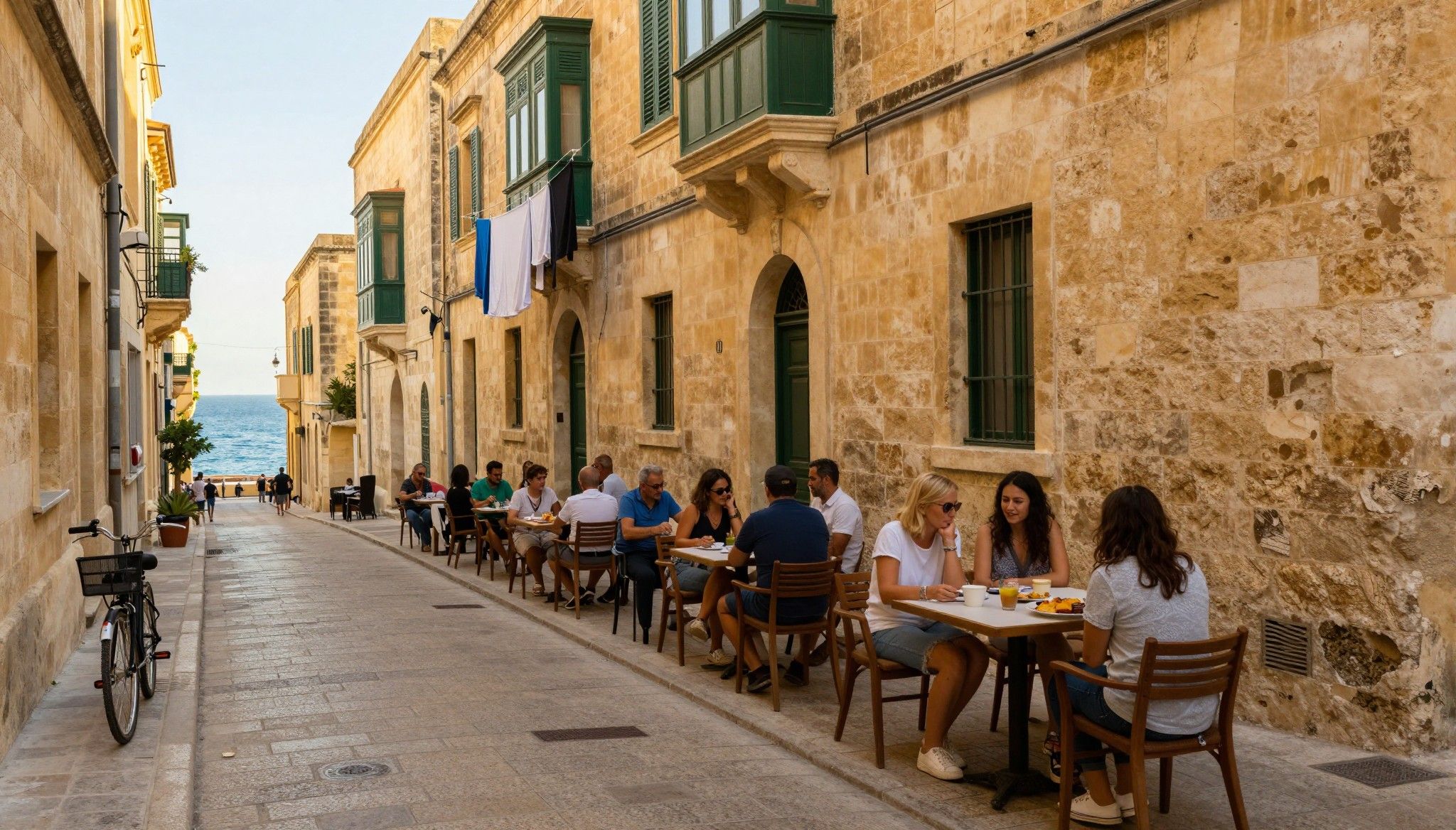
Imagine morning light pooling on ochre limestone, a neighbour’s dog padding past a small bakery on Triq ir-Repubblika, and the sea breeze carrying the salt-and-herb scent of a nearby fisherman's lunch. Malta feels intimate: a chain of islands where streets are stages for everyday rituals, and stone houses hold layered histories. For international buyers who care about green living and small-scale community, this compactness is part of the appeal — but the headlines about rising prices don’t tell the whole story.
Living the Malta lifestyle
Malta’s daily rhythm is a sunlit choreography of espresso stops, market runs, and evening passeggiatas along promenades. In Sliema and St Julian’s you’ll meet open-air cafes and fast ferries; in Valletta, narrow lanes reveal hidden courtyards and second‑hand bookshops; in the island villages of Gozo and Mellieħa life has a slower cadence, where sea and field meet stone. English is widely spoken, so integration feels practical, but the deeper rewards come from learning local customs—market haggling in Marsaxlokk, lending a hand at a festa table, or tending a balcony herb patch.
Neighborhood spotlight: Valletta’s backstreets and the Manderaggio
Valletta’s main boulevards are postcard-perfect, but real life lives in its backstreets—stone stairways, small workshops, and family-run cafés where the roast is always on. The Manderaggio, tucked behind the fortifications, is a study in human-scale living: narrow lanes, communal terraces, and neighbours who still borrow sugar. These pockets often offer better value and richer community ties than waterfront penthouses; they are perfect for buyers who want a home alive with daily customs rather than a polished showpiece.
Food, markets and seasonal rituals
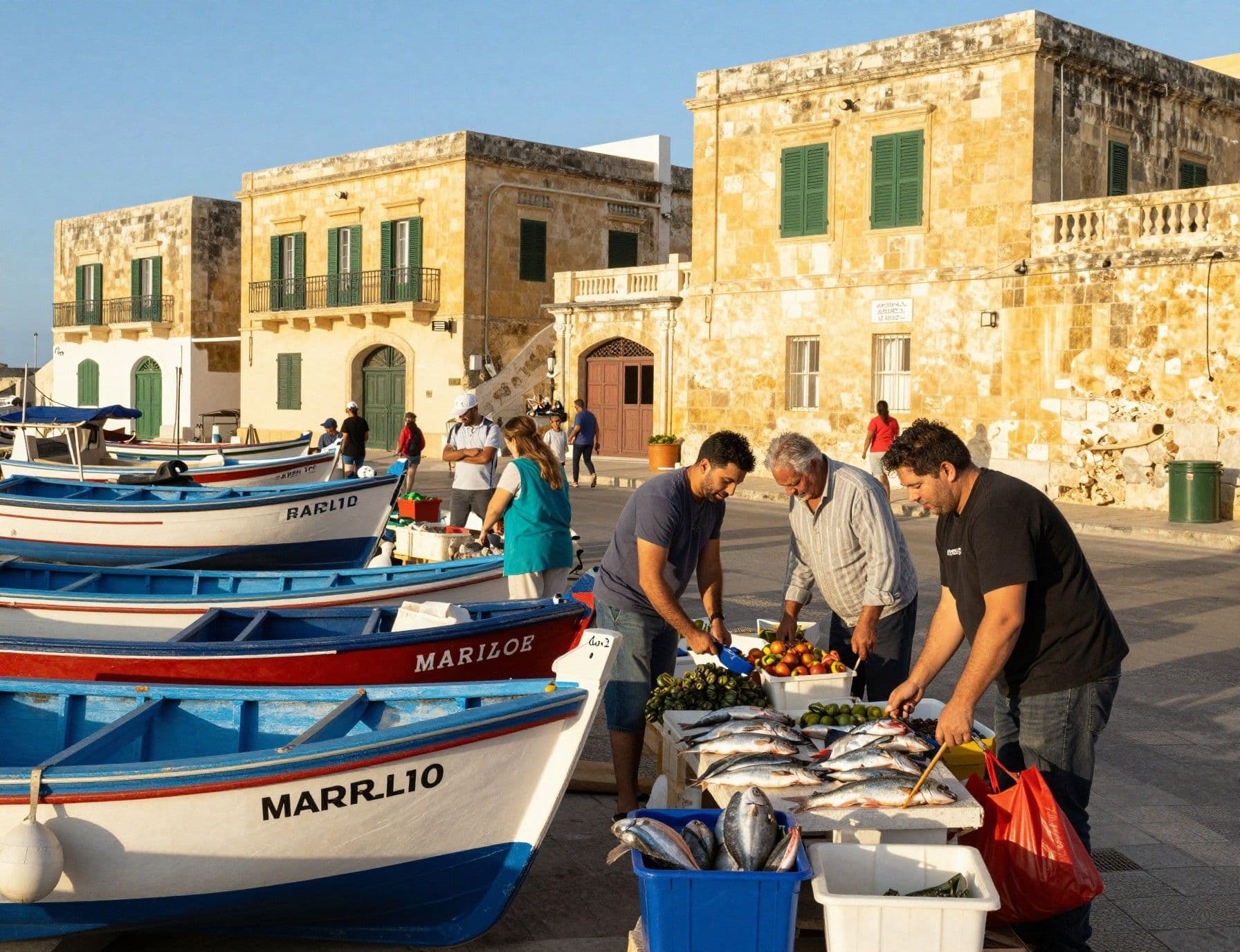
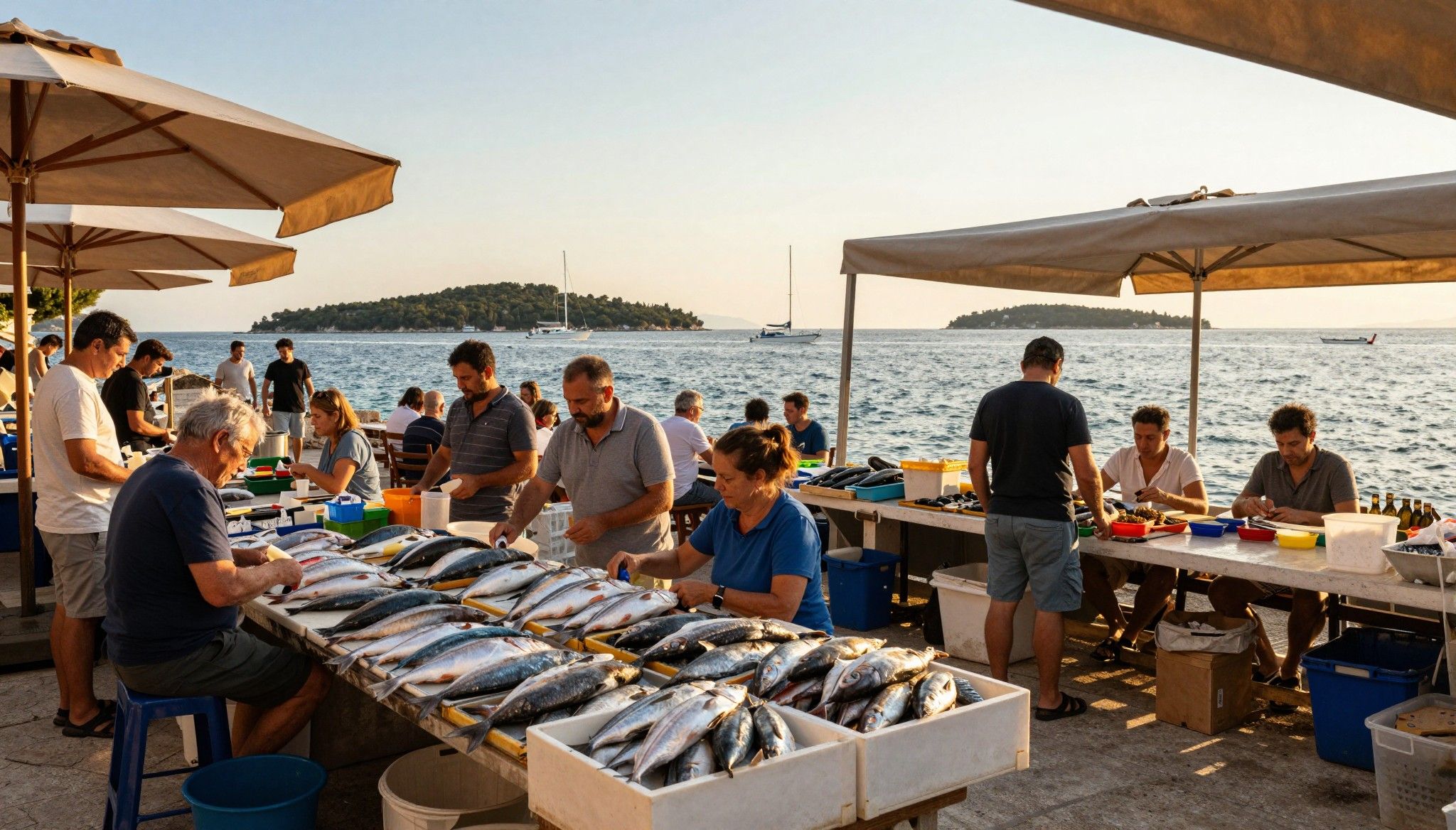
Weekends smell of baking in Mosta and of sun-dried capers in village squares. The Marsaxlokk market is a sunrise ritual where fishermen trade the day’s catch and you learn which bays are good for swimming in August. Seasonal life matters: winter brings pruning and olives; summer brings festas, late dinners and crowded bays. Choosing a property means choosing a rhythm—do you want tavernas and festas outside your door or a quieter lane where you can grow potted herbs?
Making the move: practical considerations
The dream of a Maltese terrace comes with concrete rules and market signals. Malta’s Residential Property Price Index rose meaningfully in recent years, reflecting steady demand and limited land. At the same time, a zone‑based permit system (AIP) shapes where non-residents can buy and the minimum price bands for holiday homes or new purchases. Knowing these thresholds and reading the RPPI helps you avoid surprises and find pockets of real lifestyle value.
Property styles and how they shape daily life
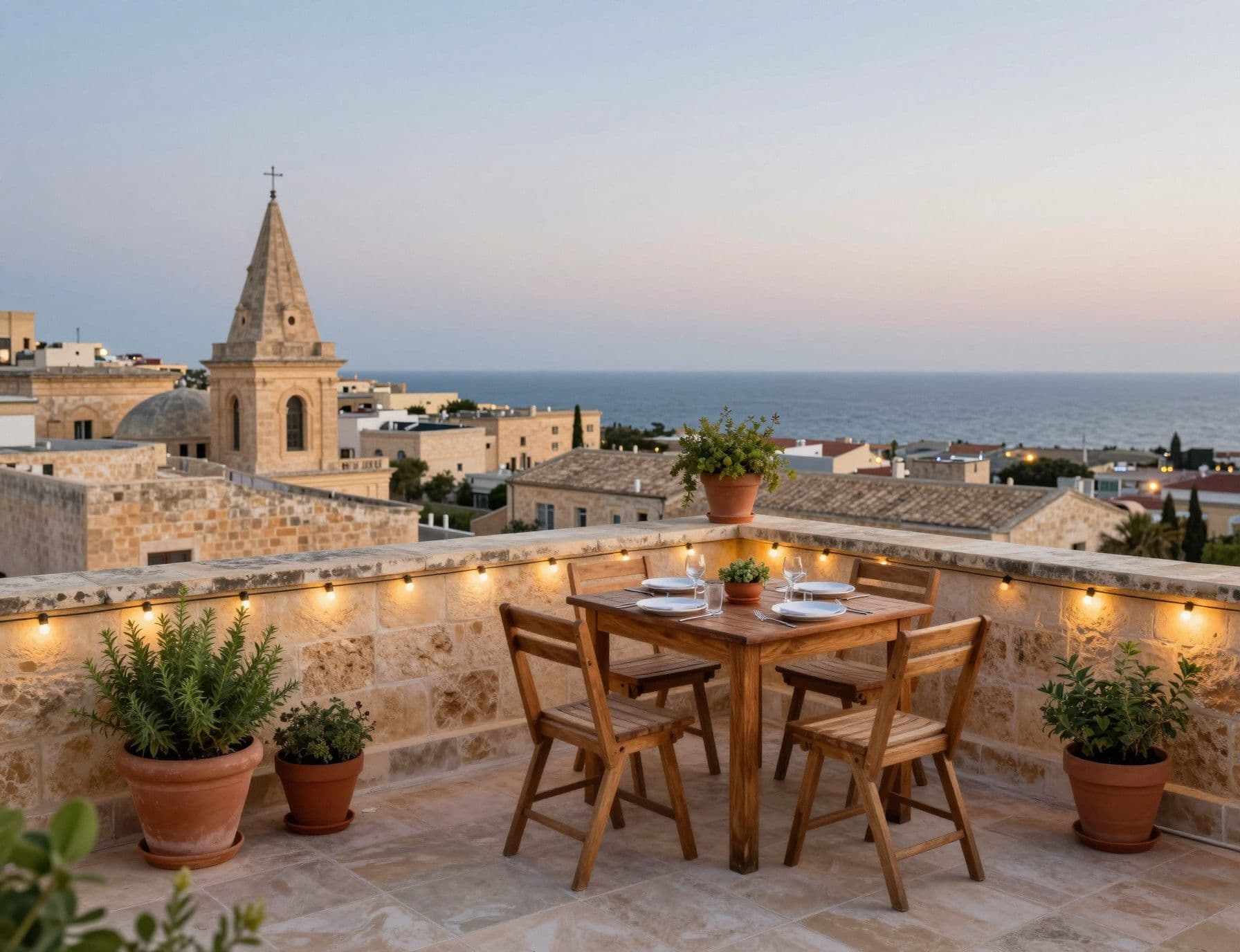
A townhouse in Rabat or Mdina centers life around courtyard gardens and morning shade; an apartment in Sliema trades outdoor space for sea views and promenades; a farmhouse (ġnien) near Gozo gives you land to cultivate. Think beyond square metres: a small maisonette with a rooftop terrace can expand your living into daylight hours, while a modern seafront flat may demand more maintenance and management but pays off in ease and rental potential during high season.
Steps to match lifestyle to property (practical + experiential)
1) Map daily routines: visit mornings, afternoons and evenings to feel noise, light and community. 2) Test a short stay: rent a maisonette for two weeks to live the kitchen, market and transport rhythm. 3) Prioritise outdoor space: even a small terrace transforms Mediterranean living. 4) Ask about running costs and insulation—stone keeps cool but may need retrofit for energy efficiency. 5) Check AIP zone status early to avoid wasted offers.
Insider knowledge: expat truths and green opportunities
Expats often expect resort life; they find something more textured: community churches, olive terraces, and neighbours who know each other’s names. A surprising green opportunity is retrofitting: traditional Maltese homes—thick limestone walls, timber beams, internal courtyard—are excellent candidates for low‑impact upgrades like solar thermal water heating, drip irrigation for tiny gardens, and discreet PV on flat roofs. The practical truth many new buyers learn is that sustainability here is incremental and tactile, not only high-tech.
Cultural integration, language and community
English eases transactions, but belonging grows through local gestures: buying from the same baker, learning a handful of Maltese phrases at festa tables, and joining village initiatives. Festivals are invitations—take part, bring a dish, and you’ll find introductions that no agent can arrange. These small rituals are what make a house feel like home and often determine where expats settle long-term.
Practical red flags and stewardship tips: • Check AIP eligibility and price thresholds before making offers to avoid legal delays. • Insist on energy‑use records and ask sellers about insulation, hot-water systems and roof condition. • Consider properties with courtyards or terraces that can support native planting and rainwater capture. • Work with a local agent who values ecological upgrades and can suggest vetted craftsmen for sympathetic retrofits.
Malta gives you a life of stone and sea, of neighbourhood rituals and short journeys between market and harbour. If you dream of green living grounded in place, look for homes where the architecture invites gardens and good light, where neighbours still meet on the street, and where modest retrofits add resilience. Start with a few days of real life here, read the RPPI and AIP rules, and let an eco-minded local agency translate lifestyle into a property you can love and steward.
Moss & HearthDutch property strategist who helped 200+ families find sustainable homes in southern Europe; expert in legal pathways and long-term stewardship.
Related Articles
More insights that might interest you
 Villa Curated
 Villa Curated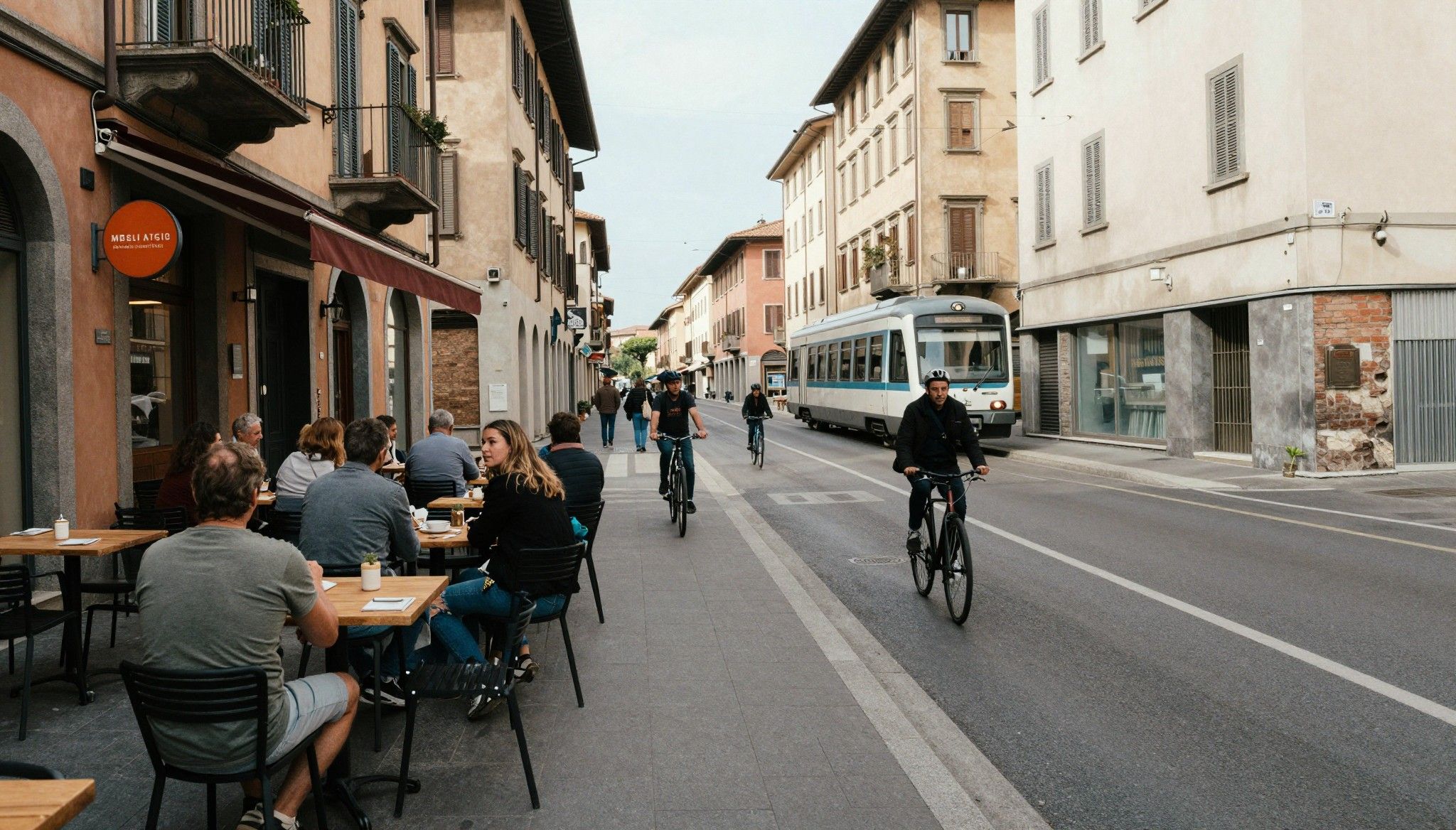
 The Yieldist

