Why Off‑Peak Greece Often Holds the Smarter Purchase
Greece’s summer romance masks year‑round opportunities: off‑peak buying, neighbourhood rhythm, and stewardship-oriented investments yield better lifestyle and steadier returns.
 Villa Curated
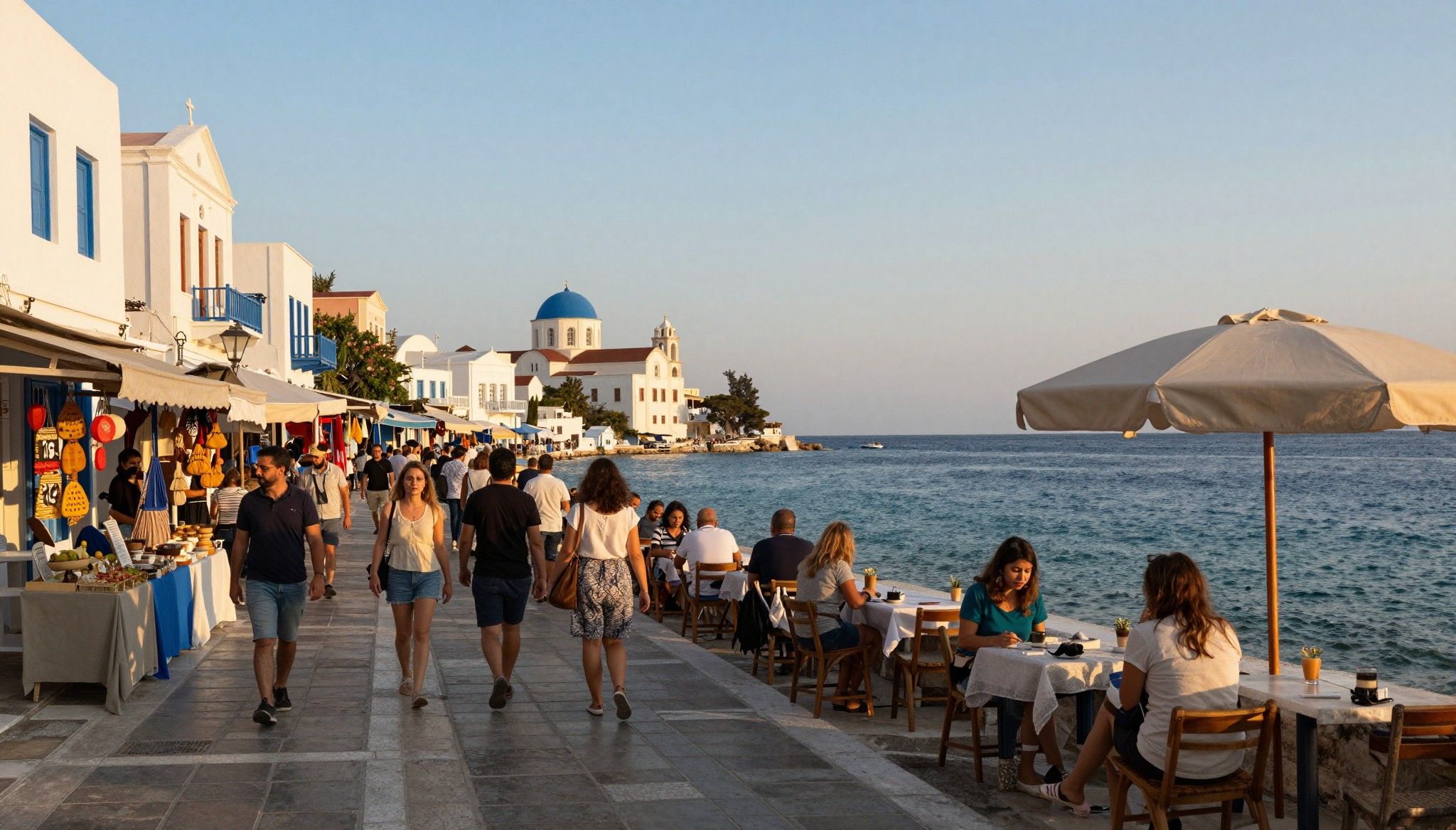
Imagine an afternoon in Koukaki: a slow espresso at Taf, the clack of ceramic cups, bougainvillea shading a narrow street where a restored neoclassical façade meets a pared-back apartment with olive-wood floors. That intimacy—sunlit terraces, neighbourhood bakeries, and a rhythm that slows in August—explains why buyers fall for Greece. Yet beneath the romance a quieter market logic has opened unexpected opportunities for thoughtful buyers.
Living the Greece lifestyle
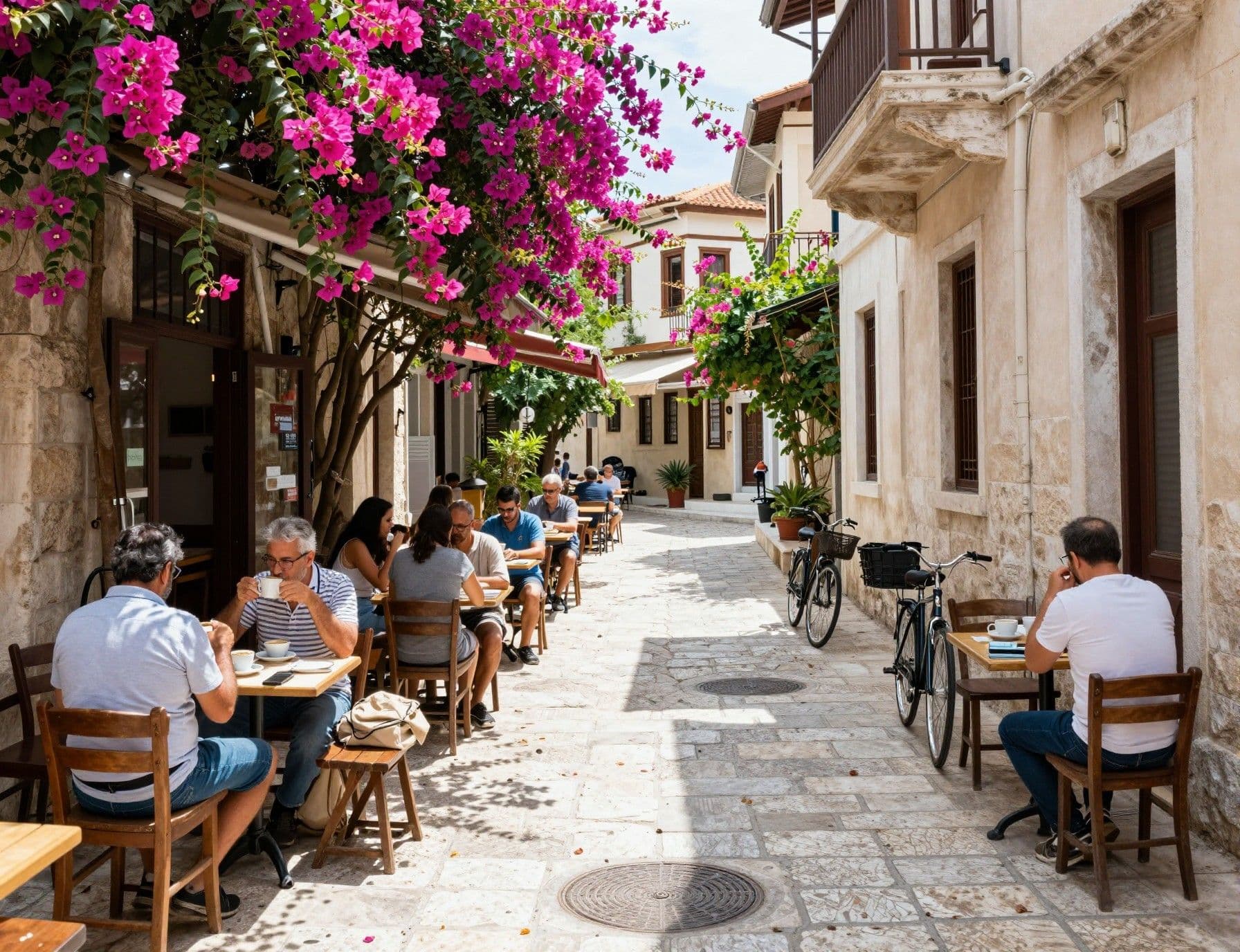
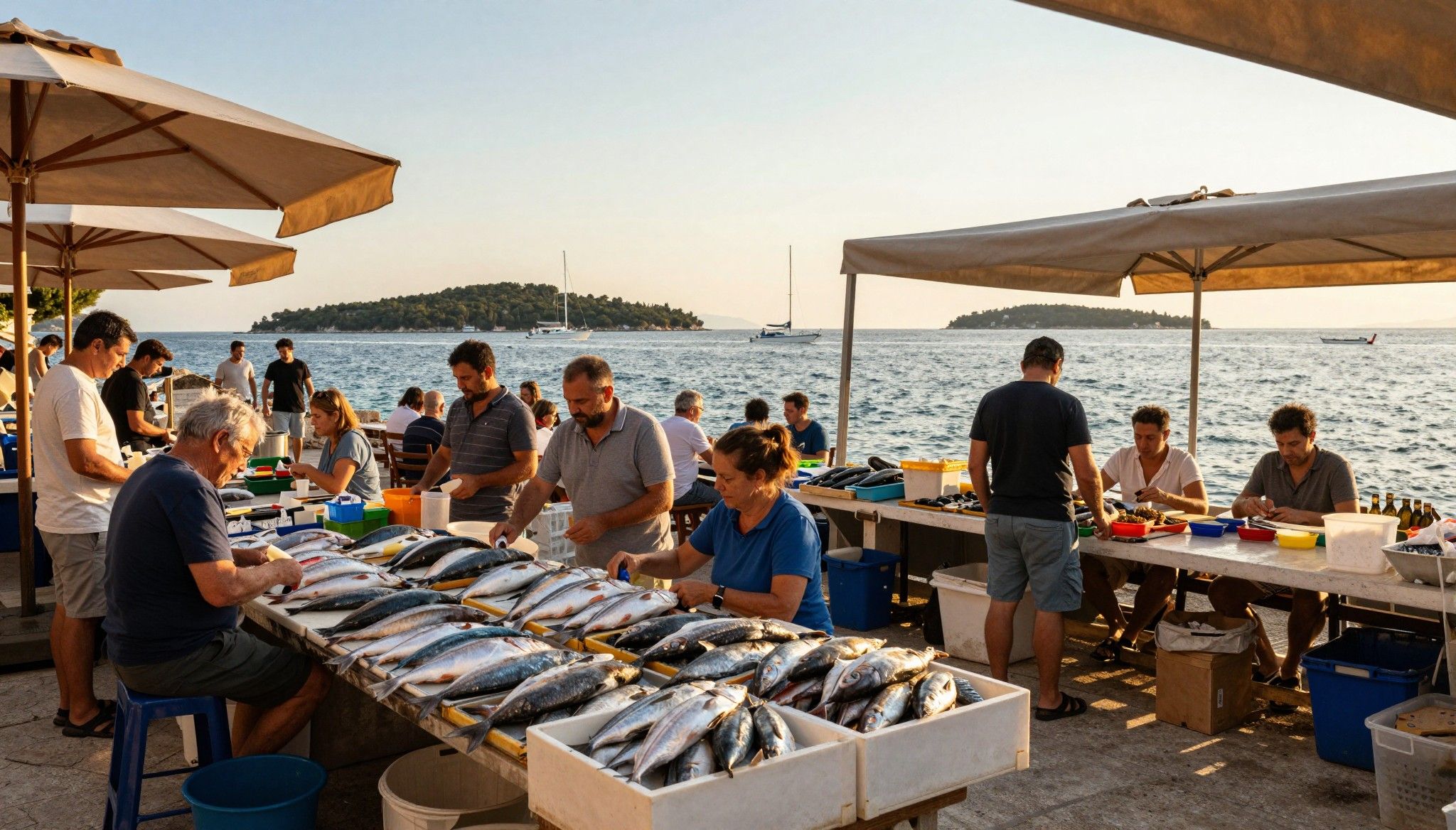
Greece is not a single mood but a palette: Athens’ shaded squares and atelier cafés; Crete’s olive-groves and late-night plates of dakos; the Cyclades’ whitewashed lanes that narrow into sea views. Days begin with markets—pulsing with fishmongers and citrus—and end with a slow dinner on a terrace. For international buyers this translates into a life where neighbourhoods matter as much as the property: proximity to a morning market, a favourite kafeneion, or a reliable small clinic shapes daily contentment.
Athens: urban layers, walkable life
Walkable Athens has distinct neighbourhood personalities. Koukaki offers narrow streets and artisan shops; Pangrati blends post-war apartment blocks with vibrant tavernas; Kolonaki provides classical facades and gallery life. Each offers different daily textures—markets and playgrounds for families, compact terraces for writers, cafés and late-night music for those seeking an urban pulse.
Islands and regions: varied seasons and sensibilities
An island like Naxos or a region such as the Peloponnese offers a different calendar: summer brings bustle, but shoulder seasons—April–June and September–October—are when the place truly breathes. National tourism has grown strongly (the Bank of Greece reports large visitor numbers in recent years), which lifts rental demand yet also pressures supply during summer; discerning buyers look beyond the high season for value.
- Local highlights to taste daily life
- Morning coffee at a corner kafeneion in Plaka;
- Saturday produce at Varvakios Market in central Athens;
- Sunset walks on the Rethymno seafront followed by grilled fish;
- Village festivals (panigyria) in late summer—local food, music, and community warmth;
Making the move: practical considerations
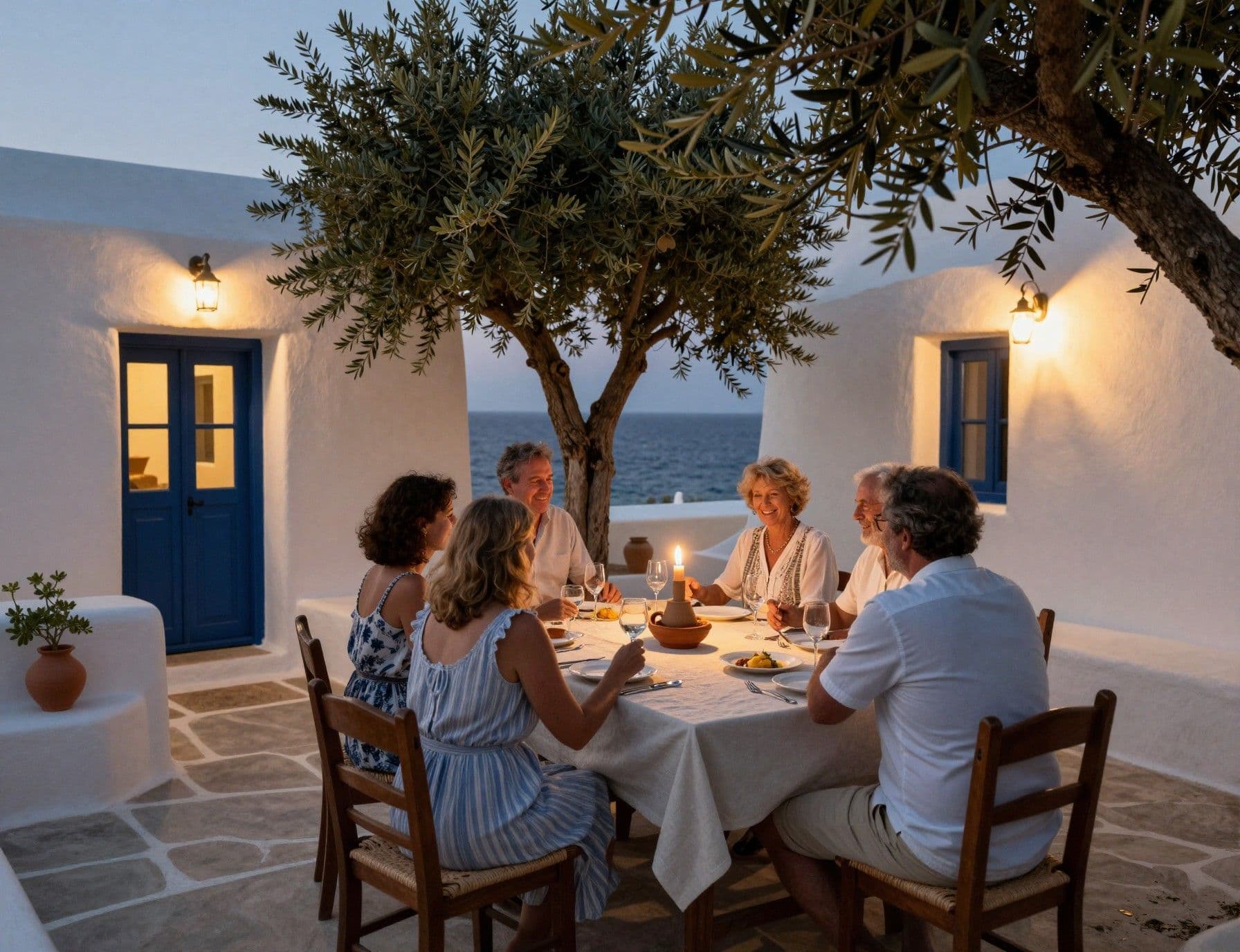
The dream of terrace dinners and coastal light meets the realities of title searches, planning permissions and seasonality. Recent market dynamics—steady price growth and strong tourism—mean timing and location selection now carry different consequences than a few years ago. Smart buyers translate lifestyle priorities into property attributes that serve daily life year‑round, not only during August.
Property styles and what they mean for living
From restored neoclassical flats in Athens to stone village houses in Mani, each type asks for different stewardship. Neoclassical apartments offer high ceilings and craftsmanship but can require costly restoration; Cycladic houses bring light and views yet need careful insulation and storage solutions. Consider rental demand: urban areas show steady rents (RE/MAX reports rises in 2025), while island yields spike seasonally—plan for maintenance and off‑season occupancy.
Working with local experts who understand lifestyle
An agent who knows which neighbourhoods retain authentic daily life—and which will be reshaped by short‑term rental regulation—is an invaluable ally. Recent policy changes tightening short‑term rental rules (including restrictions on basements and licensing in central Athens) mean an agent must advise on permitted uses, realistic income expectations and renovation standards that preserve both habitability and legal compliance.
- How to align lifestyle and return: a short checklist
- Decide what season you value most (everyday life vs. high summer) and choose a neighbourhood that reflects that rhythm;
- Prioritise proven infrastructure—local healthcare, year‑round transport links and markets—over a singularly photogenic view;
- Ask your agent for comparable off‑season occupancy and maintenance costs, not just peak season rental figures;
- Plan for restoration budgets when buying older properties: document craftsmanship you wish to retain and the interventions you will permit.
Insider knowledge: what expats wish they'd known
Many expats arrive enchanted by summer scenes and assume that all islands and central Athens will sustain that energy twelve months a year. The truth is more subtle: roads quiet, cafés close earlier, and community life can be intensely local outside peak months. Those who embrace seasonal variation—learning village festival dates, market rhythms and civic schedules—find deeper integration and better value.
Cultural integration and daily life
Language is less a barrier than a courtesy. Learn simple local phrases, attend a panigiri, and frequent the same baker. These small rituals unlock invitations and practical support—from trusted tradespeople to municipal procedures—that no online forum replicates. Expats who invest time in neighbourhood life benefit from smoother renovations, quicker problem resolution, and relationships that preserve the property’s provenance.
Long‑term lifestyle and market considerations
Greece’s strong tourism rebound (documented in OECD and national reports) is reshaping demand: some areas are professionalising short‑lets while others preserve quiet residential life. Consider longer horizons—heritage restoration, energy upgrades and neighbourly consent all influence property value. Buyers oriented to stewardship—sensitive restorations, durable materials and local artisans—often see steadier appreciation.
- Expat mistakes to avoid
- Relying on peak-season rental figures when forecasting annual income;
- Underestimating restoration costs for period properties with authentic features;
- Choosing islands solely for Instagram appeal rather than year‑round services and access.
Conclusion: the right purchase is a life first, an investment second. Choose a place that will suit weekdays and weekends alike; prioritise neighbourhood life, durable materials, and an agent who understands both daily rhythms and regulatory realities. If you long for a terrace where neighbours bring late‑night raki, seek an agent who knows that street—so the house you buy works as a home across seasons and years.
Villa CuratedDutch former researcher who moved to Lisbon, specialising in investment strategy, heritage preservation, and cross-border portfolio stewardship.
Related Articles
More insights that might interest you
 Villa Curated
 Villa Curated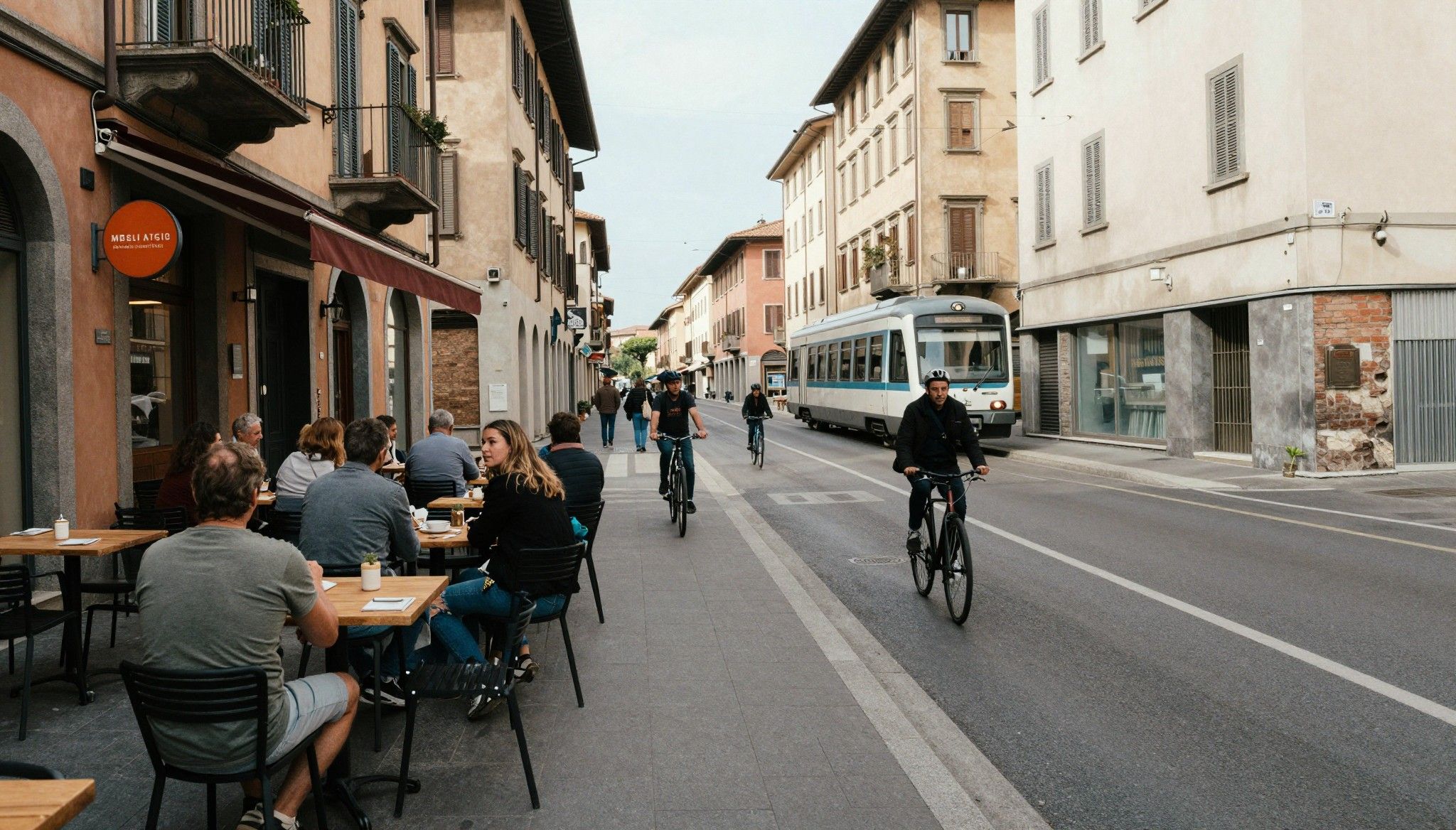
 The Yieldist


