Invest Where Locals Buy: Malta's Under‑noticed Streets
Look beyond Malta’s panoramas: value and authentic lifestyle often reside in quieter streets, where restoration, community and daily rituals outshine headline views.
 Villa Curated
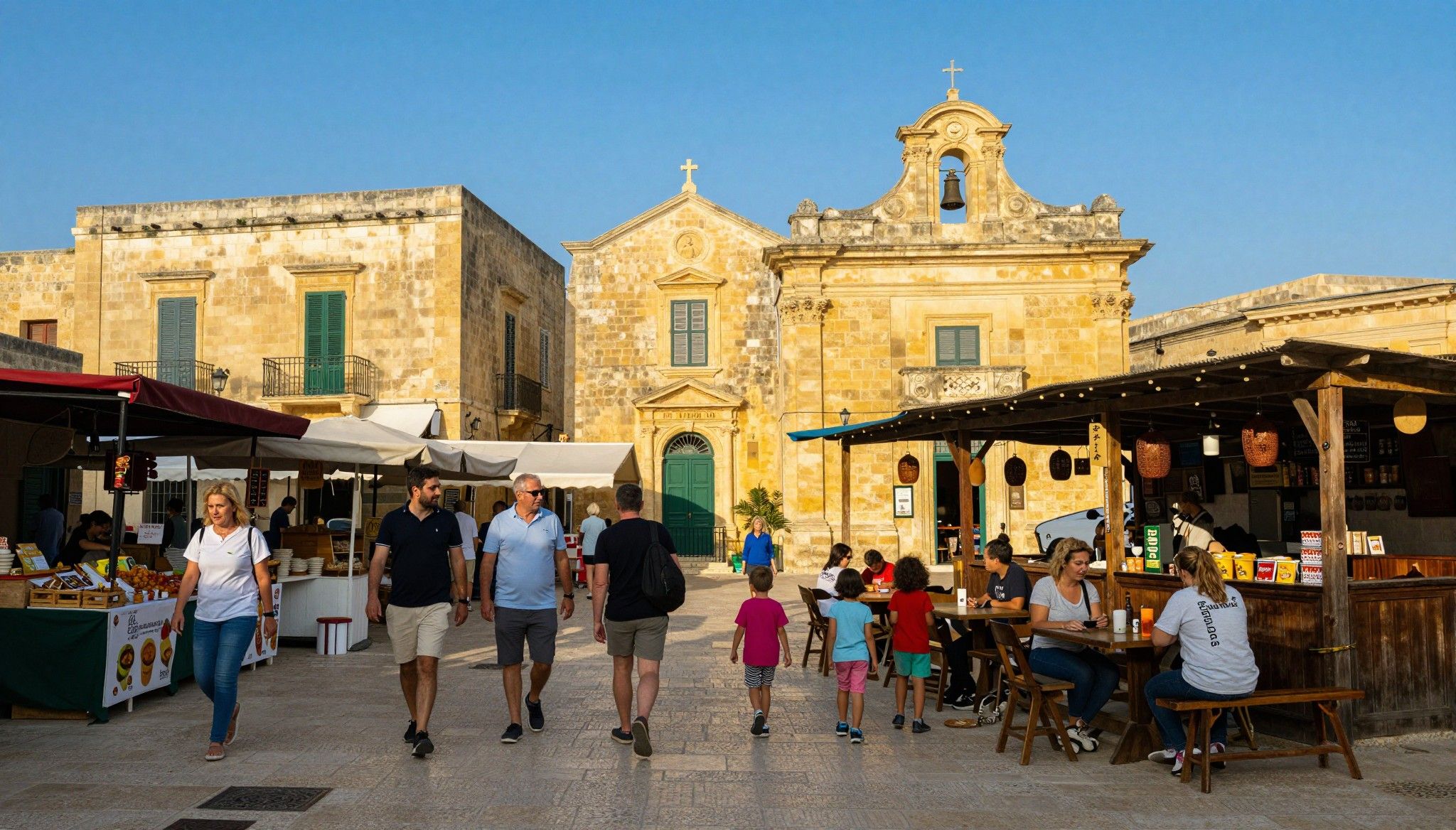
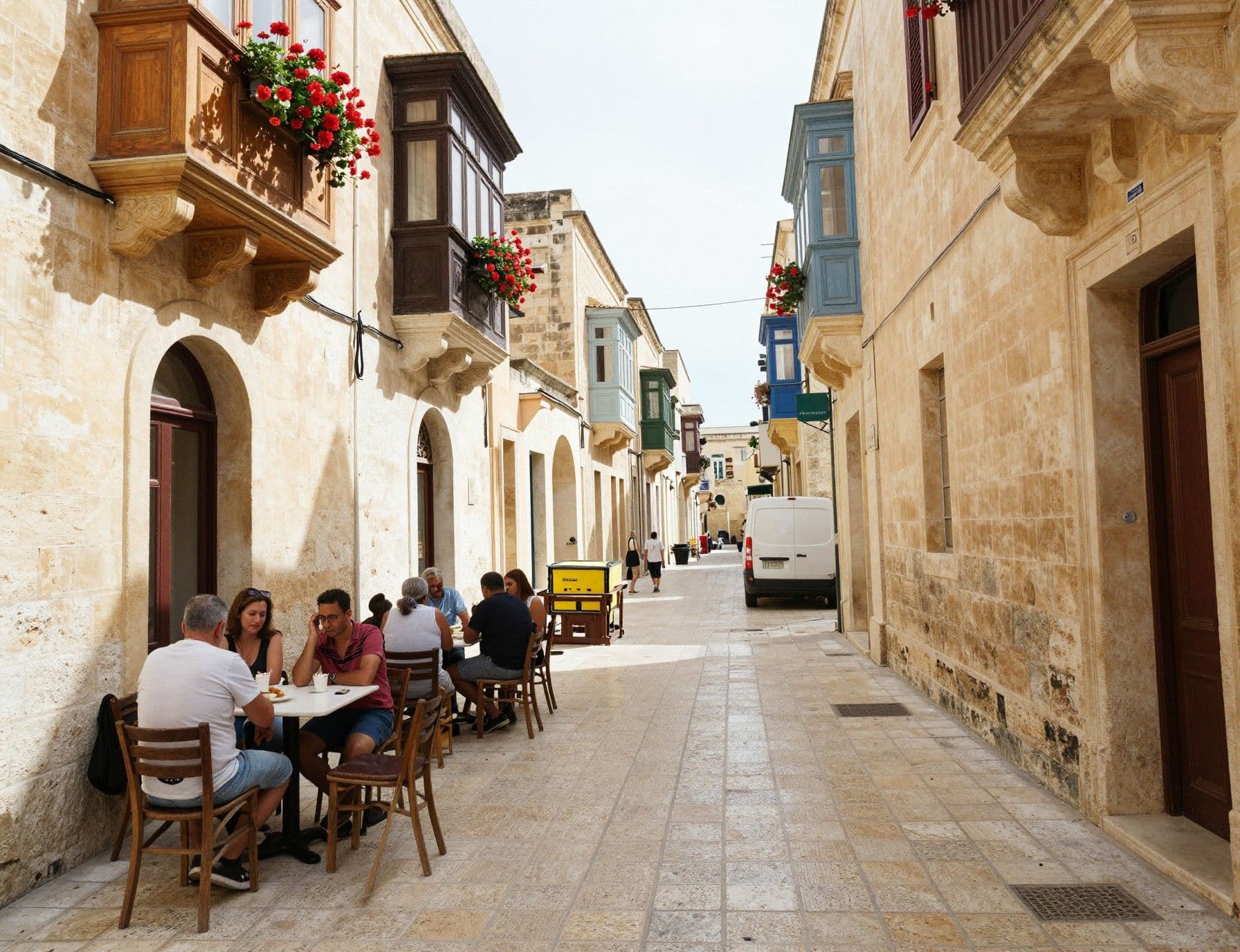
Imagine an early morning in Malta: a narrow limestone lane cool underfoot, the scent of espresso drifting from a corner café on Triq ir-Reġina, an aged balcony where geraniums spill over wrought iron. This is life not on the glossy waterfront postcards but in the quieter streets where craftsmen still open their shutters and neighbours exchange news. For many international buyers the island’s visible glamour—marinas, high terraces and headline neighbourhoods—dominates the imagination. Yet value, rhythm and the most convincing proofs of authentic Maltese life are often found a block inland, in neighbourhoods the market has only recently begun to prize.
Living Malta: beyond the harbour view
Malta is at once compact and layered: baroque Valletta and its theatrical facades, the genteel terraces of Sliema and St Julian’s, the village squares of Mosta and Naxxar where daily life is measured by market stalls and paseġġos. The island’s small scale rewards walking; every neighbourhood contains a sequence of moments—bakeries, a tram-like bus route, a favourite harbour for a dusk promenade—that shape how you live more than a podium of skyline views.
Spotlight: Rabat‑Mdina corridor and the understated streets
Walk the lanes between Rabat and Mdina and you find an alternative tempo: shaded courtyards, restored townhouses with original timber beams, and a neighbourhood culture that prizes privacy and provenance. These streets offer generous floorplates and restoration opportunities that waterfront apartments often lack—and for buyers who value craft and long-term stewardship, they frequently represent better architectural and lifestyle returns than the headline coastal blocks.
Food, cafés and the social geography of place
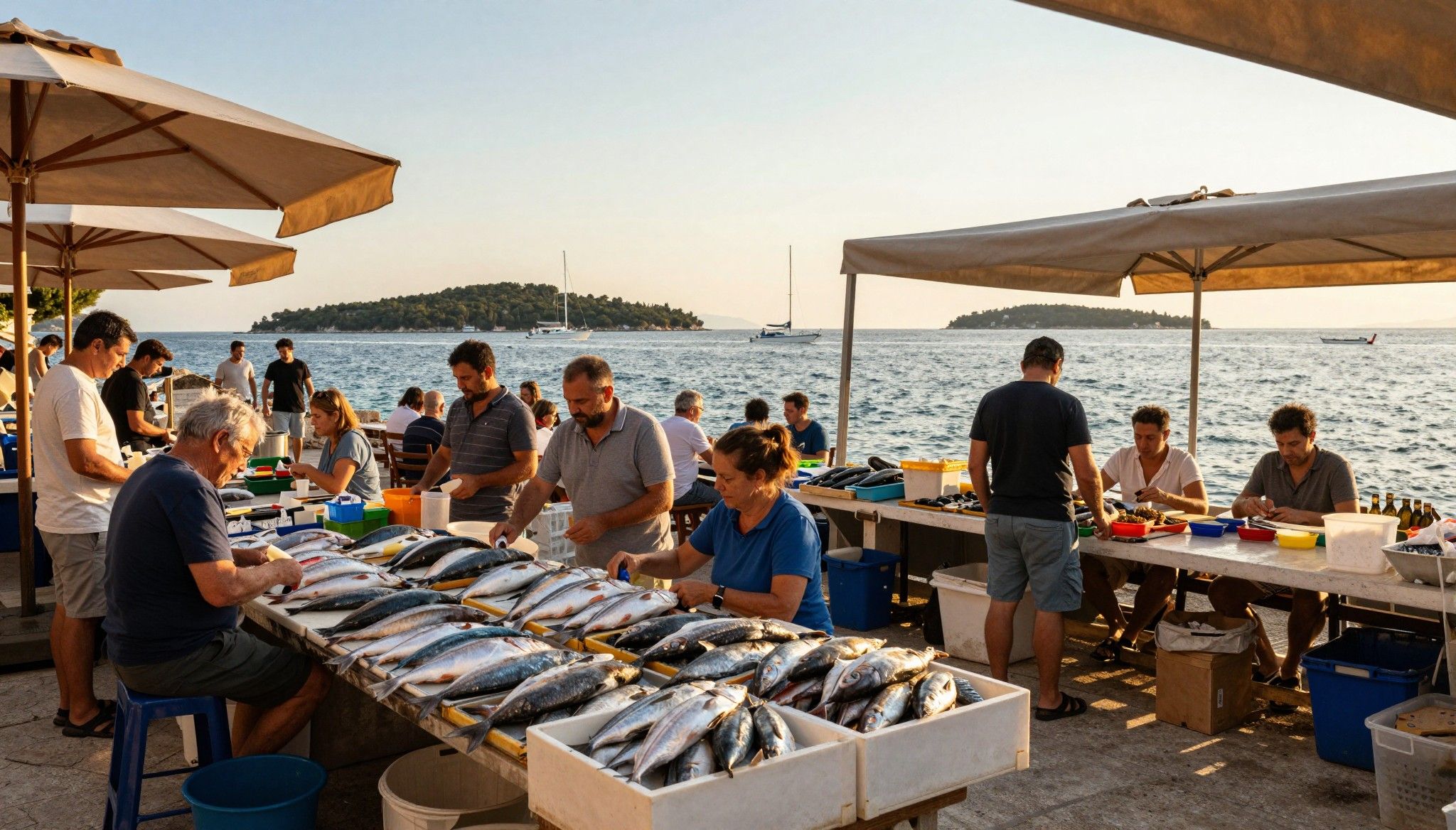
From the fishmongers in Marsaxlokk to the daily mercados in Ħal Tarxien, Malta’s food culture is a neighbourhood phenomenon. You will spend mornings with a small, excellent espresso at Café Jubilee on Triq Santa Luċija, afternoons at Ġnien il-Kunsill for a shady walk, and evenings in a local baker’s square where the pastry vendor knows your name. These everyday rituals determine where you will want to live more than views on brochures.
Making the move: practical considerations that preserve lifestyle
The market is not static. Recent RPPI releases show sustained price growth—driven by a combination of domestic demand, a rising population and steady foreign interest—making timing and neighbourhood choice decisive for long‑term value. Understanding where locals actually buy—streets with active restorations, family-owned investment, and steady sales volumes—helps avoid overpaying for marketed vistas.
Property types and how they shape daily life
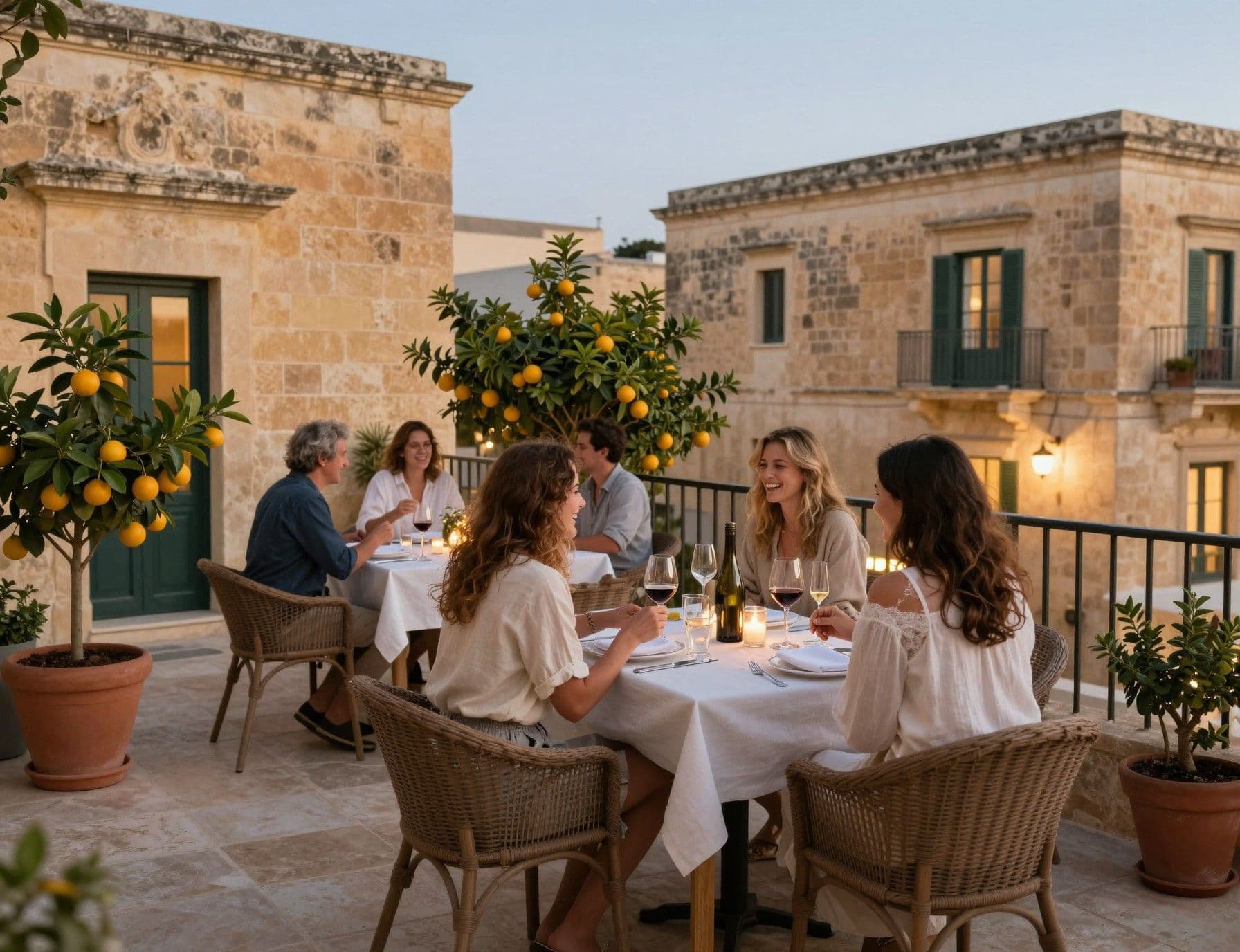
A Maltese maisonette with internal courtyard behaves differently from a high-floor seafront apartment. Maisonettes give you a private ground-level entrance, room for potted citrus, and a relationship with street life. Converted townhouses allow layered living—guest suites below, family rooms above—and reward careful restoration. New build seafront units offer convenience but often impose service fees and limited outdoor privacy; they suit a seasonal ownership model more than a life‑long stewardship.
Working with local experts who understand streets, not just listings
Agencies that live in the neighbourhoods—whose teams know which façades hide good floorplans, which lanes are scheduled for road works, and which houses have legal encumbrances—provide more than listings. They provide context: how a street’s microeconomy functions, whether a property will suit a permanent family life or holiday letting, and how local planning quirks affect restoration possibilities. For buyers seeking authentic Maltese life, choose advisors with demonstrable restoration and local planning experience.
Insider knowledge: what expats frequently learn—too late
Expats often arrive seduced by panoramas and marina life, only to discover that daily comfort depends on small civic rhythms: reliable neighbourhood shops, afternoon breeze lines in summer, and winter sun penetration for masonry homes. Buyers who acclimatise their expectations—valuing the intimacy of a shaded street over headline prestige—find properties that age well and are easier to steward.
Cultural integration and practical social cues
English is an official language, but Maltese social life runs on local patterns: midday family lunches, festa calendars that animate village life, and an unhurried approach to business relationships. Demonstrating respect for local customs—attending a festa or buying from a local baker—opens doors and informs whether a neighbourhood truly suits your rhythm.
Practical lifestyle + purchase tips to act on
1. Spend mornings and evenings in a neighbourhood before you bid—coffee, market, dusk noise profile. 2. Prioritise properties with external stone and solid timber elements for longevity in Malta’s climate. 3. Ask an agent for deed history and frequency of transfers on the street (active streets signal liquidity). 4. Factor in restoration budgets—traditional townhouses reward patience and skilled artisanship. 5. Visit in low season to assess sunlight, wind exposure and true year‑round livability. 6. Meet neighbours; social fit matters as much as fabric when you plan a long‑term move.
Malta’s market numbers confirm that value is moving beyond the obvious. The NSO’s RPPI and local transaction figures demonstrate continued price appreciation, but the most durable opportunities lie where local demand meets architectural substance—streets of restored townhouses, maisonettes with courtyards, and pockets near village centres. For buyers whose intention is life as much as asset, these streets deliver both the quotidian pleasures and the stewardship responsibilities that create lasting value. Begin with a neighbourhood, not a view; let local expertise translate that neighbourhood into an address.
Villa CuratedHaving moved from Stockholm to Marbella in 2018, I help Scandinavian buyers navigate Spanish property law, restoration quality, and value through authentic provenance.
Related Articles
More insights that might interest you
 Villa Curated
 Villa Curated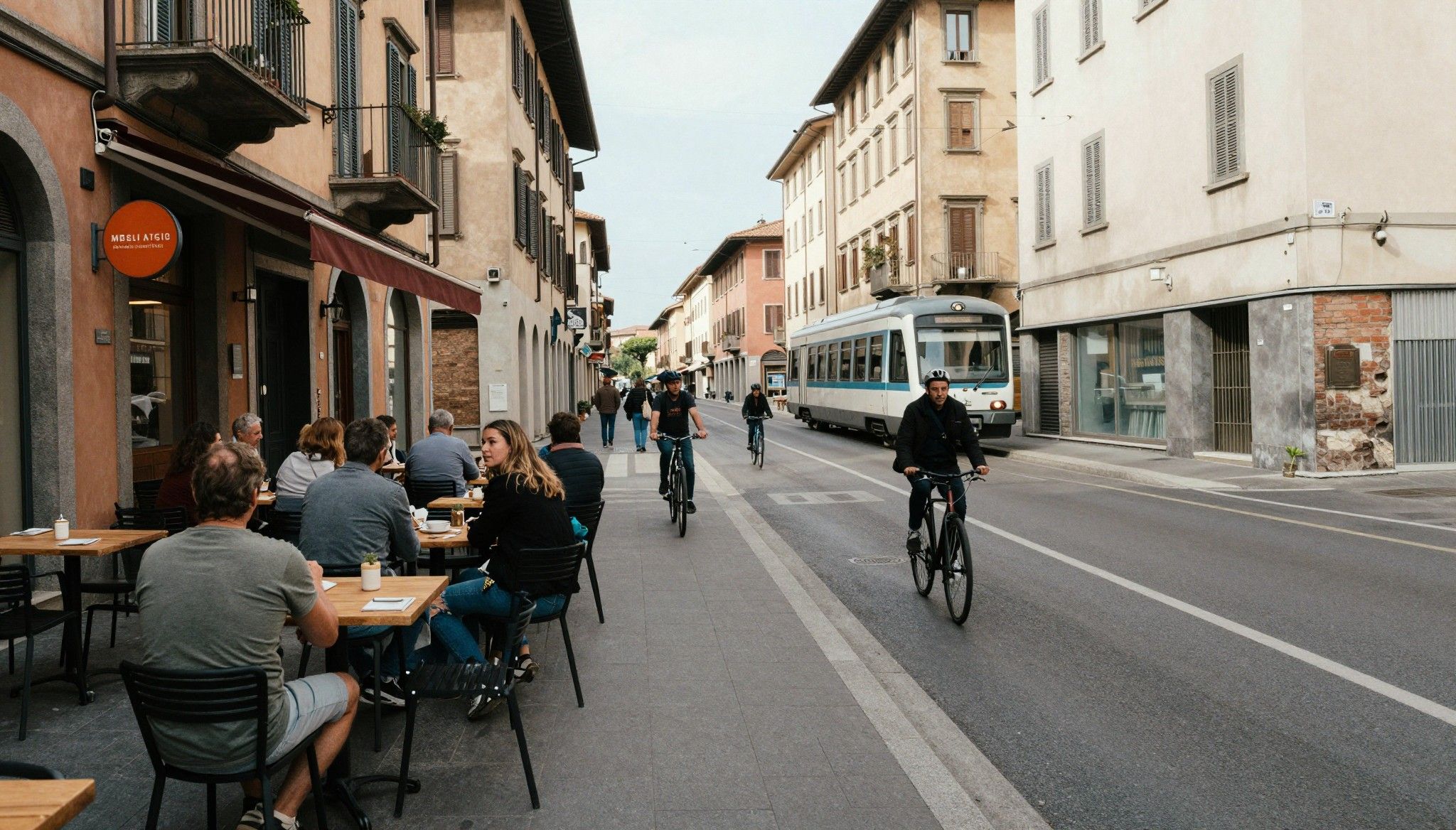
 The Yieldist


