Why Off‑Season Buying in Greece Often Wins
Buyers who visit Greece outside high season see how neighbourhoods truly function — and gain leverage, clarity and clearer long‑term value. Backed by market reports and policy updates.
 Villa Curated
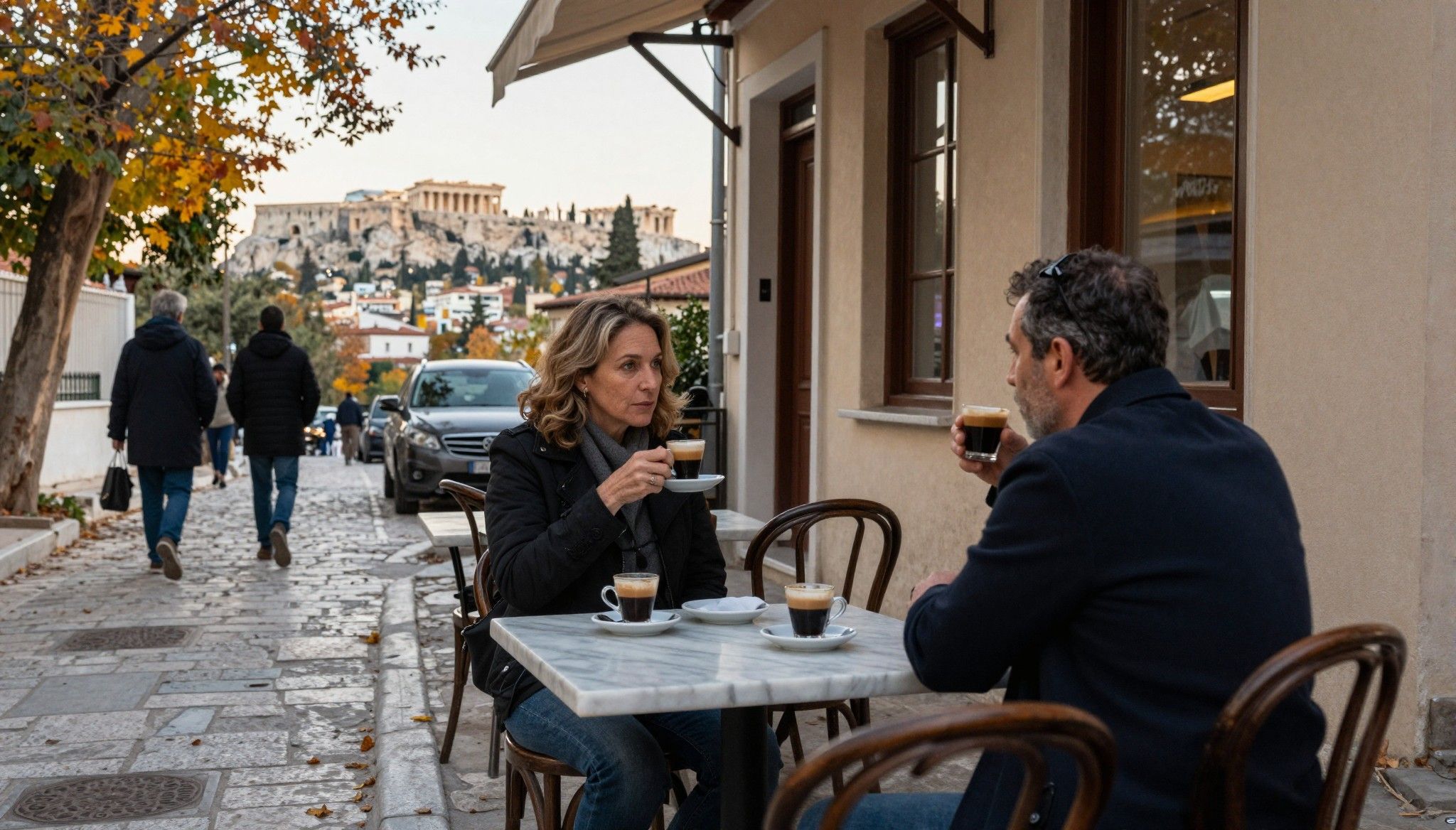
Imagine an autumn afternoon in Plaka: the cafés half-full, a ceramic cup cooling on the marble table, a light wind carrying salt from the Saronic and the distant call of a cathedral bell. For many international buyers Greece reads like a summer postcard — whitewashed churches, island sunsets and packed terraces. The quieter months, however, reveal a different Greece: neighbourhoods where neighbours know your name, quieter harbours that expose economic rhythms, and an opportunity to buy with listening rather than impulse. This piece shows why buying after the high season can deliver better choices, clearer negotiations and a truer sense of where life will be lived.
Living the Greek Rhythm
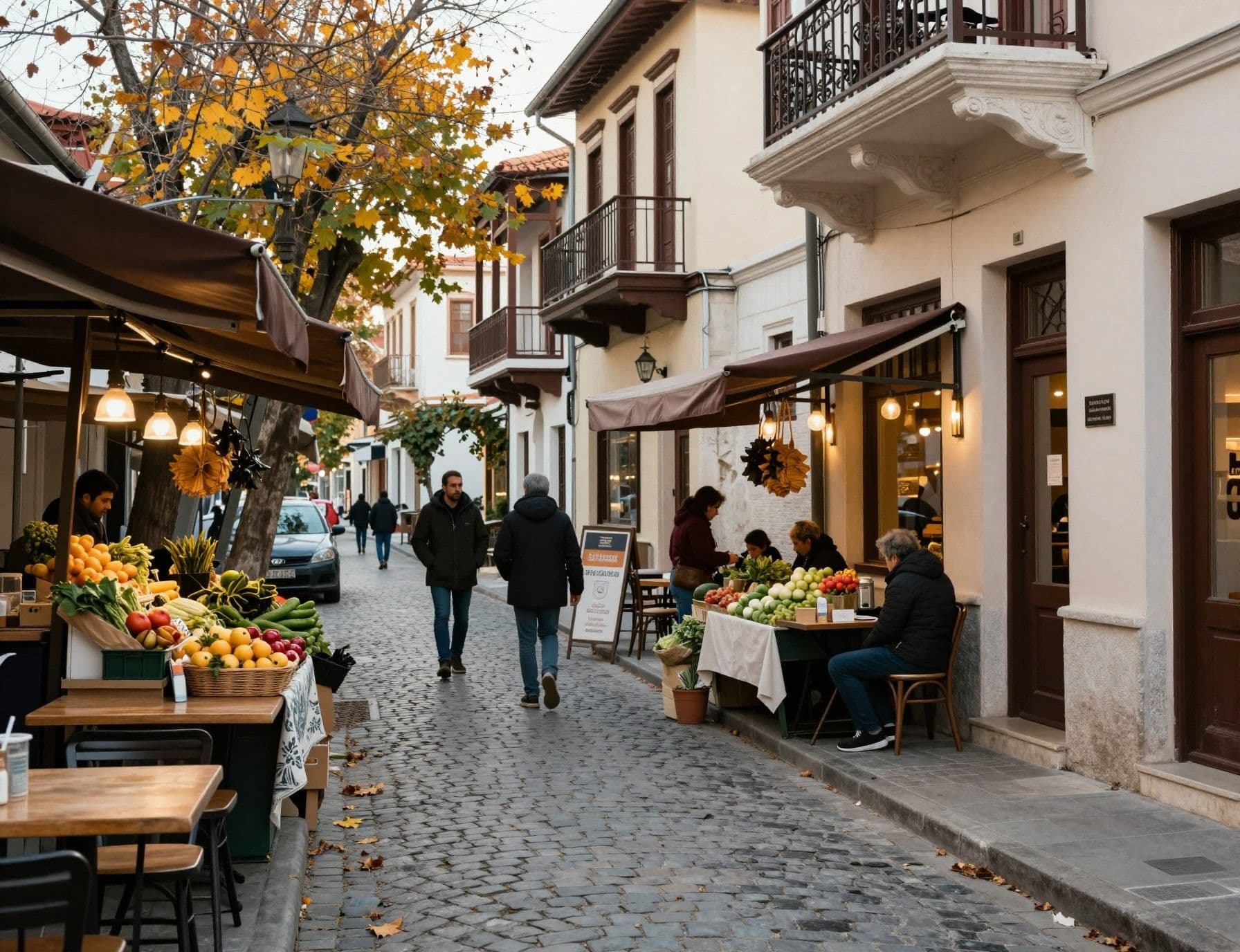
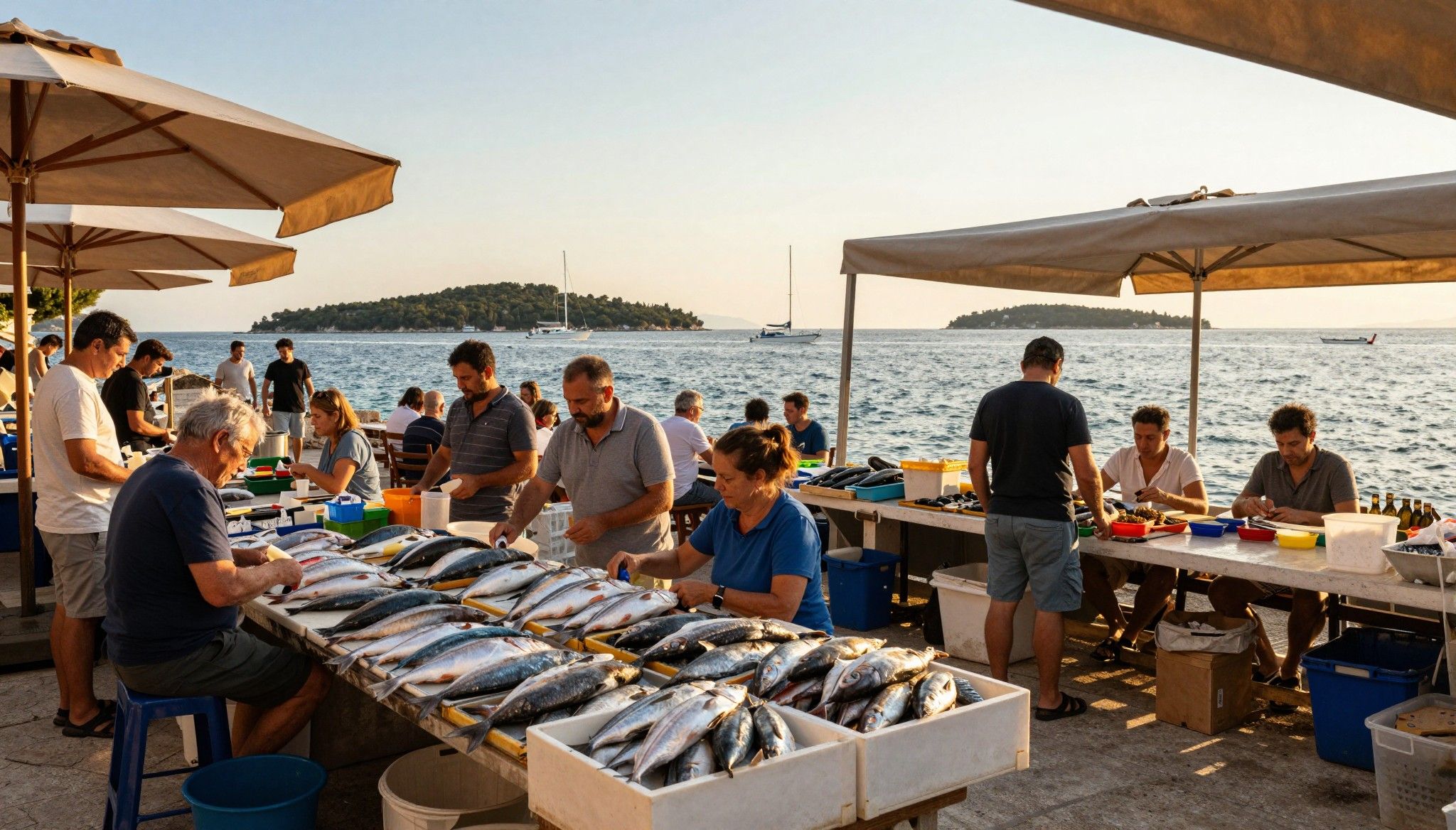
Greece is lived outdoors and in small moments. In Athens you’ll find ritual mornings in Kolonaki and Kifisia, where espresso is brief and conversation precise; on the islands daily life orbits the harbour — fish markets at dawn, siestas in shaded courtyards, and evenings that unfurl slowly along quaysides. Seasonality defines the tempo: July and August bring a particular clamour, but spring and autumn restore scale and reveal how neighbourhoods function year‑round. Market data confirms this rhythm: peak tourist months drive short‑term demand and listing volumes, while off‑season activity better reflects durable domestic demand and long‑term ownership patterns. ([en.spitogatos.gr](https://en.spitogatos.gr/blog/q1-2025-real-estate-market-trends-in-greece-strong-growth-driven-by-housing-demand-regional-hotspots?utm_source=openai))
Athenian neighbourhoods: Which address suits daily life
Kolonaki, Plaka and Kifisia offer distinct residential grammars. Kolonaki is formal — neoclassical façades, curated boutiques and a measured social life; Plaka is historic, steeped in Ottoman and neoclassical layers where tourism and residence coexist; Kifisia reads suburban and verdant, with villas and family life. For long‑term living, streets like Skoufa in Kolonaki, Herodou Attikou beside the Presidential Gardens, or Kifisia’s Diligianni retain their value because they are used by locals throughout the year rather than rented at seasonally inflated rates. Buyers who spend autumn or winter in these pockets see how services, schools and transport perform beyond the postcard.
Islands beyond the postcard
Mykonos and Santorini are emblematic: spectacular but seasonally saturated. Crete, Paros, and Corfu, by contrast, sustain communities through agriculture, fishing and year‑round services. Walk the backstreets of Chania in November and you’ll see bakeries, a market where producers sell olives and cheese, and families linger in tavernas — the exact texture that sustains property values when tourists depart. Legal changes and licensing for short‑term rentals are reshaping island markets; recent policy debates aim to curb purely tourism‑driven conversions, making off‑season research essential to understanding true neighbourhood resilience. ([apnews.com](https://apnews.com/article/b8a2df1326db28e8564ab17a4123e0ea?utm_source=openai))
Lifestyle highlights buyers often miss in high season: 1) Dawn fish markets in Chania and Piraeus, 2) Weekday café life on Athens’ Lycabettus slopes, 3) Olive harvest participation in Peloponnese villages, 4) Quiet harbour walks in Naxos and Paros, 5) Sunday morning passeggiata in Corfu town.
Making the Move: Practical Considerations
Luxury and stewardship speak different languages in Greece. Property types range from restored neoclassical townhouses to contemporary island villas and modern Athens apartments. National price indices have shown strong gains in recent years but also a moderation as supply and regulation adjust; this makes seasonally aware buying strategically different from impulse purchases during a busy summer week. For international buyers, the essential work happens when the market quiets: inspecting heating systems in winter, assessing insulation and winter sun exposure, and visiting local services on weekdays to confirm the year‑round offer. ([bankofgreece.gr](https://www.bankofgreece.gr/Publications/Note_on_the_Greek_economy_14_11_2025.pdf?utm_source=openai))
Property styles and how they shape life
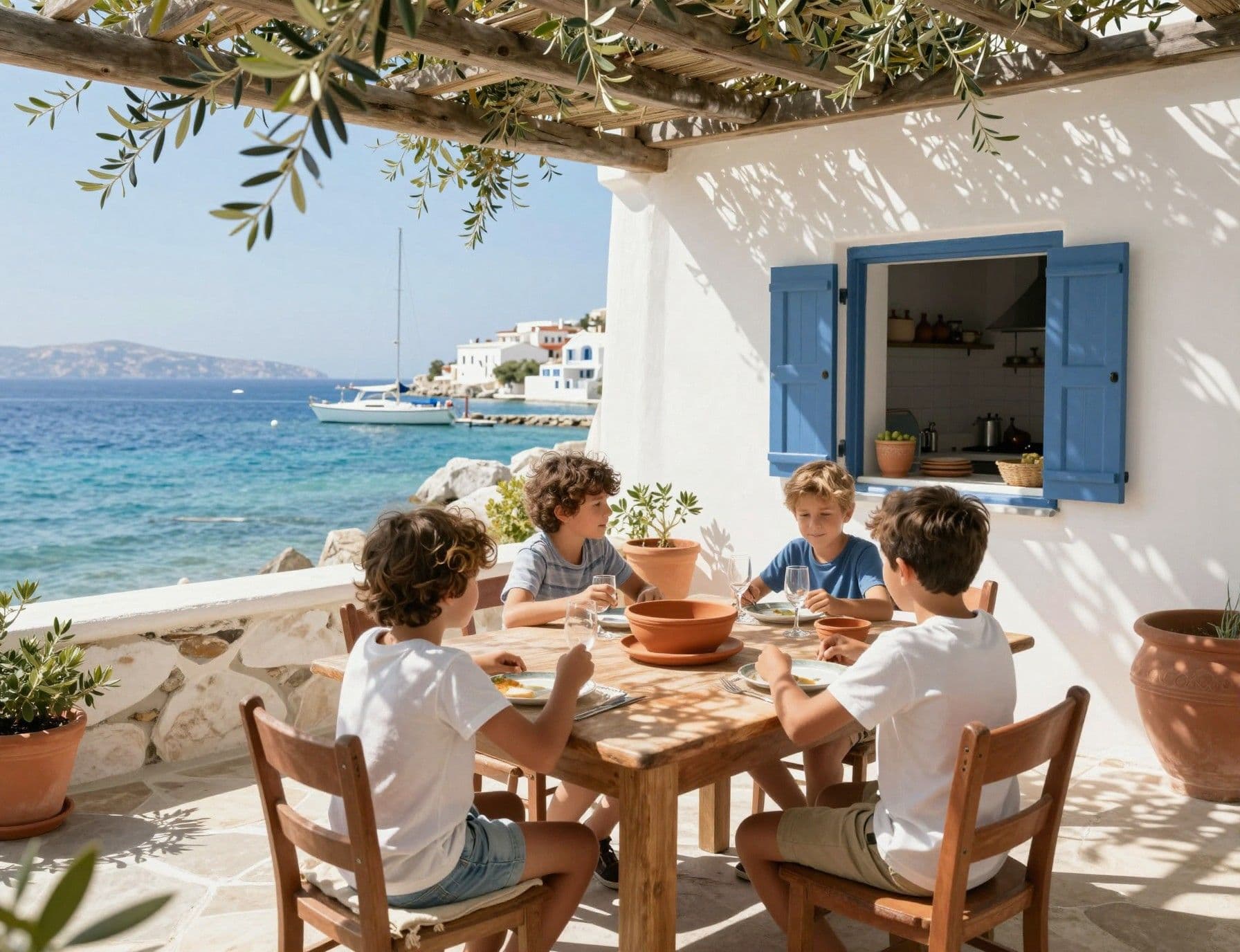
A restored Athens neoclassical offers tall ceilings, original moldings and sense of provenance; it asks for conservation and periodic maintenance. Cycladic stone houses emphasise courtyards, cisterns and shaded terraces and may need adaptation for winter damp. New builds in Elliniko or coastal Peloponnese bring modern services and warranties but lack the patina collectors prize. Match the property’s technical demands with your desired lifestyle: a cook who loves fresh local produce will prize a garden and proximity to market, while someone seeking seasonal retreats will accept heavier summer orientation.
How local expertise saves time and increases certainty
1) Engage an agent who knows seasonal patterns and which streets are dominated by short‑term rentals; 2) Ask for energy and maintenance records — Greek winters reveal issues that summer inspections conceal; 3) Verify short‑term rental licensing and municipal plans, especially on islands where rules are evolving; 4) Confirm any Golden Visa implications if residency is part of your plan — rules have been revised and thresholds vary by region; 5) Use off‑season visits to speak with neighbours, shopkeepers and local municipality offices to assess long‑term prospects. ([goldenvisa-greece.com](https://www.goldenvisa-greece.com/greek-golden-visa-new-law/?utm_source=openai))
Insider Knowledge: Real Talk from Expats and Locals
Expats repeatedly say the same thing: live beyond the highlight reel before you commit. Many buyers discover that the summer persona of a place — endless terraces and late nights — can mask pragmatic shortcomings: limited winter services, unreliable heating, or streets that empty and feel isolated. Locals adapt through community networks, seasonal trades and small economies that sustain them through softer months; observing this in autumn or winter gives a deeper sense of belonging and helps calibrate expectations about rental income and use. Recent regulatory shifts on short‑term lets further underscore the value of off‑season due diligence, as legislation seeks to rebalance tourism and local housing needs. ([apnews.com](https://apnews.com/article/b8a2df1326db28e8564ab17a4123e0ea?utm_source=openai))
Cultural integration and daily social life
Language opens doors; a few phrases in Greek and a willingness to join local routines — morning market runs, participating in a village panigiri (festival), or simply buying bread from the same baker — accelerate acceptance. Social life in Greece is local, reciprocal and slow to start but enduring once earned. For buyers seeking community, neighbourhoods with a morning market and year‑round cafés are preferable to resort strips that empty after September.
Long‑term considerations buyers often overlook
Think beyond resale price: maintenance regimes, planning permissions for extensions, water supply and winter access are recurring practicalities. Municipal plans — from seaside promenades to metro extensions — materially affect value and day‑to‑day life; they are most visible to buyers who visit outside the tourist rush. Finally, stewardship is part of ownership in Greece: successful long‑term owners invest in materials and workmanship that respect local craft traditions, which preserves both quality of life and capital.
If you want to feel the place rather than the postcard, plan an off‑peak stay. Arrive in late autumn, rent a small apartment for a few weeks, and test simple routines: morning markets, local doctors, grocery runs and weekday transport. Combine those impressions with hard data — national price indices and reputable market reports — and you will see which addresses are seasonal theatre and which sustain life. Agents who guide you in this way are not salespeople but curators of provenance: they match architectural character and local rhythm with your life intentions, making the transaction an act of stewardship rather than a transaction.
Practical next steps for an informed purchase: • Visit off‑season and document daily life over two weeks. • Request energy, maintenance and licensing records from sellers. • Commission a local technical survey oriented to winter conditions. • Check municipal plans and short‑term rental registration rules. • Work with an agent who will introduce you to neighbours and local tradespeople. ([passportivity.com](https://passportivity.com/reports-and-ratings/greece-real-estate-market-research-2025/?utm_source=openai))
Greece rewards those who listen. The island light and urban terraces are part of its allure, but the lasting satisfaction of ownership comes from streets that are lived in year‑round, craftsmen who care for material integrity, and neighbours who form the social scaffolding of daily life. Come for the summer spectacle, return for the quieter months, and let the off‑season reveal which addresses truly belong to a life you can imagine sustaining for decades.
Villa CuratedHaving moved from Stockholm to Marbella in 2018, I help Scandinavian buyers navigate Spanish property law, restoration quality, and value through authentic provenance.
Related Articles
More insights that might interest you
 Villa Curated
 Villa Curated
 The Yieldist


