Italy’s City Life: Love the Street, Check the File
Fall for Italy’s city life — then buy with local data. Practical checks and lifestyle choices help international buyers match dreams to durable homes.
 Ashworth & Drake
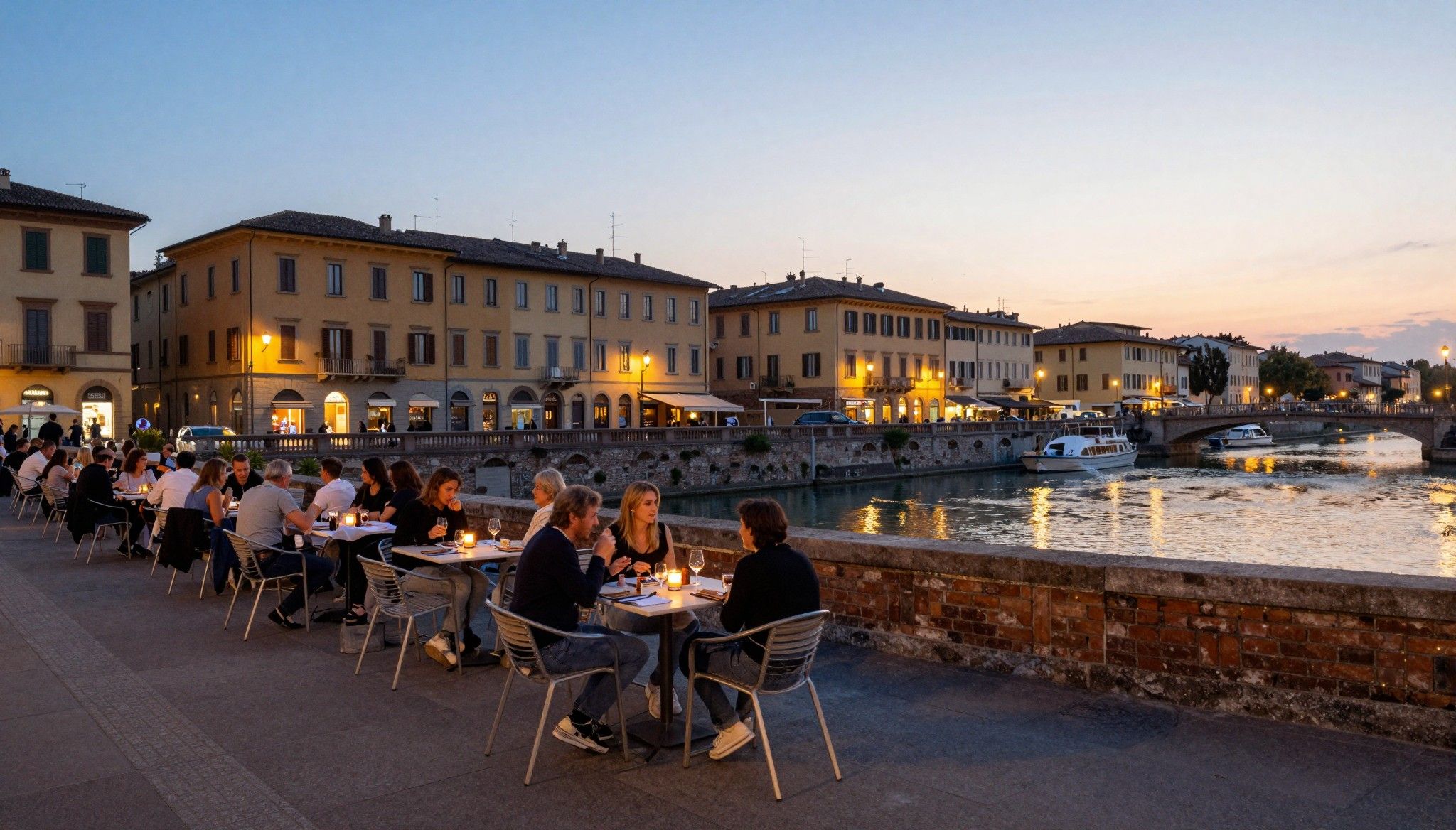
Imagine sipping a morning espresso on via del Corso, watching vendors push crates of fresh artichokes at Campo de' Fiori, then slipping into a quiet palazzo elevator — that slow, textured rhythm is why so many of us fall for Italian city life. But love alone won't stop a poorly written contract. Here's a different kind of city piece: lifestyle first, paperwork second, and a few myths we can quietly dismantle along the way.
Living the Italy city life: sensory first
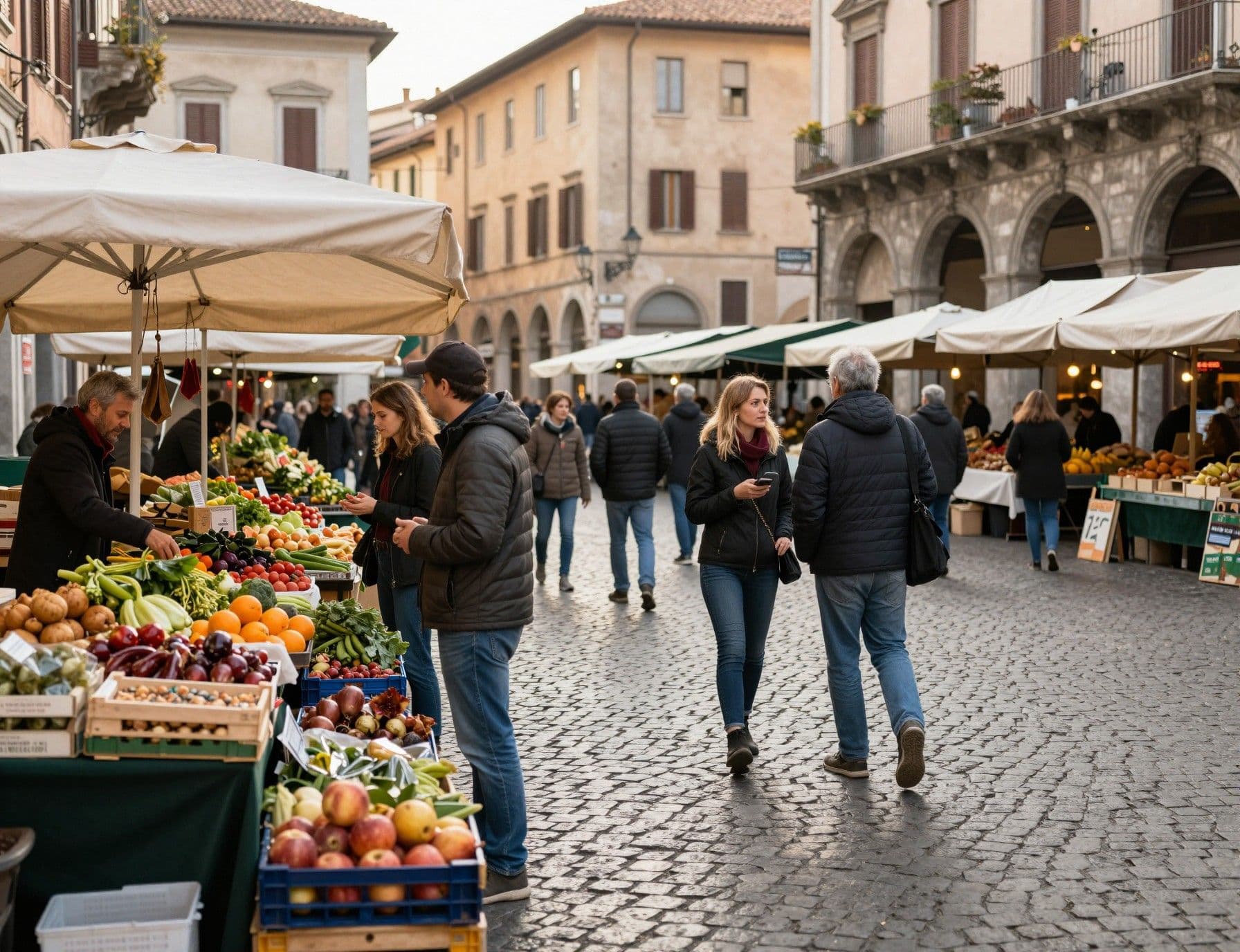
Italy’s urban centres feel lived-in: narrow streets, late cafes, and block-by-block variety. Weather and season shape daily rhythm — gelato kiosks hum in July, while November brings chestnut stalls and quieter plazas. These are not interchangeable European cities; Milan, Rome, Florence and Bologna each keep their own tempo and practical trade-offs for buyers (commutes, building types, heating seasons).
Milan: precision, design, night cafés
Picture aperitivo at Navigli, tram rumbles at night, and modern apartments with underfloor heating — Milan is for people who want efficient services, design-led housing and strong rental demand from professionals and students. Neighborhoods matter: Brera and Porta Romana feel different to Isola and Bicocca; each answers different lifestyle priorities.
Rome, Florence, Bologna: history, scale and walkability
In Rome, life revolves around piazzas and neighbourhood markets: Trastevere for convivial evenings, Prati for calmer residential streets near the Vatican. Florence’s Oltrarno keeps artisans and courtyard living; Bologna’s centro storico is flat, student-rich and eminently walkable. For buyers, that means different property types: compact historic flats in central Rome, taller new-builds in Milan suburbs, and modest palazzina apartments in Bologna.
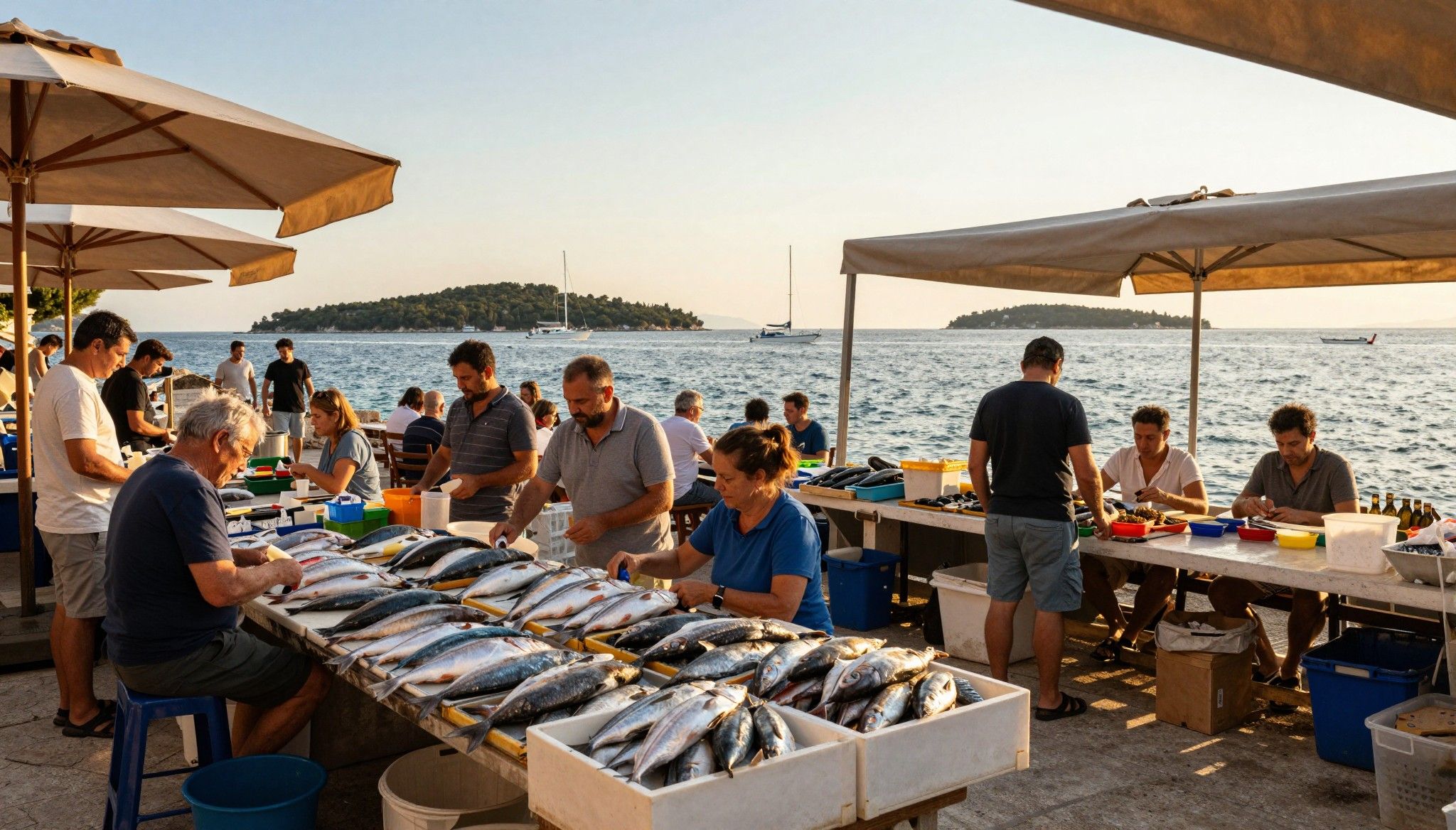
Lifestyle highlights (actual places we love): - Morning espresso at Caffè Sant'Eustachio, Rome - Weekend antiques in Piazza Santo Spirito, Florence - Aperitivo along Naviglio Grande, Milan - Fresh produce at Mercato di Mezzo, Bologna - Sunday seafood at Lungomare Caracciolo markets, Naples
Making the move: lifestyle-driven practicalities
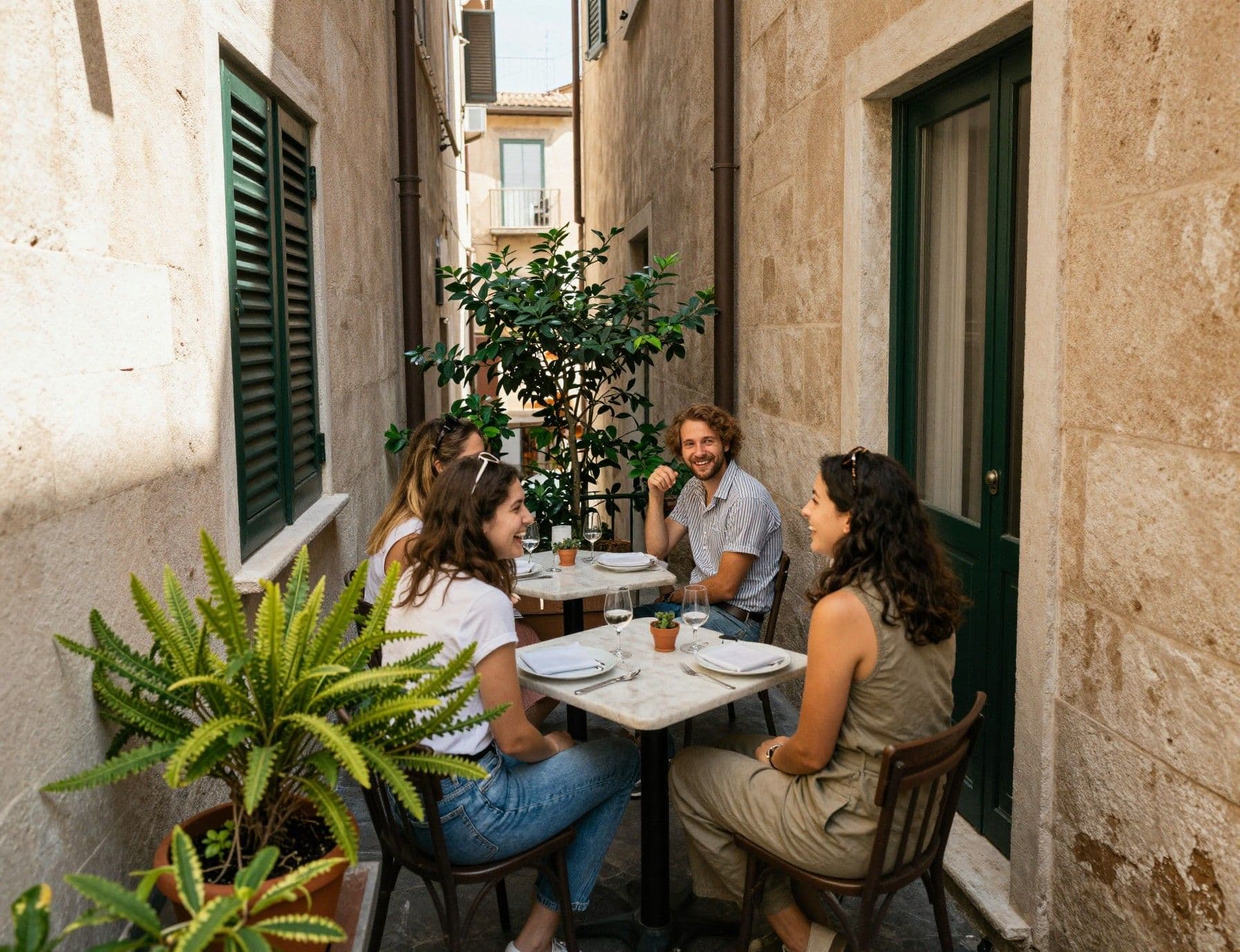
Your dream street sets the starting point — but property condition, heating, and local services decide whether that dream lasts. Recent OMI and ISTAT data show modest, uneven price rises across cities; northern and central hubs are showing stronger momentum than some southern markets. Use market data to pick not just the neighbourhood you love, but the block that will live well year-round.
Property styles and how they shape daily life
Buying a historic flat means character: high ceilings, shutters, and sometimes temperamental heating. Modern apartments offer insulation and lifts but can be further from core social streets. If you imagine weekend markets and balcony breakfasts, prioritize south- or west-facing windows and a small terrace — those features disproportionately affect happiness and rental appeal.
Working with local experts who match lifestyle to law
Step-by-step checklist blending life and logistics: 1. List three non-negotiable lifestyle features (terrace, walking distance to market, natural light). 2. Ask an agent for blocks with those features and recent energy-certificates (APE). 3. Get a survey that flags damp, wiring and heating — these are the unhappy surprises in old buildings. 4. Confirm residency/visa implications early: permit processes changed in 2024–25 and can affect timing. 5. Negotiate timelines in the offer that reflect local notary availability and municipal clearance.
Insider knowledge: the things locals rarely tell you
Expats often say the biggest surprise is seasonality: quiet winters in coastal cities, packed autumn festival weekends, and municipal quirks like rubbish collection times that shape daily life. Also, environmental and flood risk data are beginning to affect pricing in some zones — repeat flood history can shave value in vulnerable coastal strips.
Cultural integration, language and community
You don’t need perfect Italian to feel at home, but learning the rhythms — market days, baristas’ names, local greetings — transforms neighbours into friends. Small language efforts unlock services and better prices: builders, handymen and the local comune respond faster to people who try.
Long-term lifestyle and practical considerations
Think five years ahead: will your neighbourhood attract younger professionals? Is there planned regeneration or a new tram line? Data show investment is rising in major hubs — that can be a reason to buy, but also a reason to be selective about which streets will keep their character.
Practical red flags we always check: - No APE (energy certificate) on file — negotiate or walk away - Unresolved condominium (condominio) debts tied to the flat - Plumbing or electrical updates older than 30 years without paperwork - Streets listed as flood-prone in municipal plans - Inconsistent cadastral (catasto) records between deed and plan
Conclusion: Italy sells a life — piazzas, markets, and a slow attention to good food — but a successful purchase stitches that life to solid local due diligence. Start with the experiences you want (morning market, terrace dinners), use local market data to choose the right neighbourhood and ask your agent for street-level evidence — not just glossy photos. When you pair that romance with checks, the city you fall for becomes the one you actually live in.
Ashworth & DrakeSwedish expat who moved from Stockholm to Marbella in 2018. Specializes in cross-border legal navigation and residency considerations for Scandinavian buyers.
Related Articles
More insights that might interest you
 Villa Curated
 Villa Curated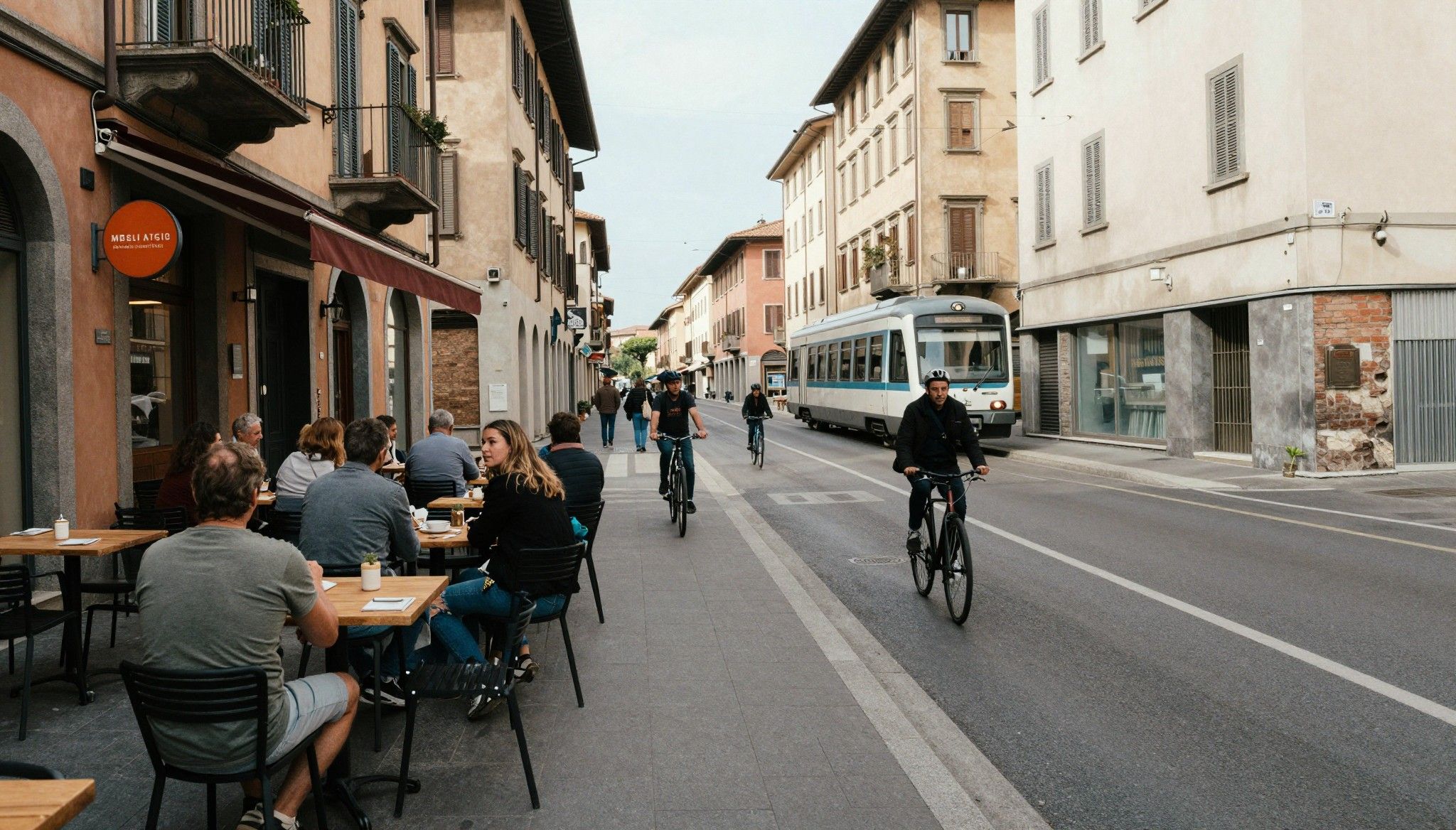
 The Yieldist

