Croatia: A Lifestyle‑First Tax Strategy
A lifestyle-led tax guide to Croatia: how transfer tax, new property levies and capital‑gains rules shape where and how you live on the Adriatic.
 Villa Curated
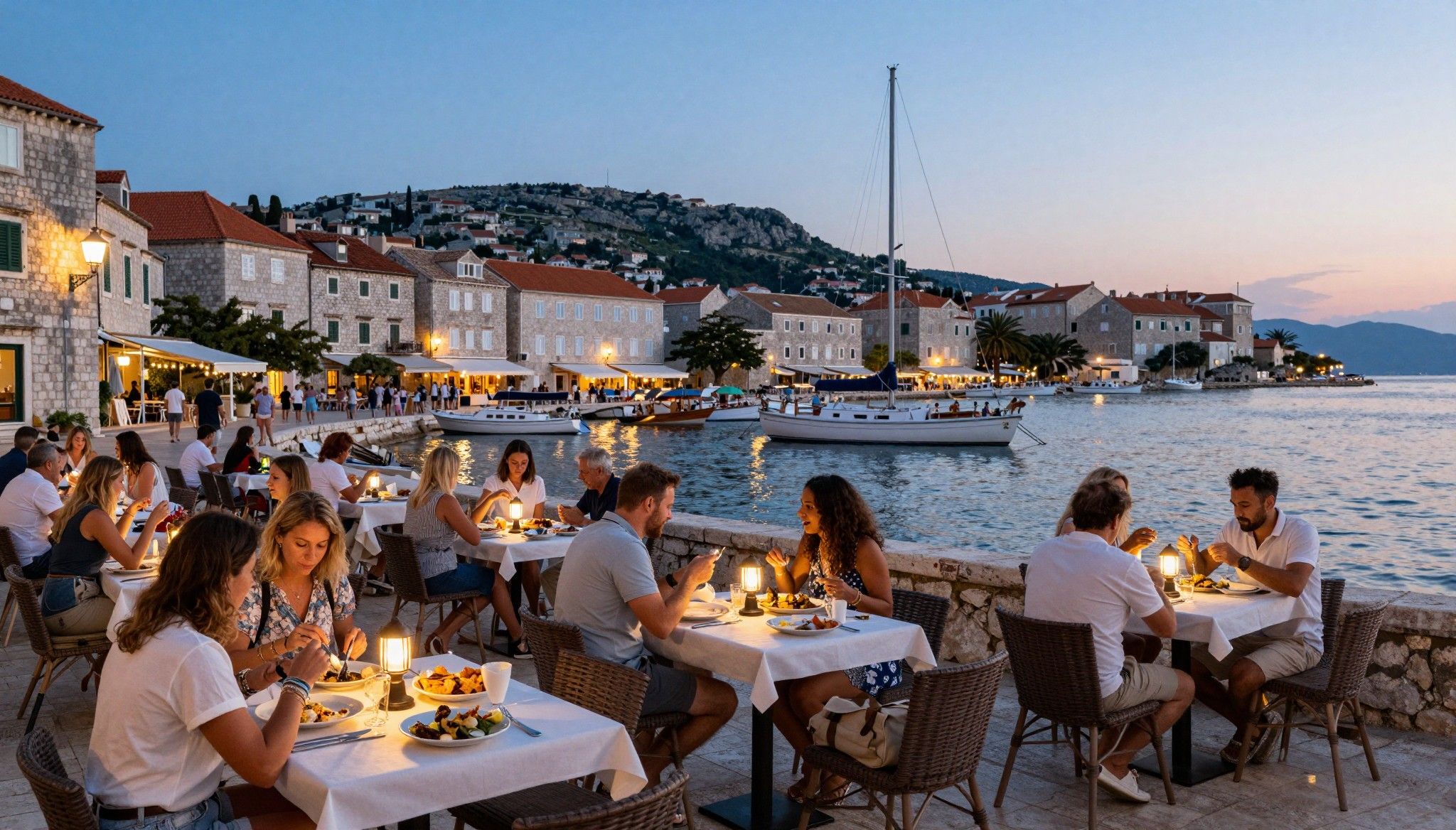
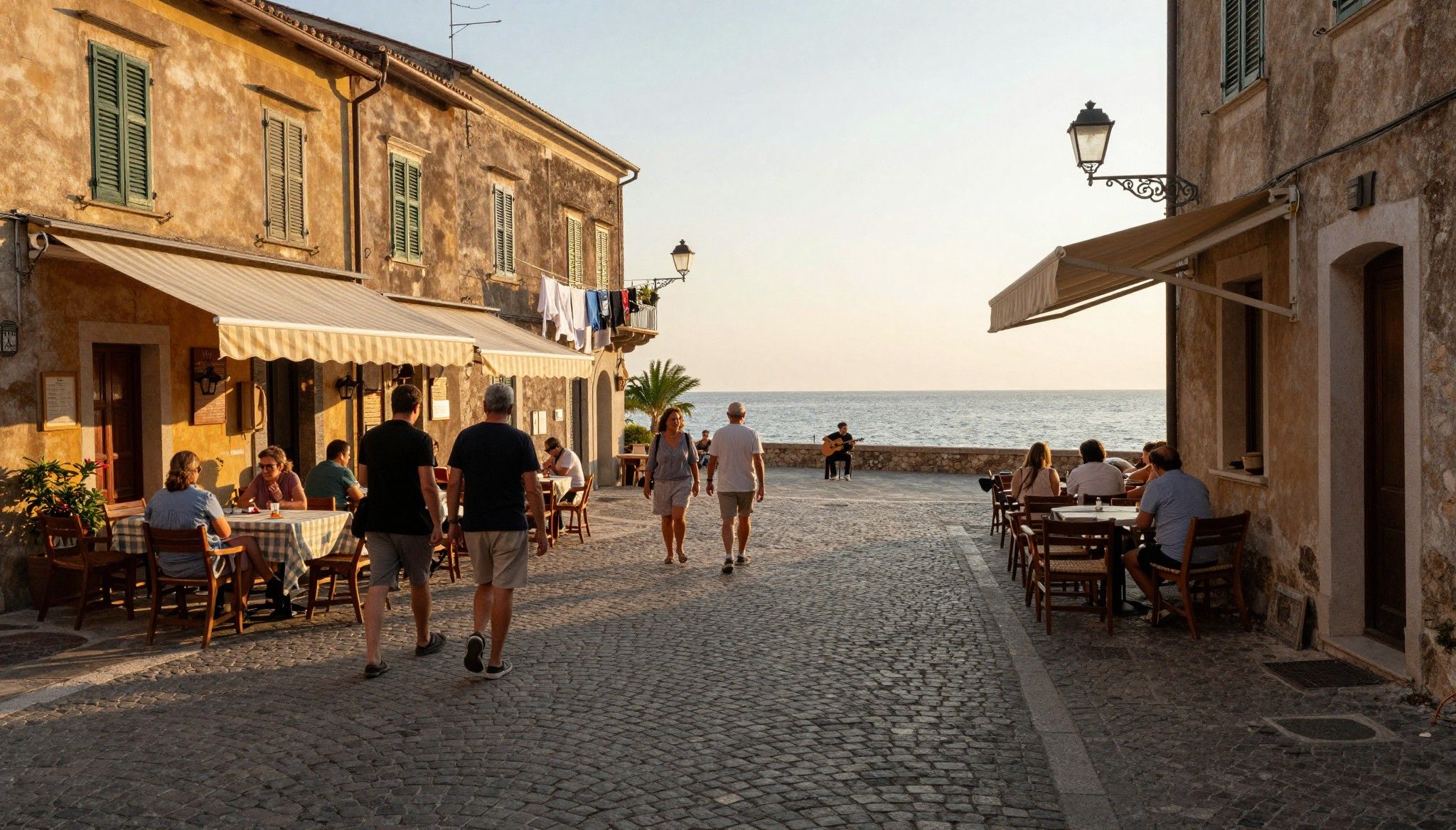
Imagine stepping out of a carved stone doorway on Split’s Marmontova at dusk, the air warm with citrus and espresso, and knowing that the tax choices you make in the next months will shape how long you can keep mornings like this. Croatia’s coast rewards those who understand the rules beneath its sunlit streets: a modest transfer tax, recent property tax reform, and nuanced capital‑gains relief. This piece blends the lived pleasures of Dalmatian life with the taxed realities you will plan around.
Living the Croatia lifestyle
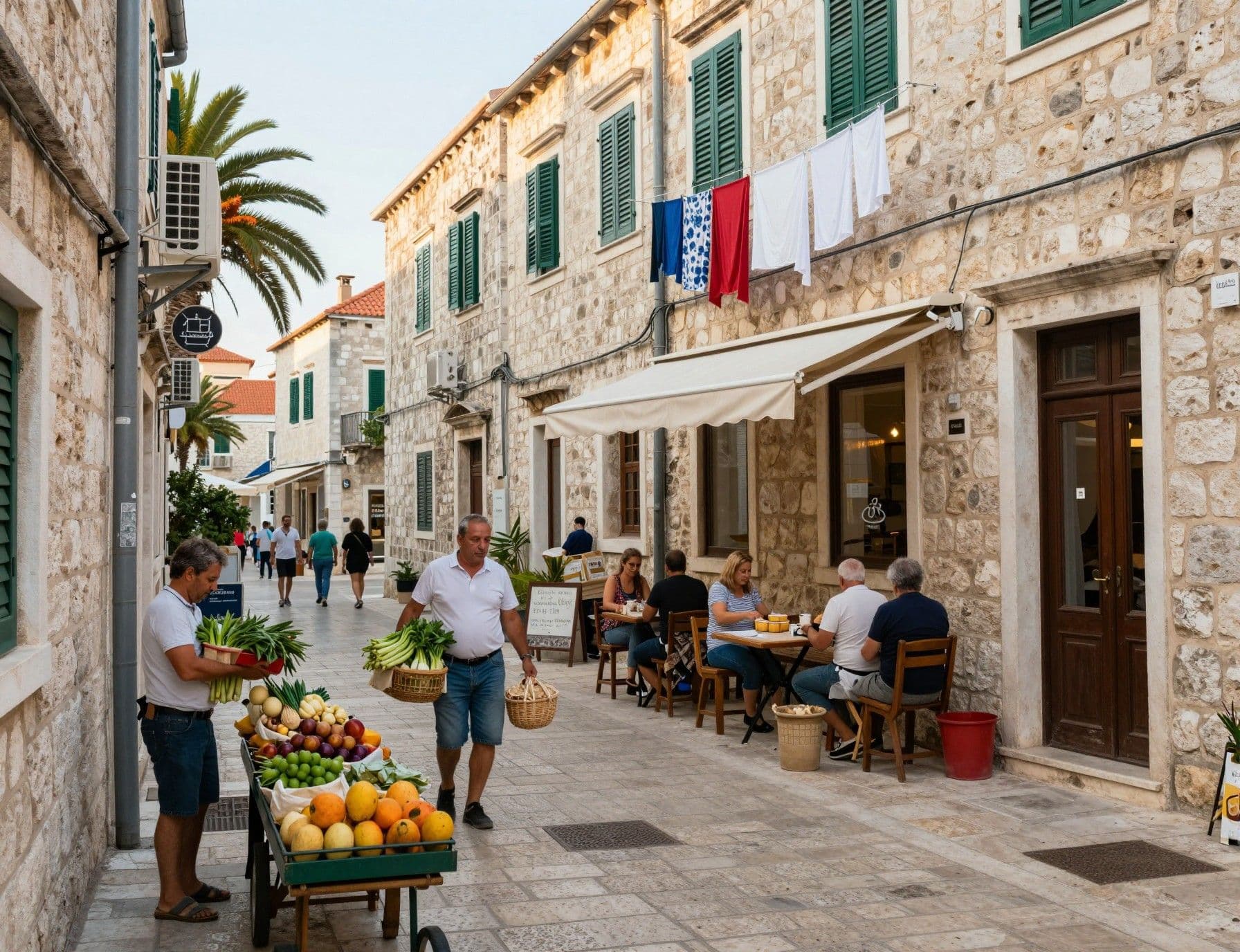
Croatia moves with a Mediterranean rhythm: morning markets that scent the air with basil and fig; afternoons on pebble coves at Zlatni Rat or quiet coves off Hvar; evenings when locals slow into long dinners of squid ink risotto and paški sir. The country’s architecture — Venetian facades in Dubrovnik, austere Austro‑Hungarian blocks in Zagreb, rustic stone houses on the islands — gives each neighbourhood a clear identity that informs where you will want to live, and how you will use a property throughout the year.
Coastal neighbourhoods: rhythm and provenance
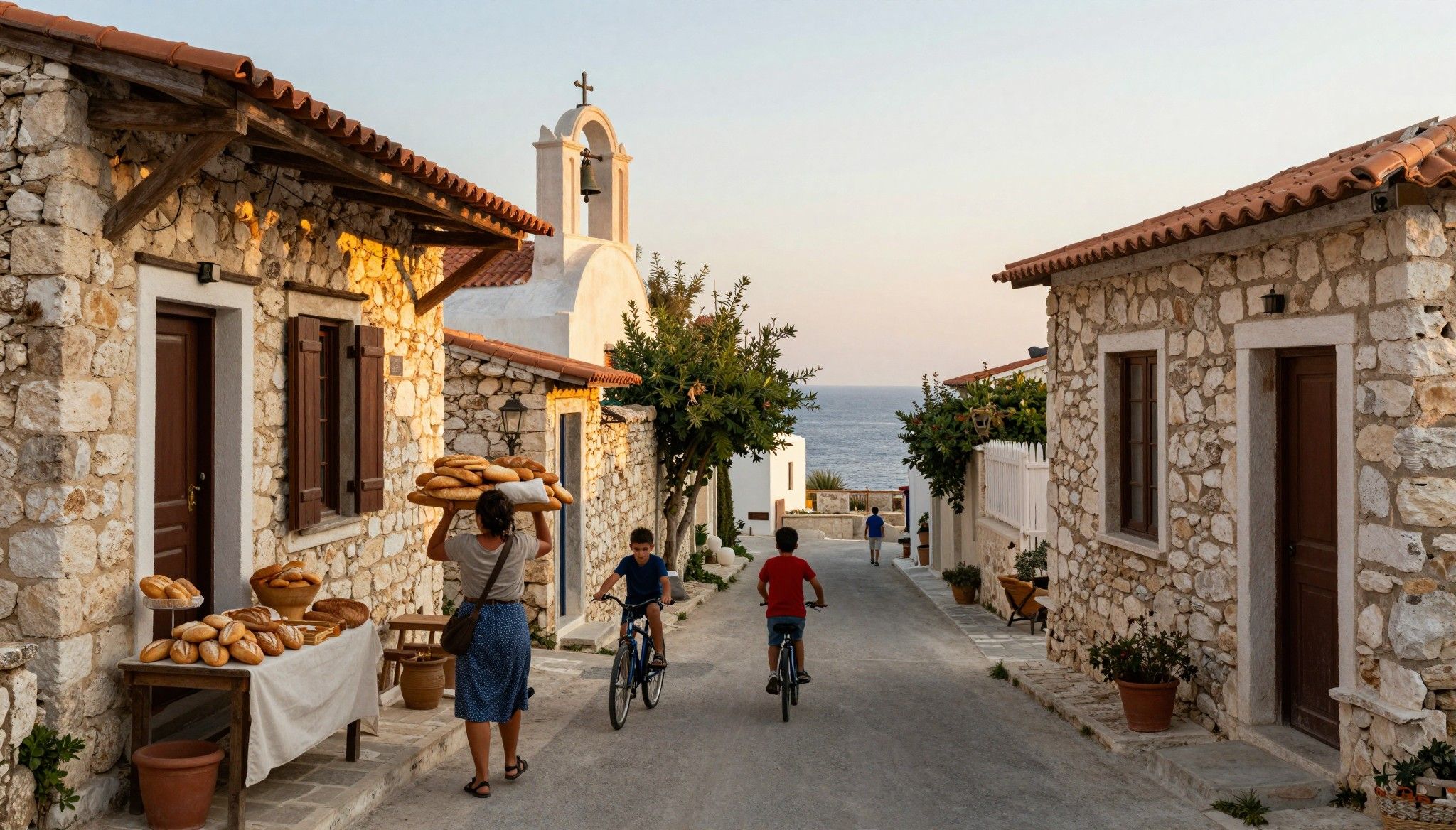
In Split, the Veli Varos quarter offers narrow lanes, morning bakeries and restored stone homes where terraces feel private despite being steps from the Riva. On Hvar, Stari Grad’s low‑rise parcels keep a calm, agricultural feel; Brač’s Supetar has a quieter mainland connection. These are not anonymous resort strips: they are settled places where provenance — a family who’s owned a house for generations, an old olive press converted into a courtyard — materially affects both value and tax treatment when you sell or inherit.
Food, markets and the social map
Life here is mapped by food: Dolac market stalls in Zagreb on a Saturday, the morning fish auctions in Zadar, aperitivi on Split’s harbour. Those rhythms matter for buyers: proximity to a daily market changes how you’ll use a kitchen, and whether a property is classed as a primary residence for tax relief. It is the practical detail — a second‑floor apartment with a small balcony and a market two blocks away — that often defines both pleasure and fiscal outcome.
- Lifestyle highlights: Veli Varos cafés; Dolac market mornings; Hvar’s lavender walks; island ferry routines; Dubrovnik’s early‑hour solitude before tourists arrive.
Making the move: practical considerations
The romance of coastal mornings must be reconciled with transactional reality. Expect a real estate transfer tax commonly cited at 3% of the purchase price for resale properties, variable closing costs and, since 2025, a recurrent property tax framework that municipalities may apply differently. Understanding these headline figures early helps you set a budget that preserves lifestyle choices rather than eroding them during post‑purchase administration.
Property styles and what they actually mean for living
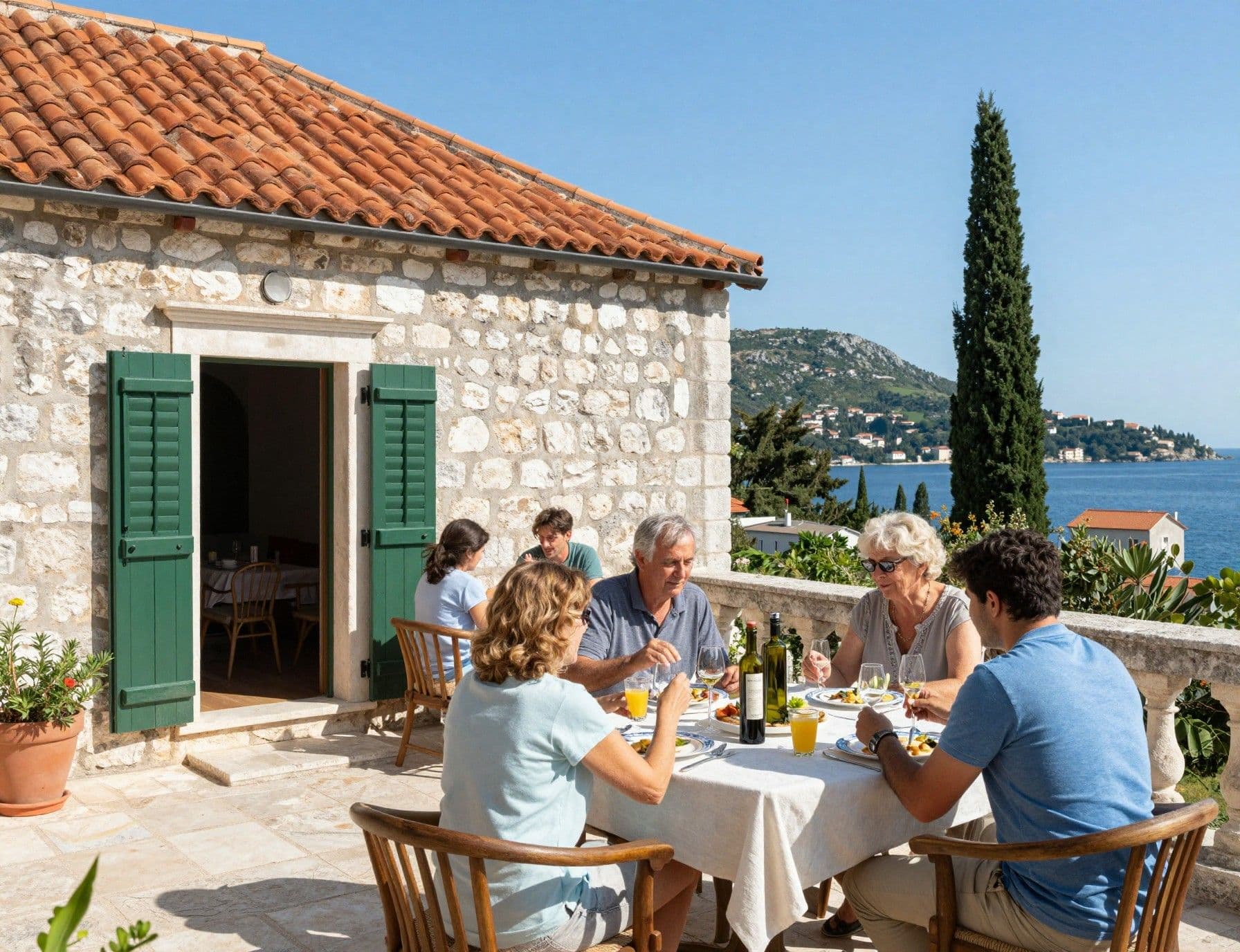
If you favour an 18th‑century stone house in Korčula, prepare for restoration permitting, heritage rules and potentially higher maintenance taxes; a contemporary new build in Rijeka may attract VAT treatment and different transfer exemptions. The style of property shapes tax pathways — whether VAT applies, whether you pay the transfer tax, and how capital gains relief will be judged when you later sell.
Working with local experts who know the lifestyle
A Croatian lawyer and a local agent are more than transaction technicians; they are translators of custom. They will advise whether a purchase is classed as a new build (often VAT‑subject), whether gifting to family triggers exemptions, how to register a primary residence for capital‑gains relief, and how municipal property tax assessments apply to holiday homes. Their counsel preserves the life you want to lead — terrace breakfasts, weekly market visits — by structuring ownership efficiently.
- Steps to align lifestyle with tax strategy: 1) Decide intended use (primary residence, seasonal let, or investment). 2) Confirm whether VAT or transfer tax applies to the exact unit. 3) Arrange registration of primary residence early if you plan to occupy. 4) Budget for municipal property tax and maintenance. 5) Use legal counsel for inheritance and gifting structures to protect provenance.
Insider knowledge: what expats wish they'd known
Experienced buyers say the small administrative choices make enormous lifestyle differences. Registering the property as your principal residence — genuinely living there and updating local registers — can secure capital‑gains exemptions on sale and avoid short‑term sale penalties. Equally, misunderstanding whether a property carries VAT (new builds) or transfer tax (resale) is a predictable and costly error.
Cultural integration and practical daily life
Croatians value personal relationships and punctual bureaucracy. Learn a few phrases, attend a market regularly, and the local clerk will know you — that familiarity smooths permitting and municipal interactions. For families, proximity to a local primary school in a Zagreb suburb or a ferry timetable that suits your weekend routine on the islands will influence both enjoyment and the tax status of the dwelling.
Long‑term considerations: wealth stewardship and resale planning
Treat a Croatian property as an act of stewardship: plan inheritance early, understand municipal property valuations that underpin annual taxes, and keep meticulous records of purchase costs and documented improvements to reduce taxable gains. Small choices today — documenting a roof restoration with proper invoices, registering residency when appropriate — materially reduce future tax friction and preserve the house for the next generation.
- Red flags and practical checks: confirm VAT vs. transfer tax status; verify cadastral parcel data; check municipal property tax rates; insist on full legal title searches; request documented invoices for renovations.
- If you get stuck: 1) Pause and ask for a written tax summary from your lawyer. 2) Request municipal assessment documents in writing. 3) Consider a holding structure only after bespoke tax modelling. 4) Keep living patterns aligned with declared residency if you rely on primary‑residence exemptions.
If the idea of morning markets and late dinners in a stone‑walled town appeals, Croatia rewards careful planners. Begin with a conversation: an agent who respects provenance, a lawyer who understands municipal nuance, and a modest buffer for taxes and upkeep. Do this, and the life you imagined — a terrace at sunset, the island ferry routine, neighbourhood bakers who know your order — becomes not only possible, but responsibly owned.
Villa CuratedRelocating from London to Mallorca in 2014, I guide UK buyers through cross-border investment and tax considerations. I specialise in provenance, design integrity, and long-term value.
Related Articles
More insights that might interest you
 Villa Curated
 Villa Curated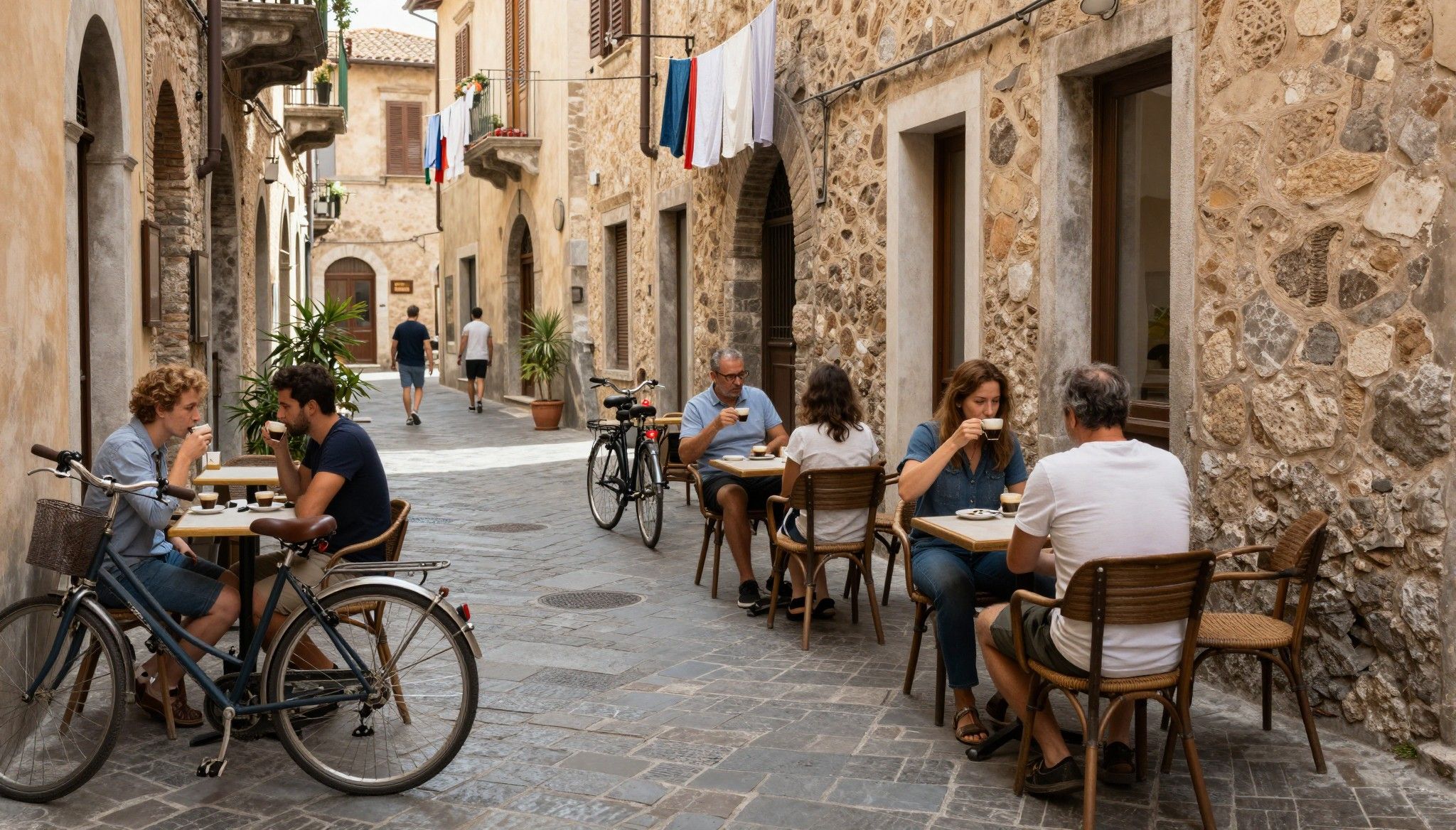
 The Yieldist


