Streets, Not Postcards: Where Value Lives in France
France’s market is stabilising; look beyond postcards to streets where markets, cafés and municipal investment signal true value, backed by INSEE and notary data.
 Blueprintera
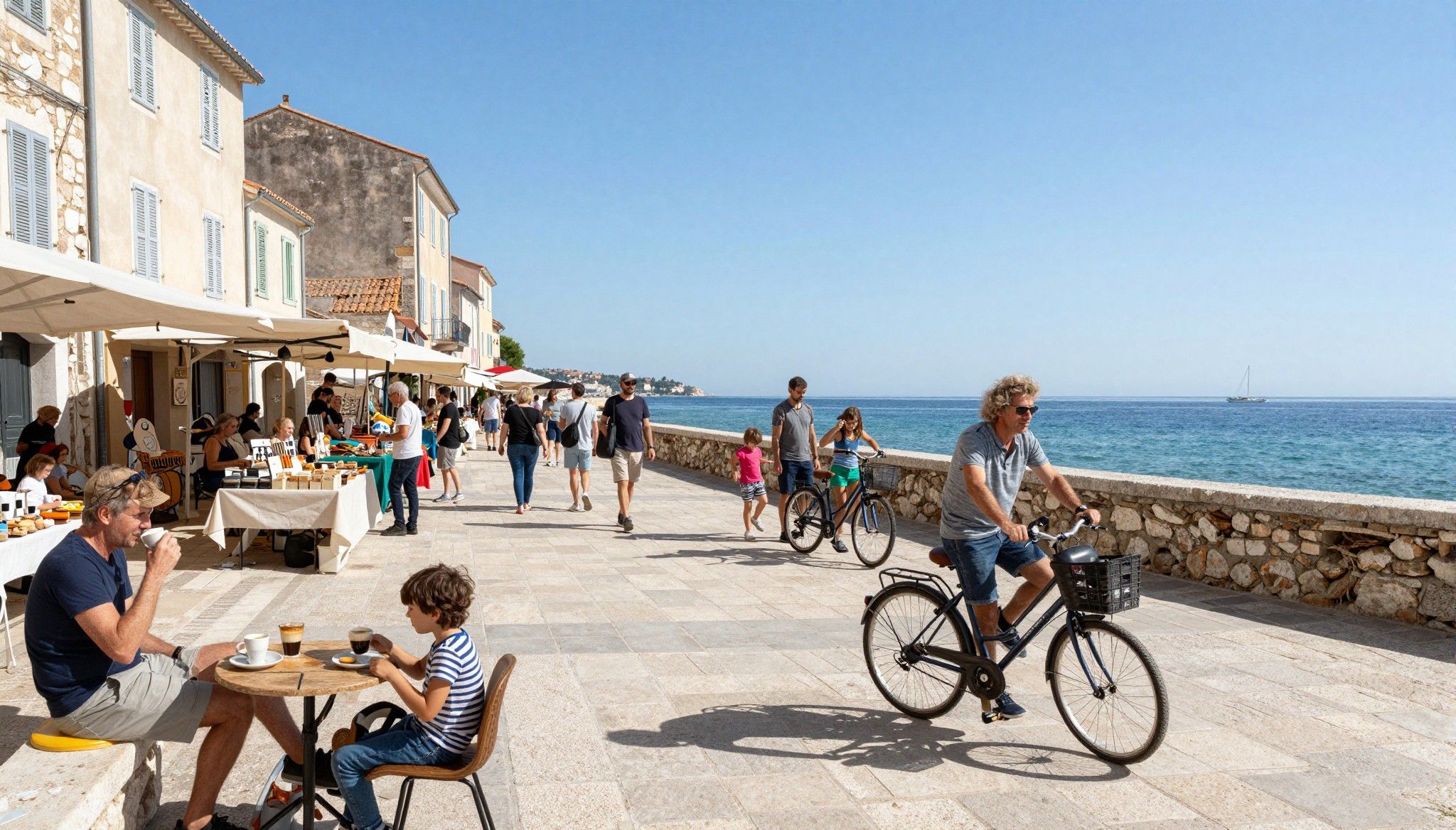
Imagine a Saturday morning in France: the market on Rue Cler hums with farmers, a boulanger offers warm pain au chocolat, and a conversation about school zones drifts from a café table. That scene is why buyers fall in love — yet the national headlines about “expensive France” miss the everyday trade-offs that make value possible. Recent data show prices stabilising after a two‑year correction, which opens pockets of opportunity beyond the obvious coastal postcards. For international buyers, blending these lifestyle scenes with regional price signals is what uncovers the smartest purchases.
Living the France lifestyle
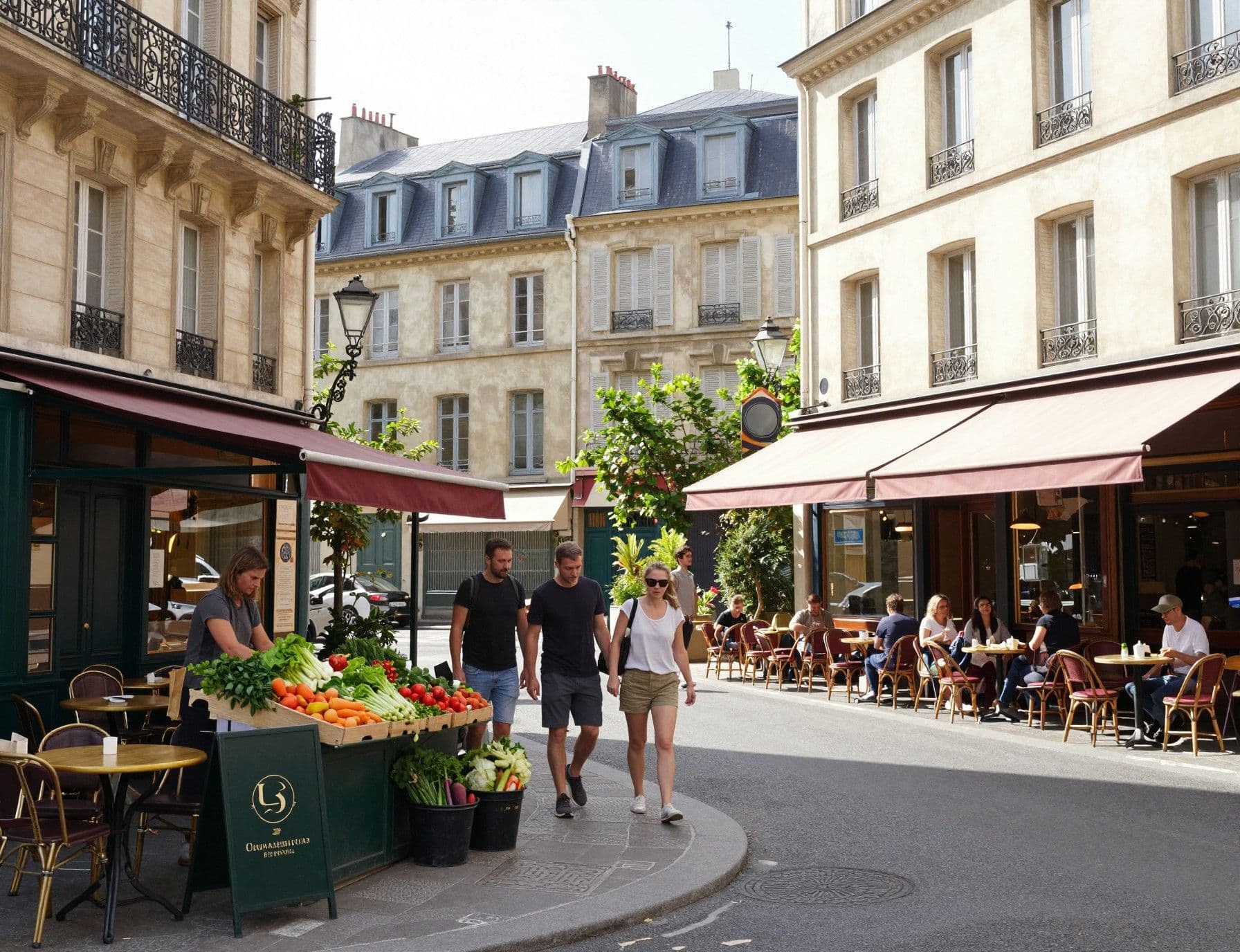
France feels less like a single place and more like dozens of daily rhythms: early espresso in a Marseille quartier, late Sunday markets in Bordeaux, and weekday bike lanes in Nantes. Each rhythm shapes what you’ll value in a home — proximity to a marché, a small terrace for evening meals, or quiet streets for family life. Walk the streets and you’ll notice local markers of quality: independent cafés, boulangeries open before dawn, and municipal parks that host neighbourhood life. Those markers often align with price stability more than the glossy guidebook neighbourhoods do.
Neighbourhood spotlight: Not the postcard arrondissements
In Paris, the most photographed arrondissements attract headlines — but value often hides a few streets away. Look to districts like Ménilmontant (11th) or parts of the 19th where community cafés, local artisans and improving transport links signal slow, steady uplift. Outside Paris, cities such as Lyon (Vieux Lyon fringe), Nantes (Île de Nantes perimeter) and Bordeaux (Chartrons fringe) combine good schools, growing tech hubs and lower per‑m² baselines than central Paris. These are the streets where locals actually buy and where rental demand is resilient.
Food, markets and a social calendar that shapes addresses
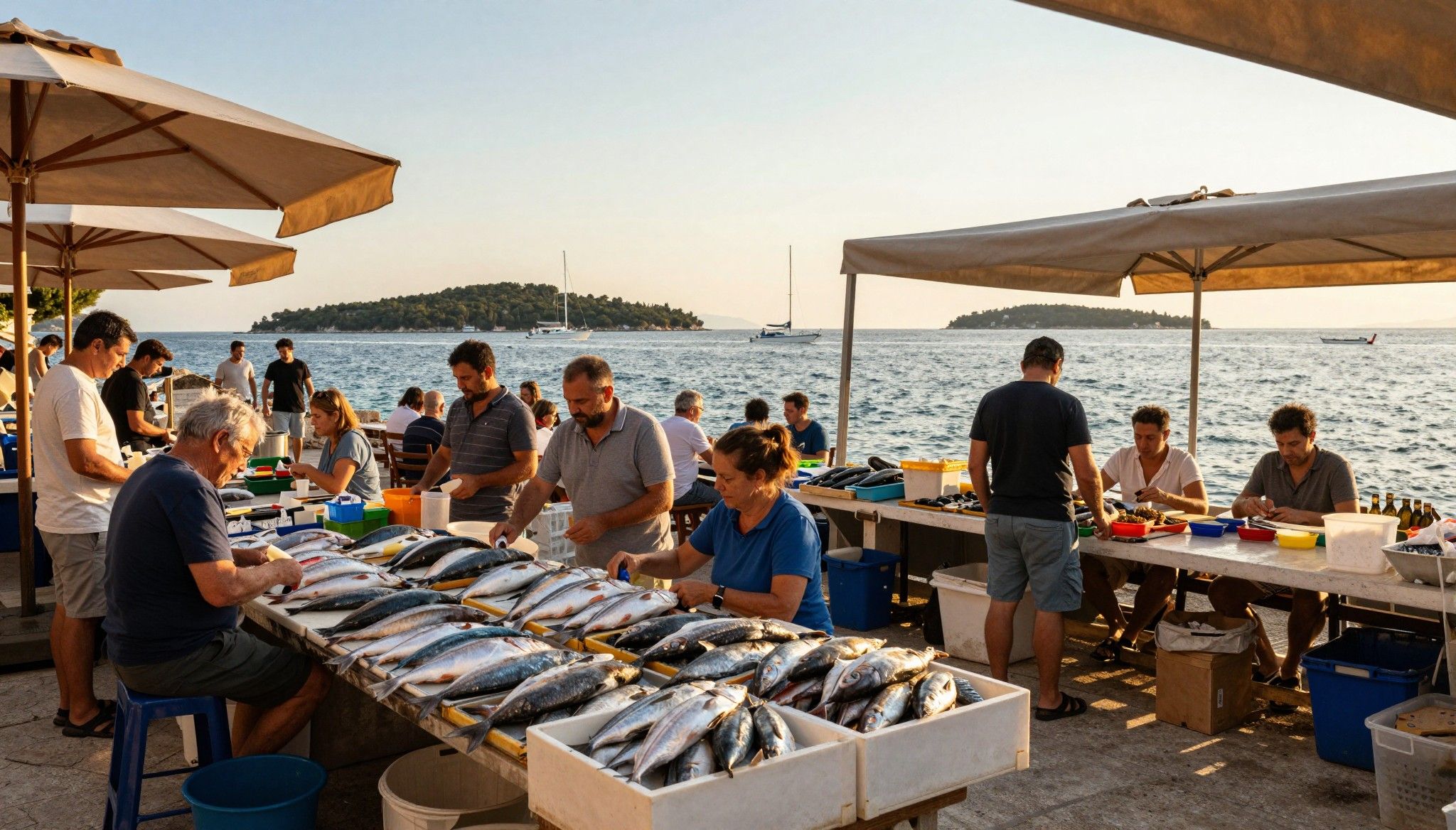
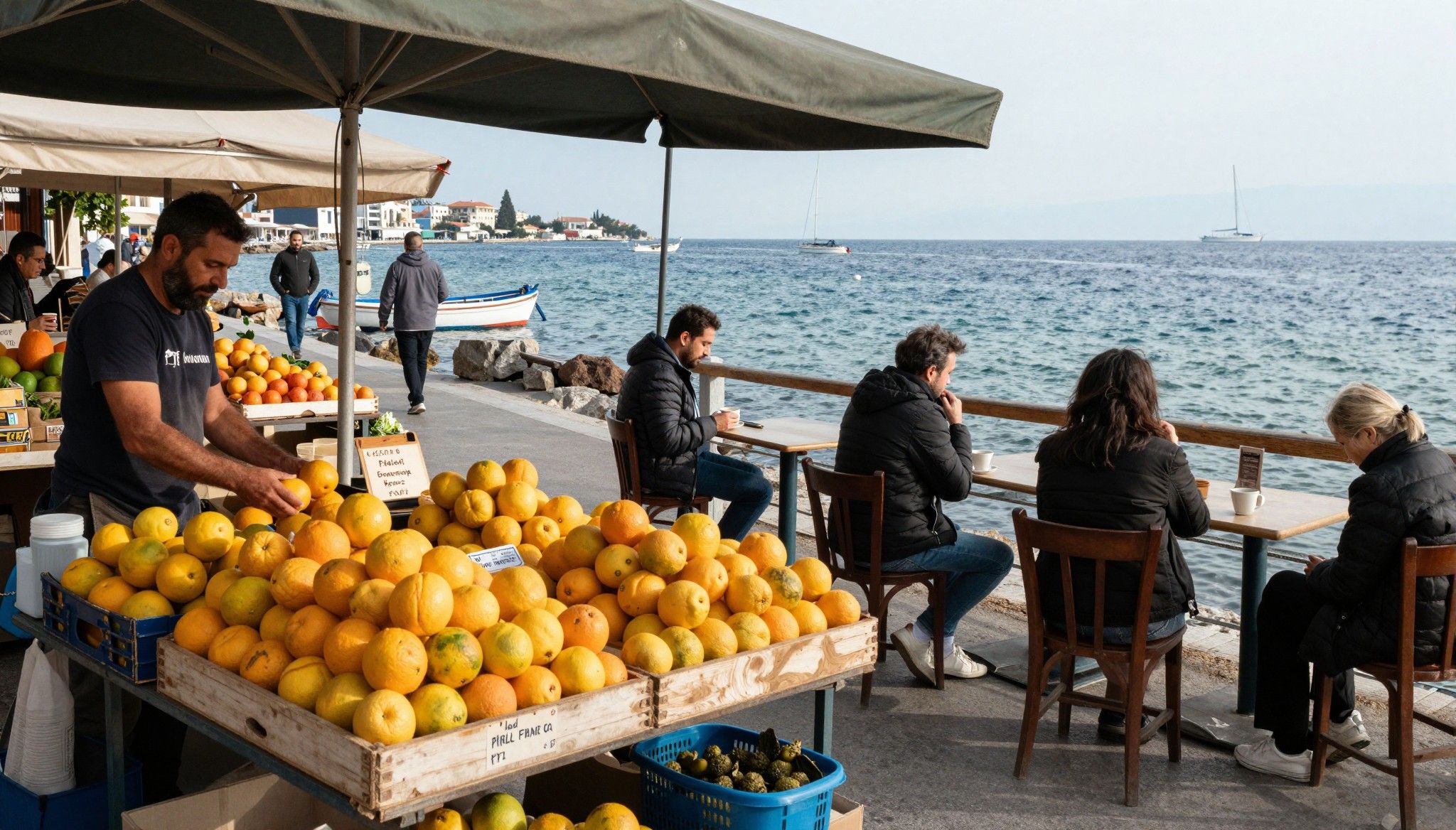
Every buyer who’s fallen for France mentions food and markets first — and these cultural anchors steer property desirability. Weekly marchés, small street cafés and neighbourhood boucheries create footfall that supports long‑term demand even when headline prices wobble. That’s why agency partners who know which streets host the best marchés, like Rue du Faubourg Saint‑Antoine in Paris or Cours Victor Hugo in Lyon, are invaluable: they pair lifestyle fit with transaction history. Transactions nationally picked up in 2025, a signal that lifestyle demand remains intact even as the market normalises.
- Lifestyle highlights to watch when choosing a neighbourhood: • Weekly market that stays busy year‑round (example: Marché des Enfants Rouges, Paris) • A corner boulangerie open morning and evening • Proximity to a tram or RER stop for easy city-centre access • A small municipal park or playground within a five‑minute walk • Local independent shops that indicate a stable resident base
Making the move: practical considerations
Dreams meet contracts at the point of local knowledge. National statistics (INSEE) show prices stabilising after recent correction, but regional dispersion matters: some coastal and provincial markets have recovered faster than inner Paris. That means timing and neighbourhood choice matter more than a broad “buy in France” statement. Work with advisors who can translate macro signals into street‑level probability — which arrondissements are still cooling, and which suburban communes are quietly tightening supply.
Property styles and how they shape daily life
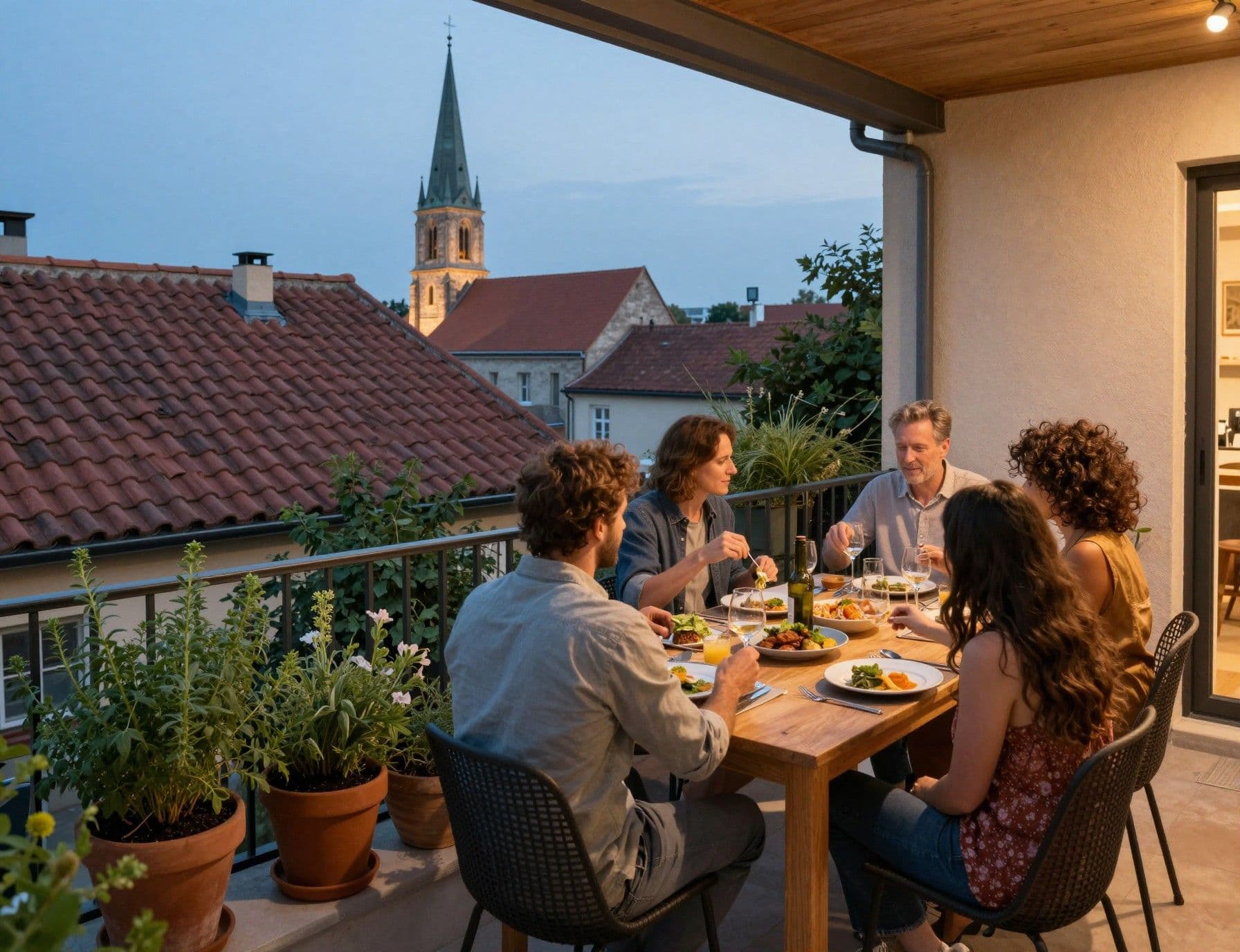
Stone‑built apartment in a 19th‑century block feels different to live in than a new build by the sea. Older Parisian flats offer high ceilings and proximity to services but higher maintenance; provincial townhouses come with gardens and local community but may need insulation upgrades. On the coast, modern developments deliver terraces and parking — valuable for seasonal rental — while inland properties reward buyers seeking space and privacy. Match the building fabric to how you intend to use the home: year‑round living, holiday lets, or a hybrid.
Working with local experts who know the life, not just the law
A good local agency is a lifestyle curator and a risk manager. They can point to streets with stable rental demand, advise on year‑round community life, and flag micro risks such as seasonal noise or traffic that matters to everyday living. For investors, yield expectations in France are moderate — prime markets show lower gross yields but stronger capital security — so agencies with city and regional data (transaction history, occupancy patterns) are critical. Choose partners who explain trade‑offs in human terms: how a morning commute will feel, not just how many euros per square metre.
- Steps to align lifestyle with market reality: 1. Visit neighbourhoods at different times (market morning, weekday evening, Sunday noon). 2. Ask local agents about long‑term residents versus short‑stay tourism pressure. 3. Check transport links and school catchment areas for future resale demand. 4. Compare transaction volumes and price evolution using INSEE/Notaires data. 5. Build a renovation buffer if buying older stock — factor in insulation and wiring works.
Insider knowledge: what expats wish they'd known
Expat buyers often learn three hard truths after moving: the rhythm of daily services matters as much as the view; seasonality affects rentalability; and local communities determine long‑term happiness. Many wish they'd scouted small services — a nearby pharmacy open evenings, a reliable baker, or a safe park for children — before signing. The clearer you are about the life you want, the better your bargaining position: agents prioritise buyers who can describe lifestyle fit rather than just square metres.
Cultural integration and everyday social life
Learning a little French goes a long way: shopkeepers, building concierges and neighbours respond to effort and curiosity. Community life in France can be subtle — an invitation to a local fête, a regular café table, or a market stallholder’s recommendation opens social doors. Expat enclaves exist, but the richest experiences come from mixing in local life; properties near multi‑use public squares and municipal facilities often provide faster integration.
Long‑term lifestyle: how places change (and where to read the signs)
Watch for practical signs of neighbourhood evolution: sustained new café openings, public investment in transport, and a steady stream of renovation permits. These indicators often precede steady price appreciation, whereas short‑term tourist booms can reverse quickly. Use local planning portals and notary transaction files to read these signals — and discuss them with an agent who can turn municipal plans into a living forecast for your day‑to‑day life.
- Red flags and subtle risks to check in person: • A high proportion of short‑term rentals on your street (seasonal noise and lower community cohesion) • Persistent vacancy signs in nearby buildings (possible economic decline) • Over‑reliance on tourist trade for local shops • Buildings with deferred maintenance but low asking prices (hidden renovation costs) • Streets with poor winter sun exposure if you prioritise terraces and gardens
Conclusion: France rewards curiosity. The market’s recent stabilisation means opportunities now hide in lived‑in streets rather than headline districts. If you prioritise the rhythm of daily life — markets, neighbours, transport and small local services — you’ll find properties that deliver both a rich French life and sound investment logic. Start by visiting the neighbourhood at multiple times, bring a local expert who knows the streets, and use official data to back your intuition.
BlueprinteraSwedish strategist who relocated to Marbella in 2018. Specializes in legal navigation and tax planning for Scandinavian buyers.
Related Articles
More insights that might interest you
 Villa Curated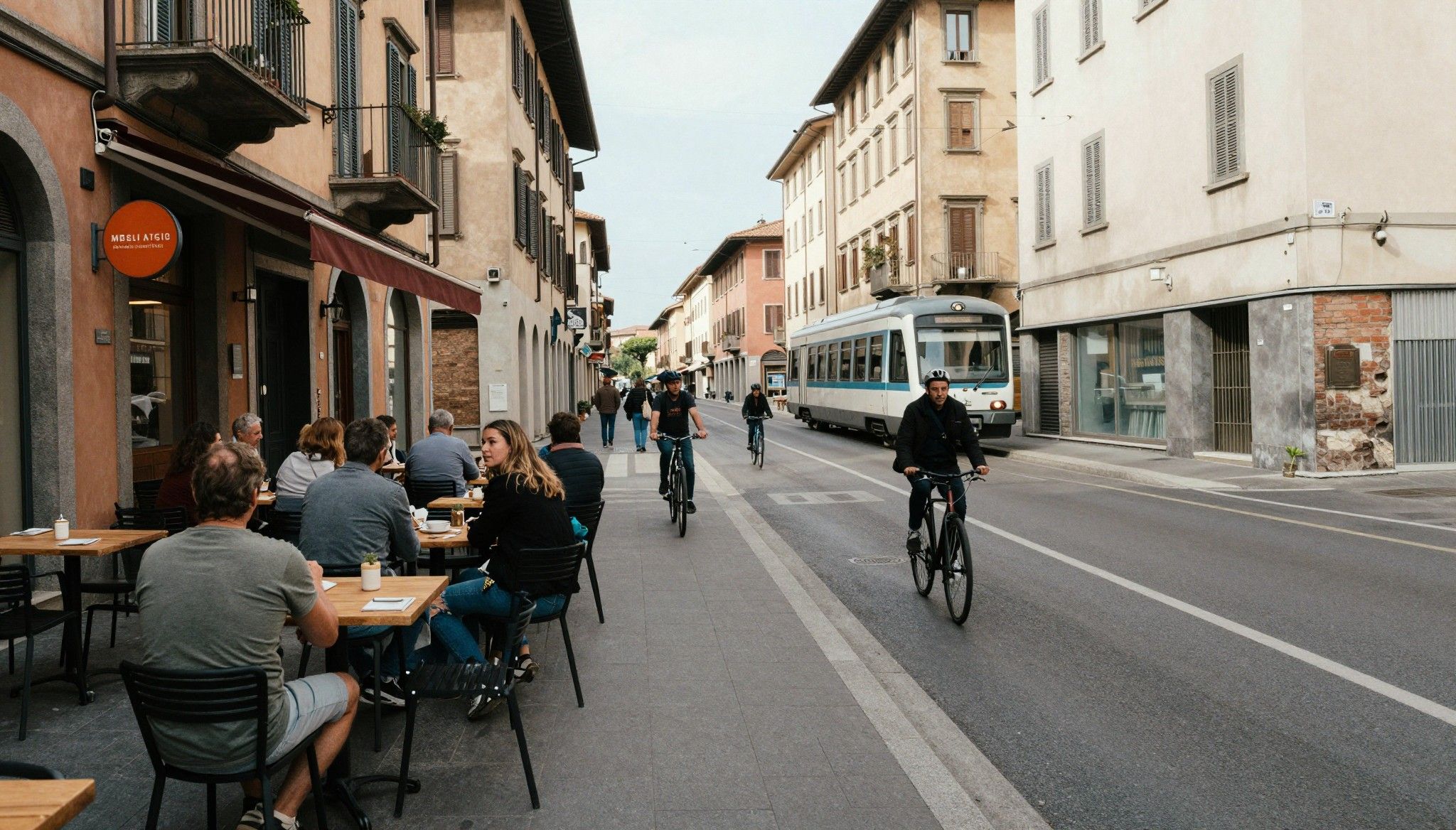
 The Yieldist
 The Yieldist

