Small‑City New Builds That Outsmart Paris Prices
Regional new builds in France often deliver better lifestyle value than Paris—construction scarcity is reshaping pipelines and opening smart entry points in provincial cities.
 Blueprintera
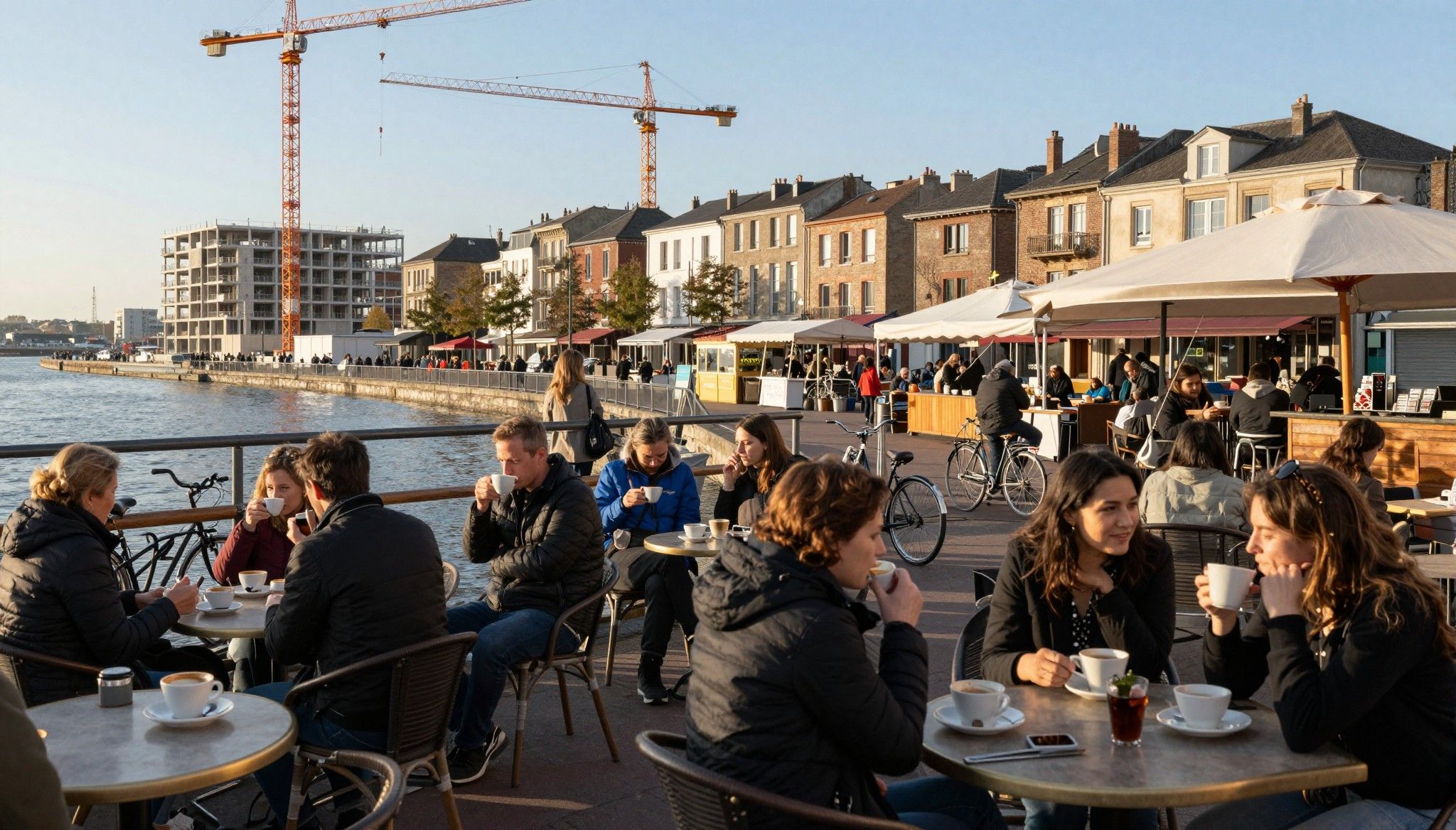
Imagine stepping out at dawn to buy warm pain au chocolat on Rue Sainte‑Catherine in Bordeaux, then taking a late afternoon stroll along Nantes’ Île de Nantes — the mornings smell of coffee and brioche, afternoons hum with renovators and new‑build cranes. France lives in contrasts: centuries‑old façades beside contemporary developments, provincial calm sitting within easy rail reach of Paris. For international buyers this is seductive — and also misleading if you assume every French market behaves like Paris. Recent French housing data shows construction and new‑build activity have tightened, shifting opportunity away from the capital to regional new‑build pipelines where value and lifestyle align.
Living the French life — beyond Paris postcards
France is not a single lifestyle: it’s boulangeries at 07:00 in Lyon, oyster stalls at Cap Ferret, midweek markets in Annecy and late‑night terrace life on the Côte d’Azur. Daily rhythm depends on where you put down roots — a 3‑room apartment in Rennes means market mornings and short tram commutes; a contemporary duplex in Montpellier often comes with sunlit terraces and easy weekend flights to major European hubs. These differences shape what new‑builds need to deliver: community gardens and energy retrofits in smaller cities, sound insulation and storage solutions near transport hubs, or secure concierge services in prime coastal blocks.
Where locals actually live: regional neighbourhoods worth knowing
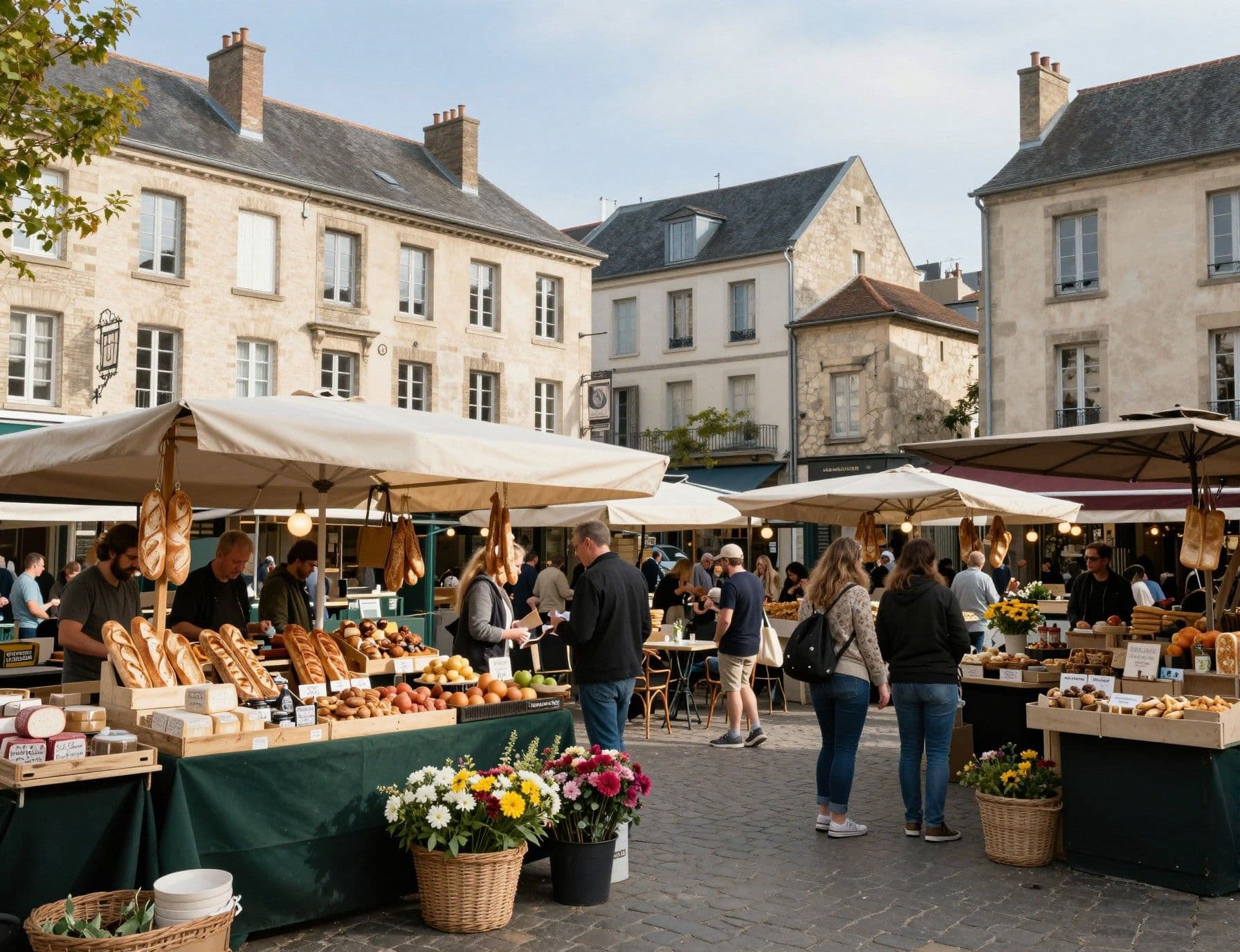
Look beyond obvious attractions. In Lyon, Croix‑Rousse retains a village energy with artisans and morning markets while Confluence offers modern waterfront living and new developments aimed at families. In Bordeaux, the Chartrons district sits between wine boutiques and modern riverside projects; in Nantes, Bouffay’s medieval lanes meet new mixed‑use quarters on Île de Nantes. These are streets where locals buy and developers quietly plant the next generation of new builds — often with lower per‑m² entry points than central Paris and stronger immediate rental demand for short‑to‑mid term rentals.
Food, markets and pace: day‑to‑day signals of value
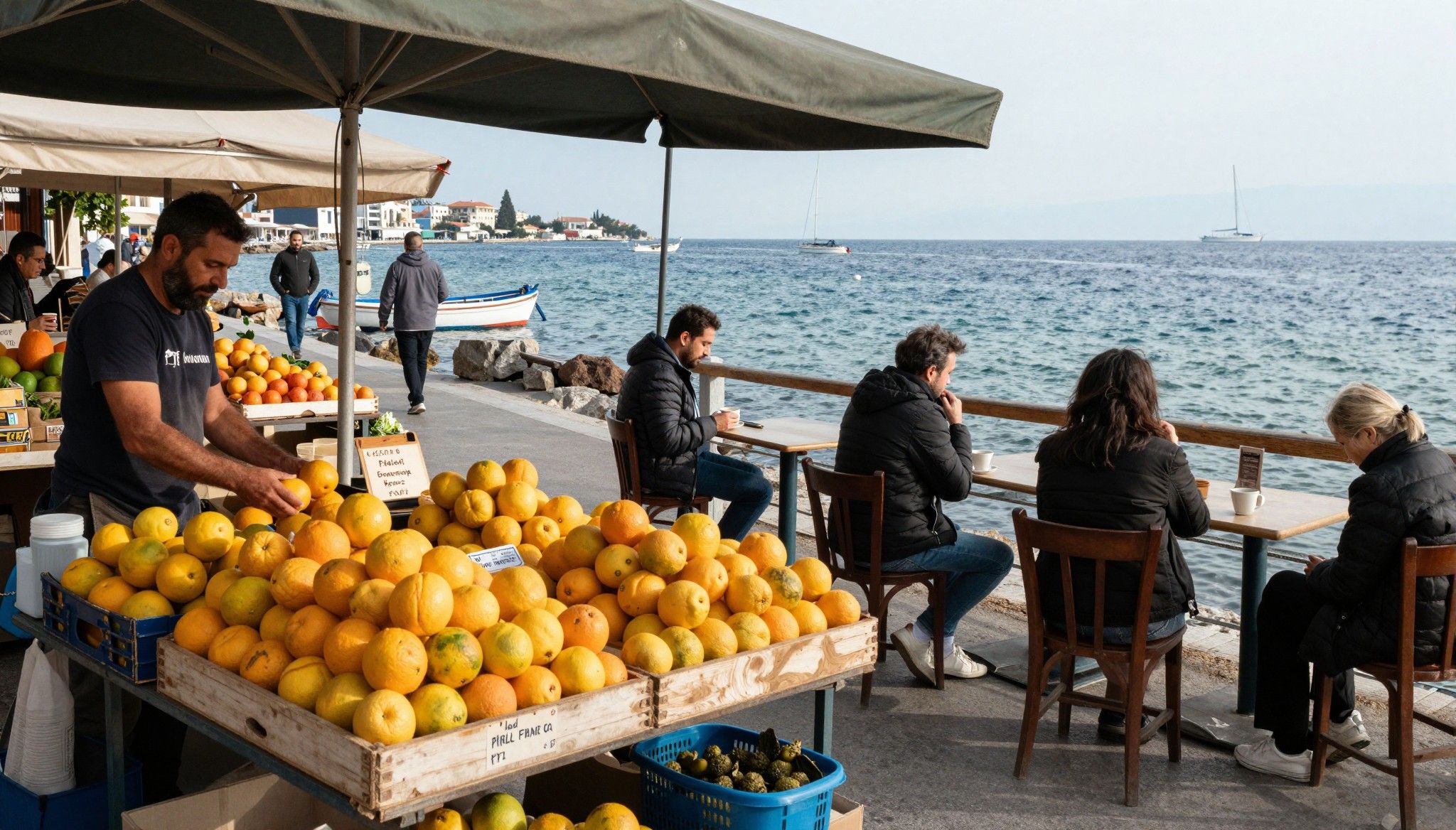
Taste is a practical market test. A buzzing market (Marché des Capucins, Bordeaux; Marché Talensac, Nantes) signals footfall and services that sustain year‑round demand. Coastal towns that peak only in July and August may show seasonal price spikes; by contrast, Rennes and Lyon have steady local economies and student populations that keep occupancy high and reduce vacancy risk for new developments. When you evaluate a pipeline, watch the market calendar — weekly markets, university term dates and festival seasons all create predictable demand pulses for both living and renting.
Making the move: what the new‑build pipeline really means
Construction in France has slowed markedly: national statistics and industry reports document a sharp fall in housing starts and a strained new‑build pipeline. That scarcity influences developer pricing, phasing and the types of incentives offered — from guaranteed rental management to energy‑efficient upgrades. For buyers that means two things: regional new builds may offer a better lifestyle‑to‑price ratio, and pre‑launch opportunities (off‑plan reservations before a development sells out) can unlock lower effective prices if you accept longer delivery timelines.
Property styles and how they shape daily life
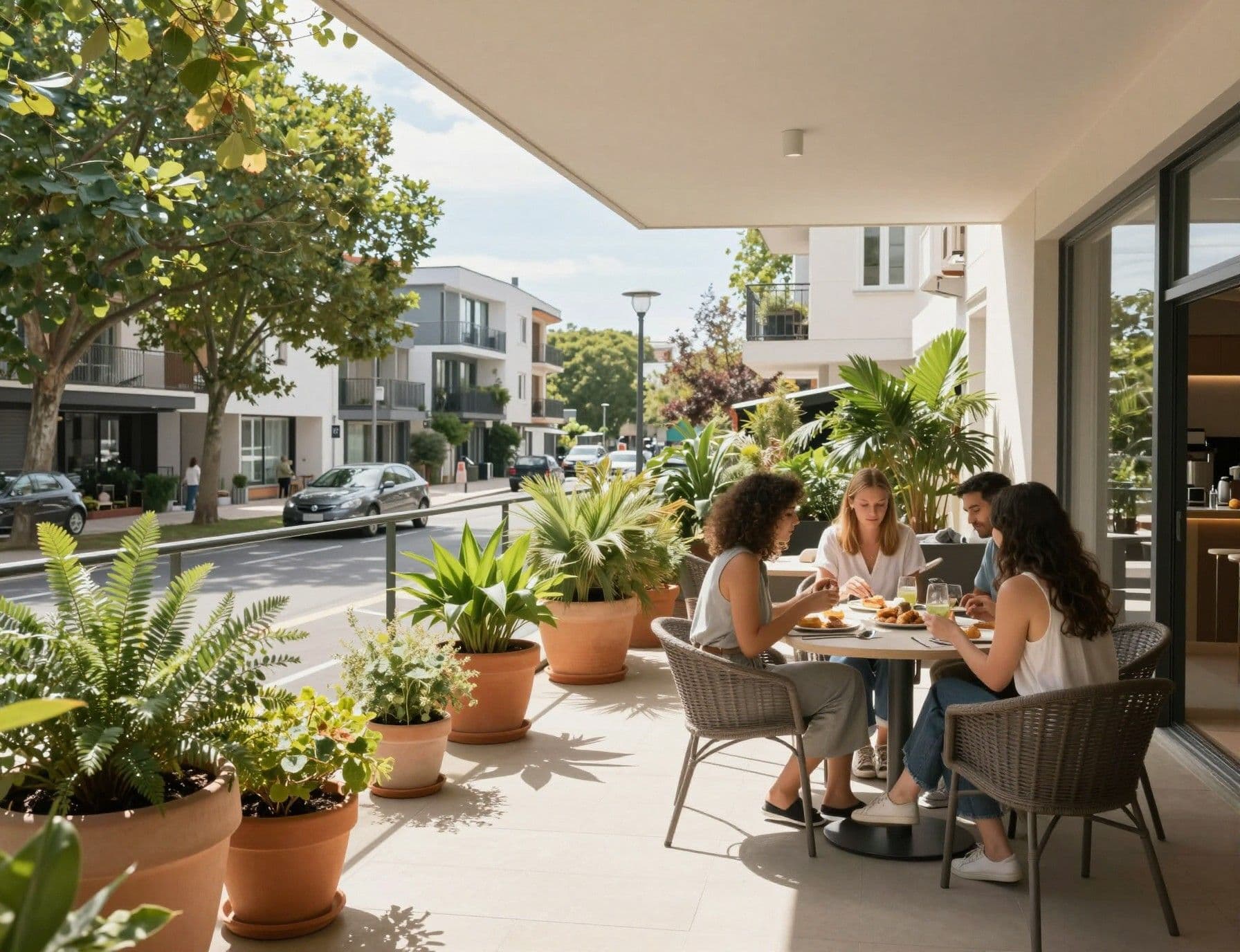
New builds in France range from low‑rise courtyard blocks in provincial centres to sleek mixed‑use towers by waterfronts. If you want morning markets and a pedestrian life, prioritise low‑rise projects near historic centres; if you favour beach life, look for developments that include private storage for equipment, efficient ventilation and summer shading. Practical features like separate laundry rooms, secure bike storage and double‑glazing matter more in daily life than grand lobby finishes — but developers don’t always advertise them prominently.
How local experts help marry lifestyle and pipeline data
Work with agents who track municipal planning and energy performance certificates (DPE) — they reveal upcoming roadworks, tram extensions and heating upgrade obligations that change demand. Ask for delivery‑phase heat‑maps showing construction noise windows and phasing that affect early occupancy. Request comparable reservations in the same developer pipeline to judge resale prospects. These steps merge the lifestyle you seek with credible pipeline intelligence and reduce surprises at handover.
Insider knowledge: what expats wish they’d known
Expat buyers often expect Parisian returns and Riviera glamour; instead many discover quieter regional markets deliver better quality of life and clearer long‑term value. A common regret is underestimating seasonal rhythm: coastal towns can feel deserted off‑season, and small city centres can transform by weekday and weekend. Another surprise: energy performance rules and renovation expectations are stricter now — older properties may need costly upgrades, making new builds appealing for hassle‑free living.
Practical red flags to spot in a new‑build reservation
- Unclear handover guarantees or open‑ended completion dates; small developer balance sheets without local references; planned adjacent projects that change sunlight or outlook; ambiguous common‑area charges; lack of energy performance details (DPE).
Longer view: how lifestyle evolves after you move
After the first year most buyers talk about integration: a favourite boulangerie, the person at the market stall who remembers your order, a local apéro group. Regionally, municipal regeneration projects — tramlines, riverfront promenades, cultural hubs — can materially improve daily life and capital appreciation. Track municipal planning documents and speak to local associations early; lifestyle improvements often precede price movement and can point to the best pipeline investments.
- Practical next steps (a short buyer checklist): 1) Visit neighbourhoods outside peak tourism season to sense true rhythm; 2) Ask developers for completion insurance and a clear penalty schedule; 3) Verify recent comparable sales with a notaire or local agent; 4) Factor in DPE and likely retrofits for older units; 5) Reserve through an agent who understands local rental demand if you plan to let.
France offers a palette of lives: provincial calm, coastal conviviality, alpine weekends and metropolitan convenience. For international buyers, the smarter move is often to follow lifestyle signals and pipeline data to secondary cities and emerging neighbourhoods rather than competing in Paris. These markets combine tangible daily pleasures — markets, cafes, accessible countryside — with new‑build pipelines that can offer better value and lower execution risk. Start with short exploratory trips, brief your agent on lifestyle priorities, and treat pipeline intelligence as your lifestyle underwriter.
BlueprinteraDanish relocation specialist who has lived in Barcelona since 2016. Helps families move abroad with onboarding, schooling, and local services.
Related Articles
More insights that might interest you
 Villa Curated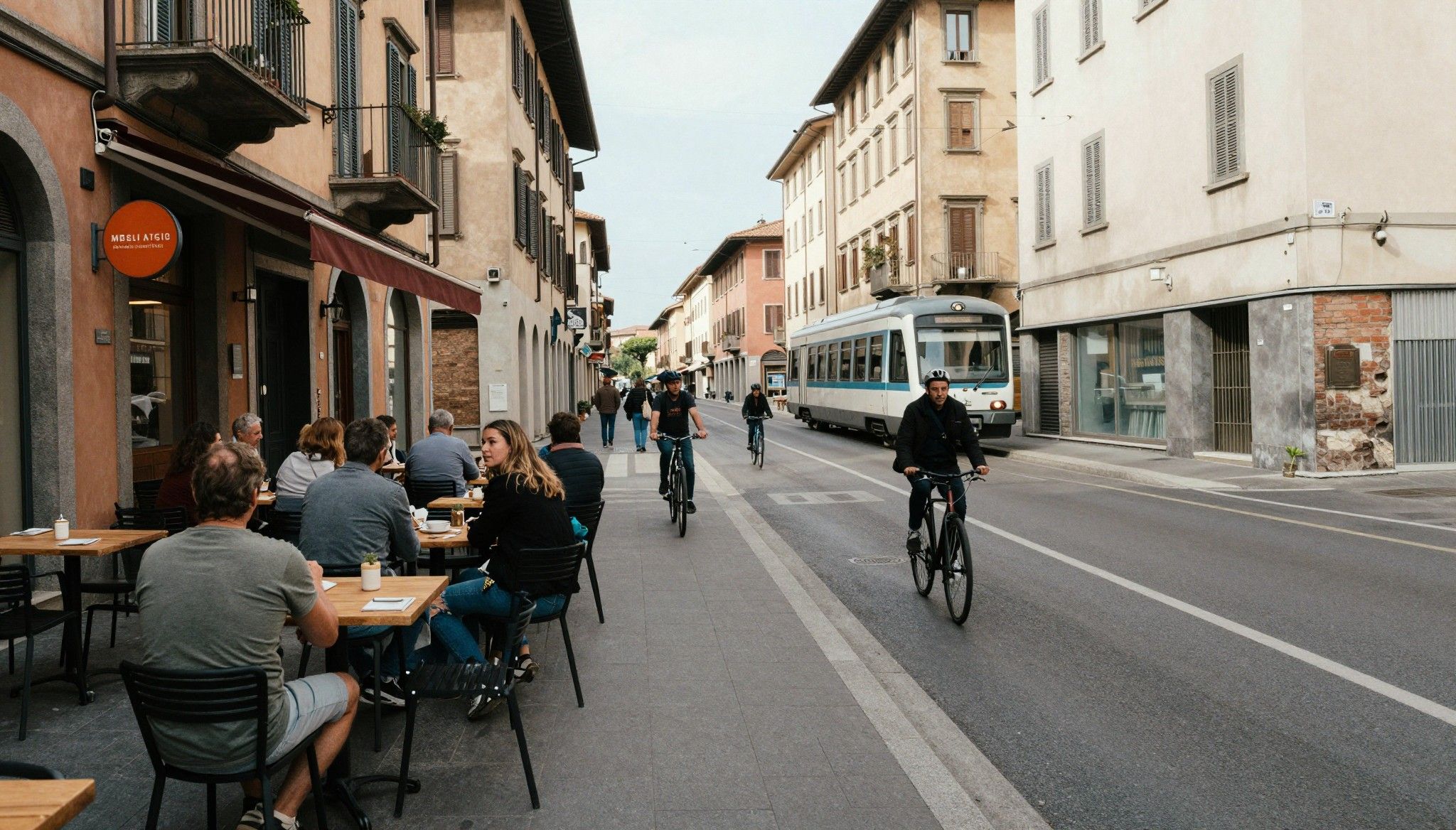
 The Yieldist
 The Yieldist

