The Cyprus Streets You’ll Actually Live On (and the rules to know)
A sensory, practical guide to buying in Cyprus: how neighbourhood rhythm, title checks and evolving residency rules shape both lifestyle and investment.
 Ashworth & Drake
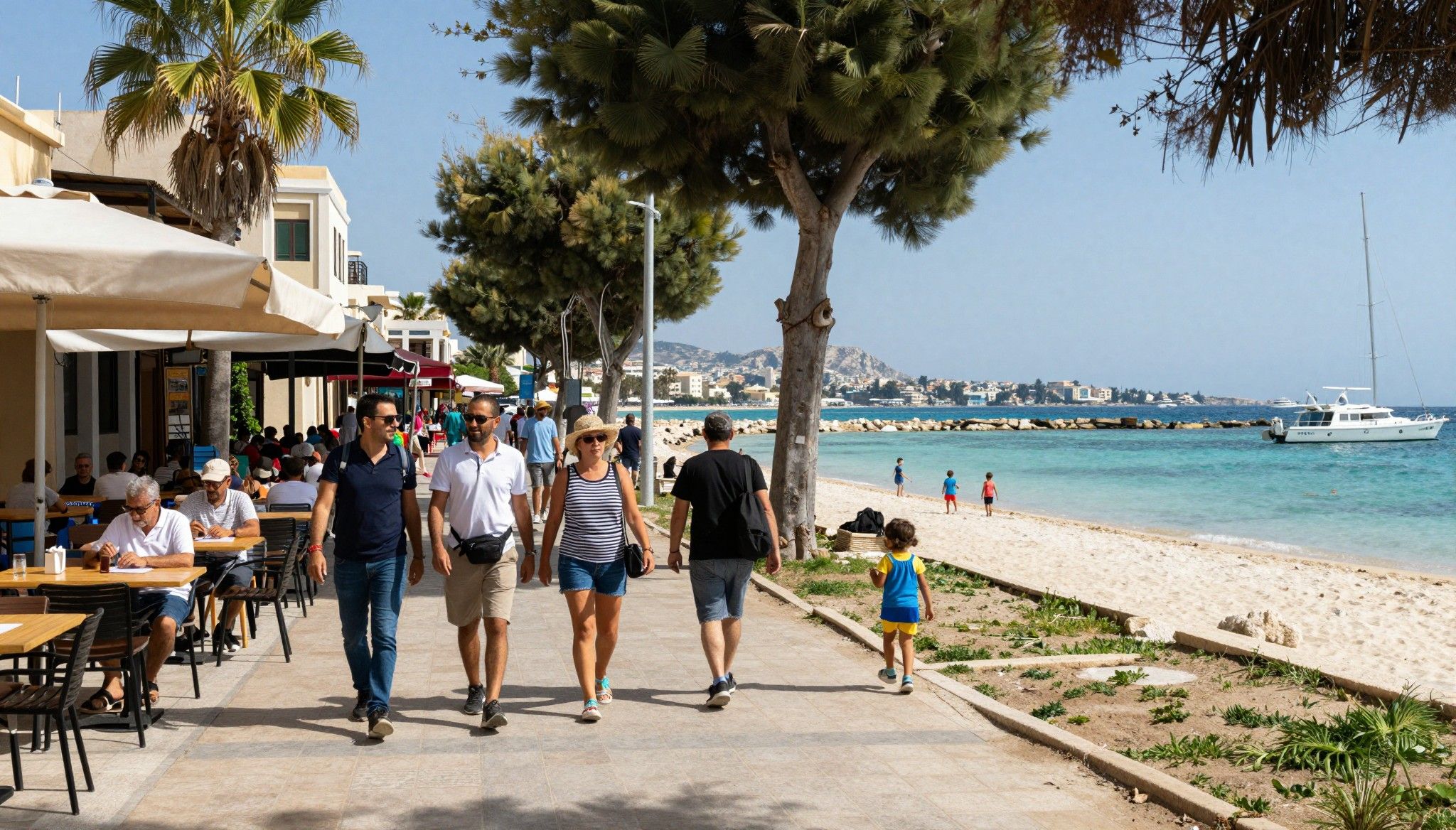
Imagine sipping an espresso at a shaded table on Tombs of the Kings Road in Paphos, then walking five minutes to a shoreline that belongs, for that hour, only to you. Cyprus folds ancient olive groves, buzzing marinas and quiet mountain villages into one small island — and with that variety comes a set of legal and tax rules that shape what owning a home here actually feels like.
Living the Cyprus lifestyle — vivid, varied, local
Daily life in Cyprus moves between slow village mornings and energetic coastal afternoons. In Limassol you’ll find waterfront promenades and international cafés; in Nicosia the rhythm is more urban, with narrow streets, late-night meze and a quieter property market; Paphos trades in history and seaside calm, while Larnaca pairs a salt-lake winter landscape with a surprising cultural lift. The sun defines routines — earlier breakfasts in summer, longer siestas in August, and effortless outdoor evenings for most of the year.
Neighbourhood spotlight: Paphos’ Old Town and Tombs of the Kings Road
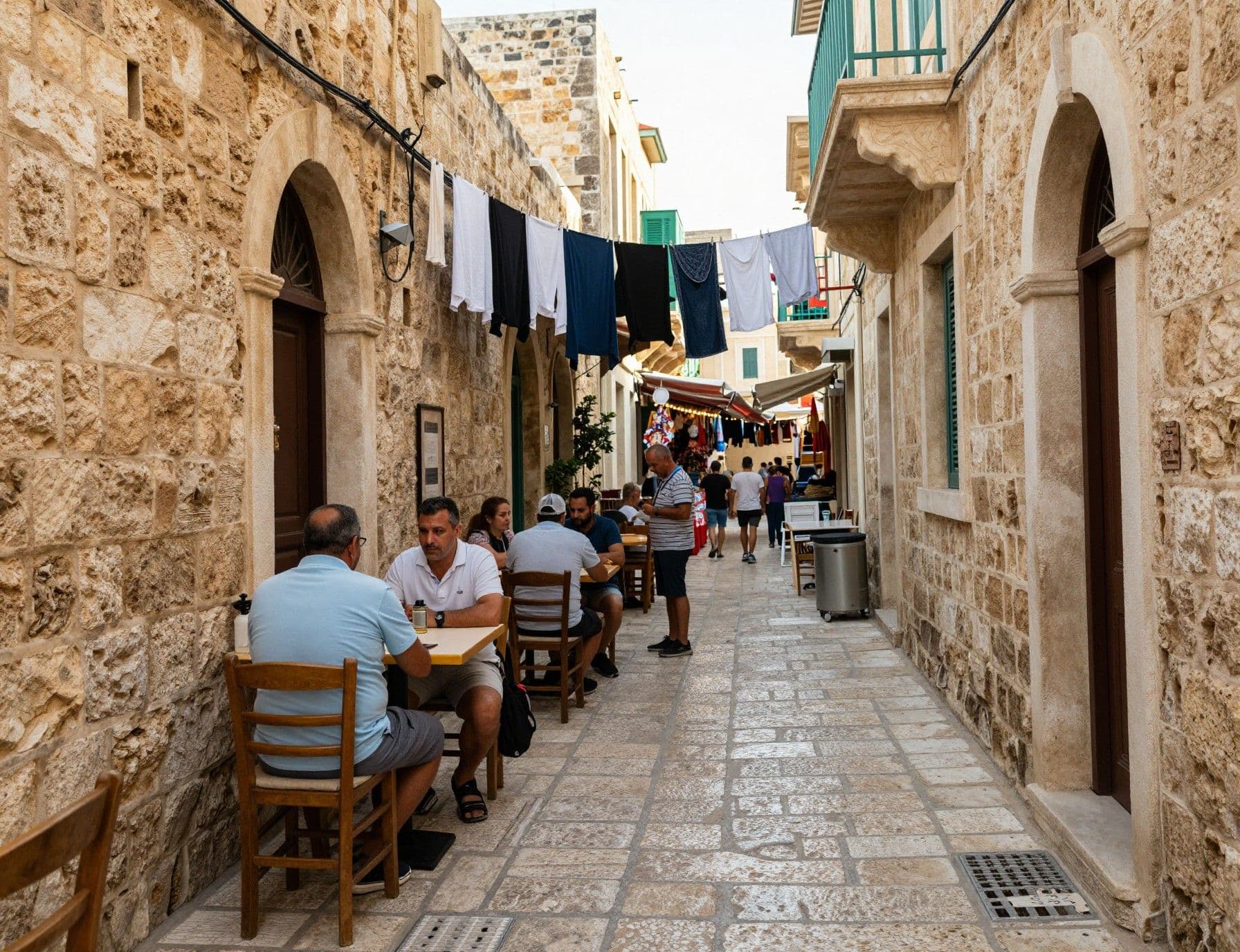
We’ve walked the streets where local bakers know your order and small tavernas still hang fish to dry. Paphos Old Town’s stone alleys — think Agiou Antoniou and the side streets off Tombs of the Kings Road — offer apartments with high ceilings and terraces that catch late light. For buyers who prize atmosphere over flashy amenities, these blocks deliver authentic neighbours, easy beach access and rental demand that spikes in shoulder seasons.
Food, markets and the social map
Weekend markets in Larnaca (try the municipal market near Ermou) and fishermen’s stalls in Paphos set the tempo for local life. Cafés such as “Muse Café” in Kato Paphos or the promenade cafés on Limassol’s Molos are where neighbours trade gossip and property tips. These scenes matter: proximity to a lively market square often protects resale value and keeps rental occupancy high during festival weeks.
- Lifestyle highlights: Paphos to Limassol
- Early-morning walk at Paphos harbour; sunset at Limassol’s Molos promenade; weekend meze in Nicosia’s Ledra Street; birdwatching at Larnaca Salt Lake (winter); olive-pressing festivals in Troodos foothills; coffee at seaside cafés on Tombs of the Kings Road.
Making the move: practical rules that change the lifestyle

Falling in love with a street is easy; owning the property on it requires paperwork, patience and local know-how. Title deeds, transfer fees, stamp duty and VAT rules determine your real entry costs — and in Cyprus those details vary depending on the property age, developer status and whether VAT applies. Check recent Land Registry guidance before you sign; clean title deeds are non-negotiable.
Property types and what they mean for life
New build seafront apartments give you low-maintenance living and amenities, while older townhouses in Paphos or Larnaca offer character and larger terraces. If you crave morning markets and village rhythm, a resurfaced stone house near Polis or in the lower Troodos foothills will suit you better than a gated Limassol tower. Each type shifts running costs, renovation needs and the kind of neighbours you’ll have.
Working with local experts who know both life and law
A good lawyer and an agency that knows municipal quirks are your best friends. Immigration rules and investor-residence routes have tightened — recent announcements closed transitional windows for older investor-permit criteria — which means you should verify residency pathways before pricing a purchase. Your advisor should explain whether your purchase supports a residence application, or if alternative routes (employment, family ties, long-stay visas) are more realistic.
- Practical checklist blending life & process
- 1) Confirm title-deed status with the Land Registry and request encumbrance searches. 2) Ask your lawyer to model total purchase costs (transfer fees, VAT, stamp duty, legal fees). 3) Check which residency or tax perks (e.g., non-domiciled status) might apply to you. 4) Inspect the neighbourhood at different times — weekday mornings, summer nights, winter weekends. 5) Plan for seasonality in rental demand if you’re buying to let.
Insider knowledge: what expats wish they’d known
Expats tell us the surprise isn’t the paperwork — it’s the rhythm. You can buy a modern apartment and still feel displaced if you’re not near a real square or market. On the investment side, regional price growth has been uneven: recent price-index data show steady rises but shifting regional leadership between Limassol, Larnaca and Paphos. That means timing and micro-location matter more than headline district names.
Cultural integration: tiny rituals that matter
Learn a few Greek phrases, go to a church fair, and buy from the same baker for a month — you’ll be surprised how quickly doors open. Neighbours still exchange tips about plumbers and notaries, and being present at the right kafeneio (coffee house) can help you hear about off-market homes before they list.
Long-term view: taxation, residency and wealth planning
Cyprus offers attractive tax features for new residents — notably non-domiciled status that can exempt dividends and certain passive income from Special Defence Contribution. However, the rules evolve, and from 2026 authorities are refining residency tests and immigration pathways. Treat tax advantages as a moving target: confirm current rules with a Cyprus tax advisor before relying on them for long-term planning.
- Red flags and neighbourhood-level checks
- Unclear title deeds or missing approvals; large new developments without completed infrastructure; high summer-only rental dependency; properties registered under companies with opaque ownership; recent local planning changes near your street.
A quick local case: why inland Nicosia can out-perform expected yields
Investors often focus on the coast. But Nicosia’s rental yields and regeneration projects have recently produced stronger income performance than some coastal spots — especially where local demand (students, professionals) keeps occupancy steady year-round. If you prize reliable cashflow and a quieter community, inland neighbourhoods deserve a second look.
- How we recommend you proceed (simple next steps)
- 1) Visit for at least one week across seasons to sample life. 2) Order a title search and local planning check before making offers. 3) Meet a tax adviser to model residency scenarios (including non-dom status). 4) Use a local agency to get off-market opportunities and negotiate contingencies tied to deed delivery. 5) Build a 6–12 month buffer for renovation, registration and any residency processing.
Cyprus can feel like a collection of small, lovable towns stitched together by an easy climate and an open way of life. If you let the island’s streets teach you what to value — shade over spectacle, a good bakery over a fancy gym — you’ll make better property decisions. We’ll help you match that life to the right legal checks, tax clarity and neighbourhood due diligence.
Ashworth & DrakeDanish investment specialist who relocated to Costa del Sol in 2015. Focuses on data-driven market timing and long-term value for Danish buyers.
Related Articles
More insights that might interest you

 Villa Curated
 The Yieldist
 The Yieldist

