Croatia’s Coastal Romance vs. Real Yield Risks
Croatia’s coastal romance masks distinct yield and seasonality risks; stress‑test occupancy, financing and renovation scenarios to reveal real net returns.
 The Yieldist
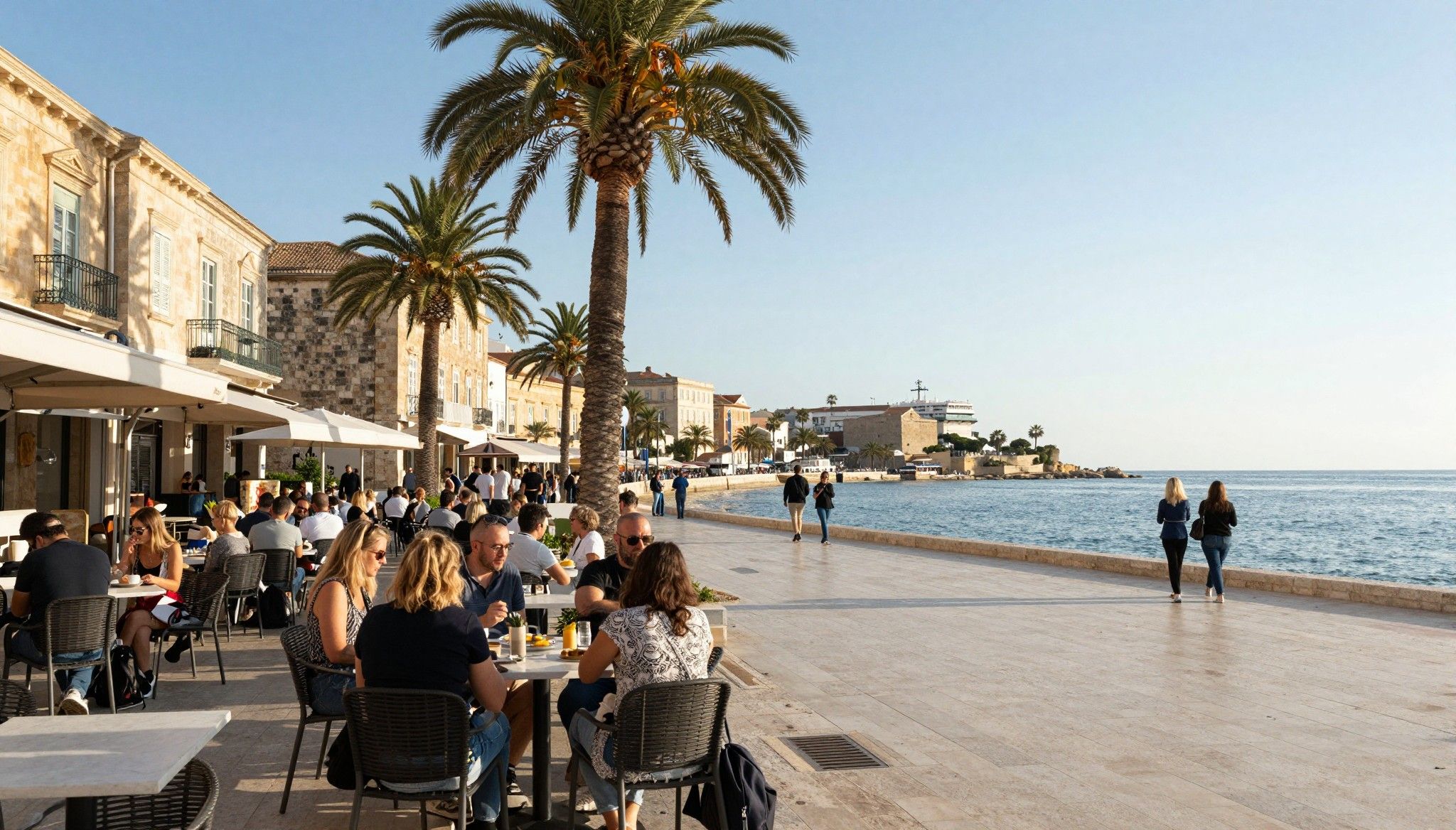
Imagine sipping espresso at a café in Split’s Diocletian-era lanes, then crossing the street to inspect a sunlit two‑bedroom with a stone façade and rental history. Croatia sells that fantasy easily — the Adriatic coast, narrow alleys, island escapes — but beneath the charm lie measurable risks and tradeoffs that change returns. This guide pairs the sensory side of life in Croatia with scenario-based risk and sensitivity analysis so international buyers can weigh lifestyle wants against realistic yield expectations. We use official house‑price data and central bank indicators to show which assumptions matter most when you run the numbers.
Living Croatia: what it actually feels like
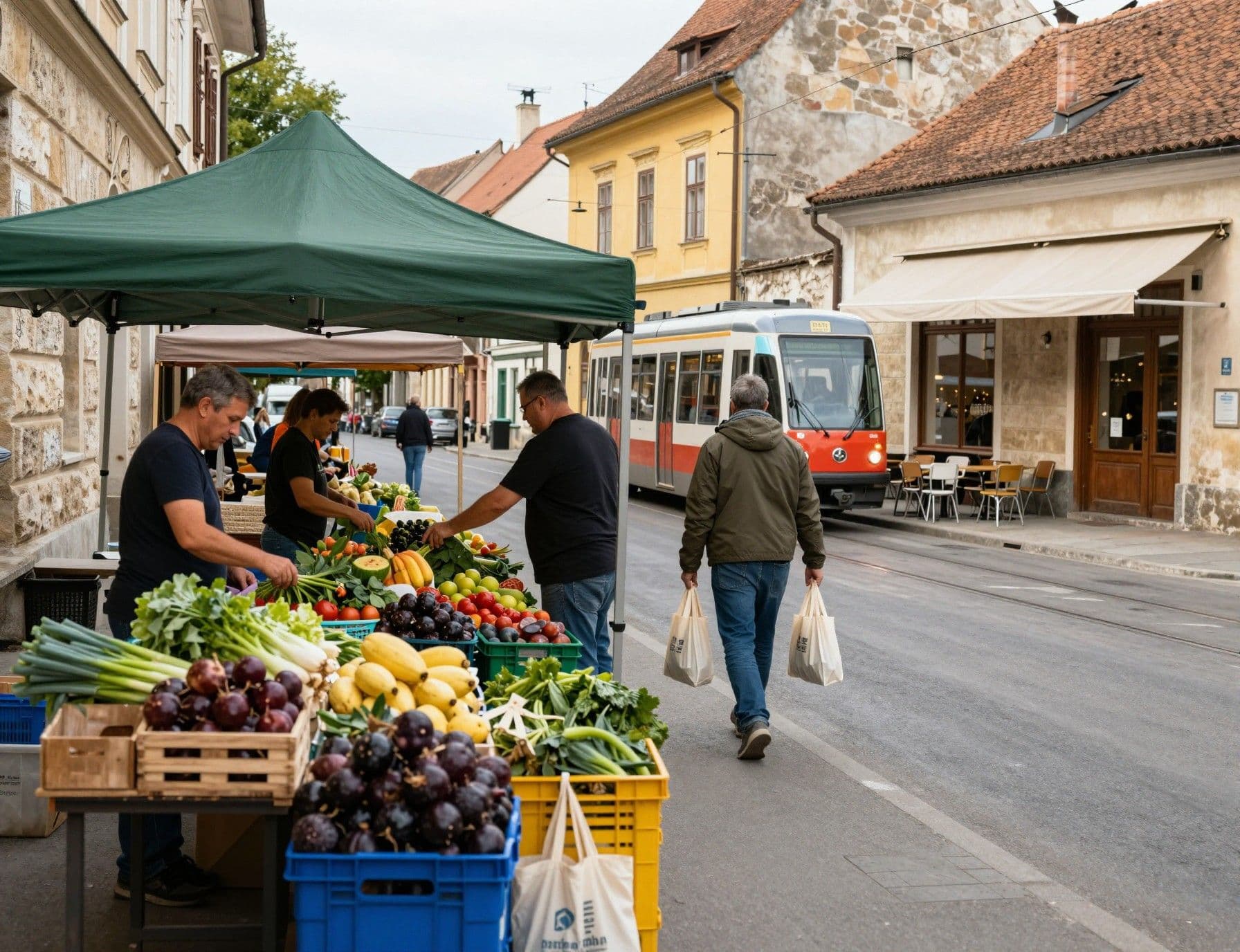
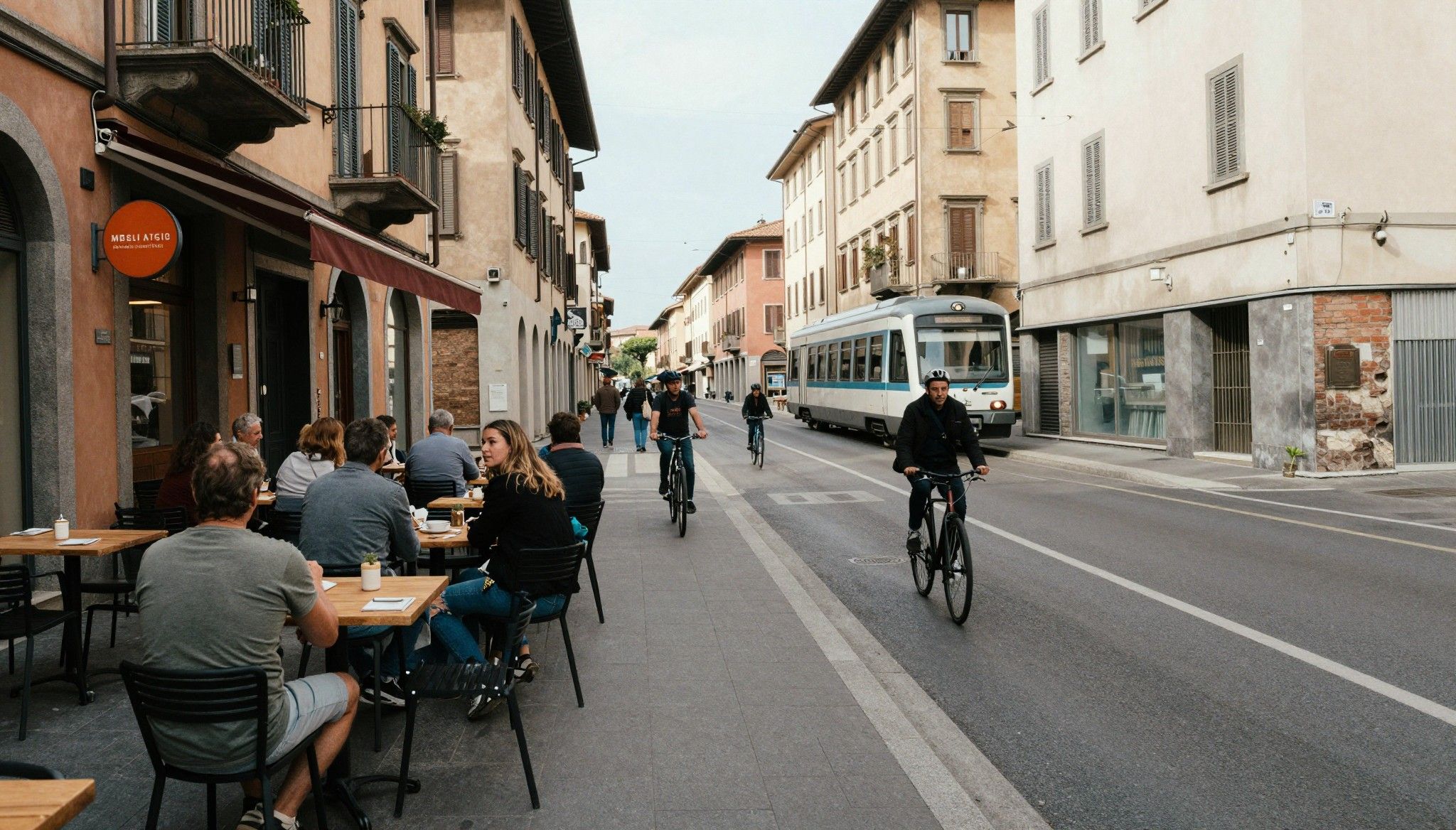
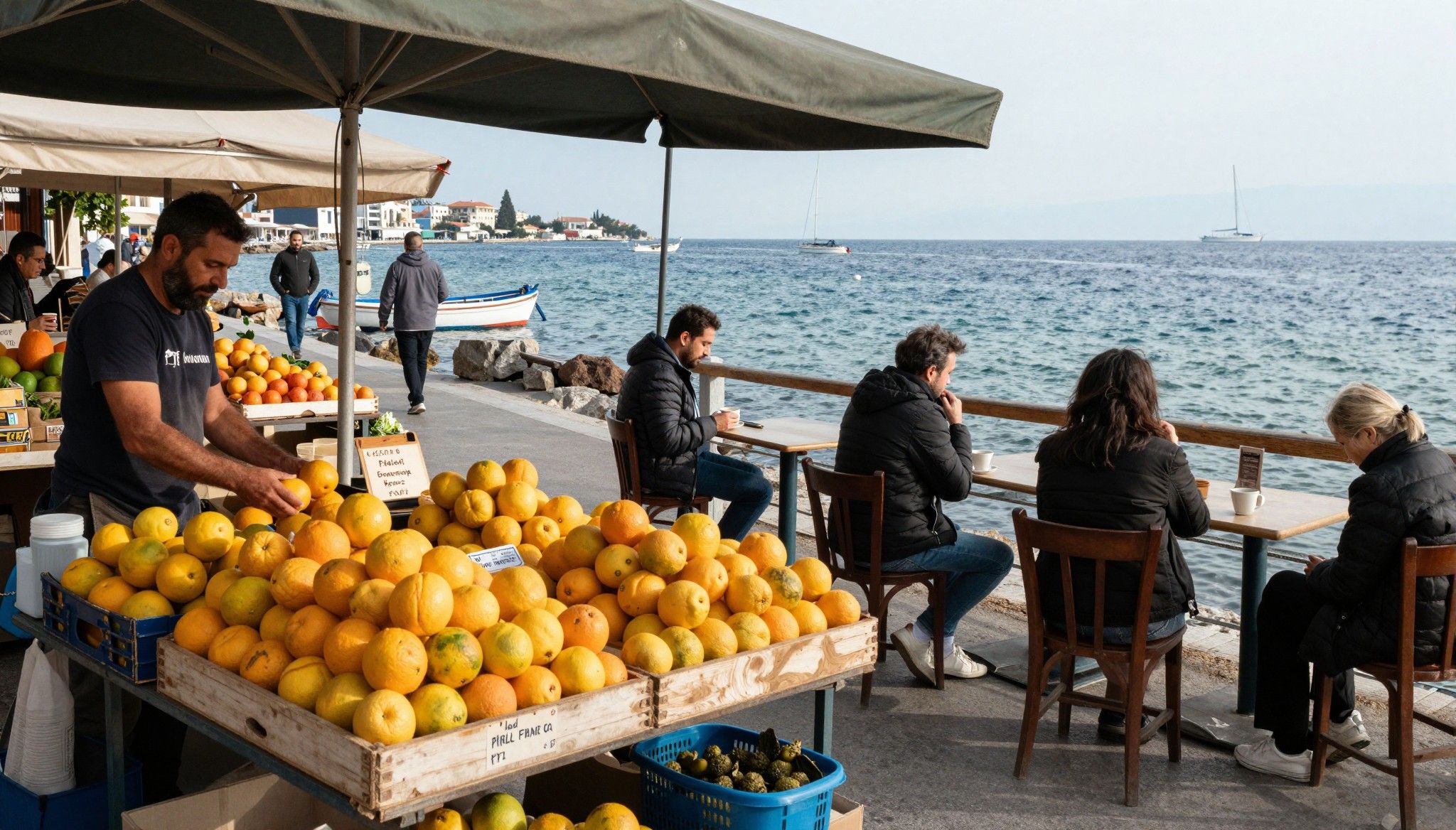
Croatia moves on Mediterranean rhythms: mornings for markets and coffee, late afternoons for promenades along riva waterfronts, and summers that swell coastal towns with seasonal renters. Daily life differs sharply by region — Zagreb hums like a compact northern European city, Istria blends Italianate cafés and truffle hunts, while Dalmatian islands slow the pace to boating, olive oil, and festival evenings. These variations shape demand cycles: short‑let tourism drives coastal occupancy in July–August, while year‑round rentals anchor urban centers and inland towns.
Neighborhood pulse: Zagreb, Split, Dubrovnik, Istria
Zagreb offers stable long‑let demand from students and professionals, particularly around Donji Grad and Maksimir where tram links and amenities support steady rents. Split’s Old Town and Bačvice attract high seasonal rates but face occupancy gaps outside summer months, creating income volatility for short‑let owners. Dubrovnik commands premium prices and consistent tourist draw, though transaction volumes can be lower and regulatory pressure higher. Istria (Pula, Rovinj) blends lifestyle and slower appreciation, appealing to buyers seeking year‑round living and agritourism opportunities.
Food, markets and the rhythm that shapes tenancy
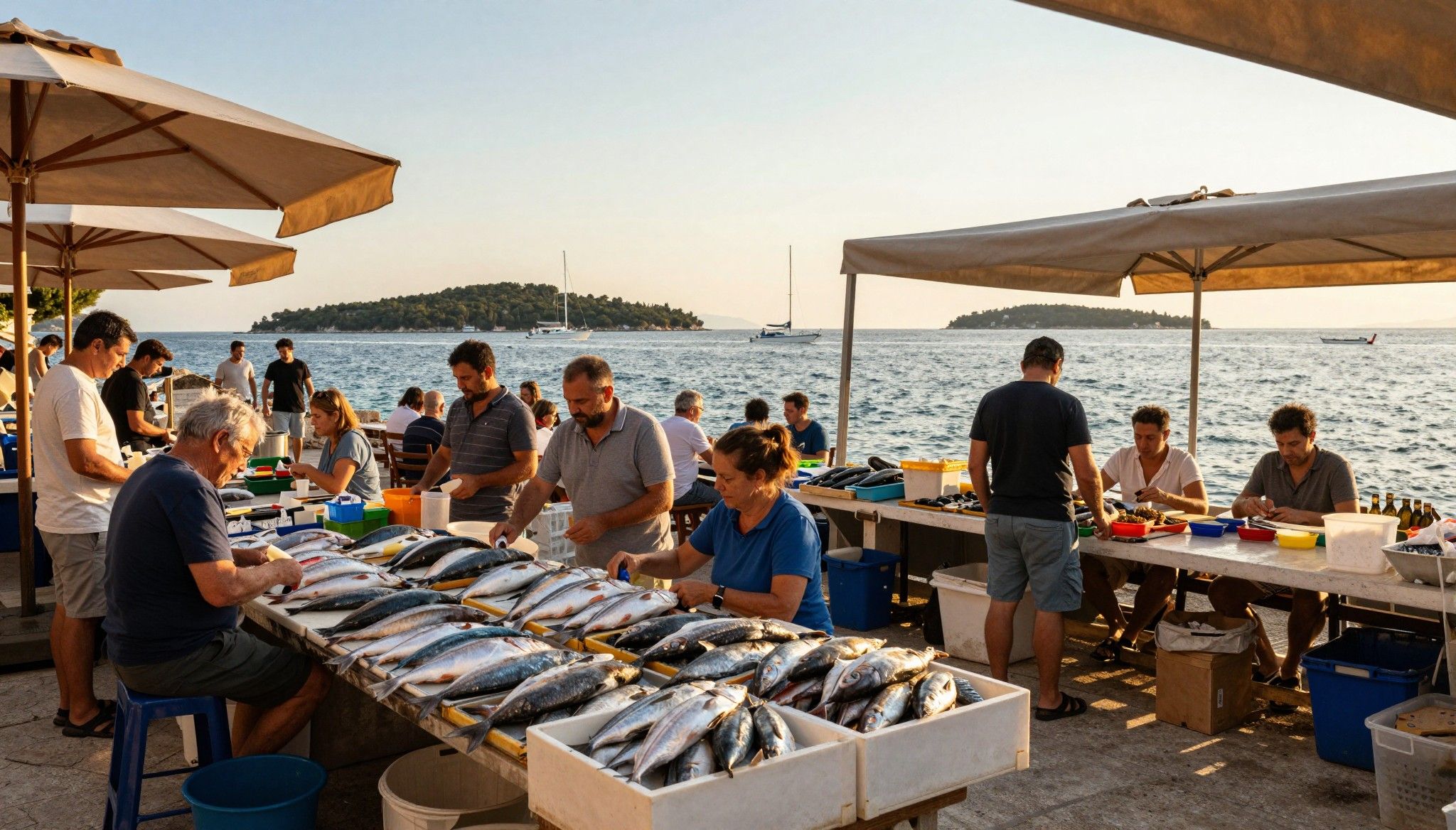
Local markets (Dolac in Zagreb, Pazar in Split) and kafanas anchor neighborhood life and influence tenant profiles; proximity to weekly markets and bakeries increases demand from locals and long‑stay visitors. Seasonal festivals — like Ultra in Split or Dubrovnik Summer Festival — create short windows of elevated rental income but also bring regulations and community pushback. For buyers, lifestyle proximity (markets, ferry links, medical clinics) often maps directly to rental resilience and lower vacancy rates.
- Lifestyle highlights that materially affect demand
- Dolac Market (Zagreb) — strong year‑round footfall and long‑let tenant pools
- Split Riva & Bačvice — ultra‑high summer rates, low off‑season occupancy
- Dubrovnik Old Town — pricing premium but tighter resale and stricter rules
- Istrian hill towns (Rovinj) — steady long‑stay appeal and agritourism potential
Making the move: practical, scenario‑based considerations
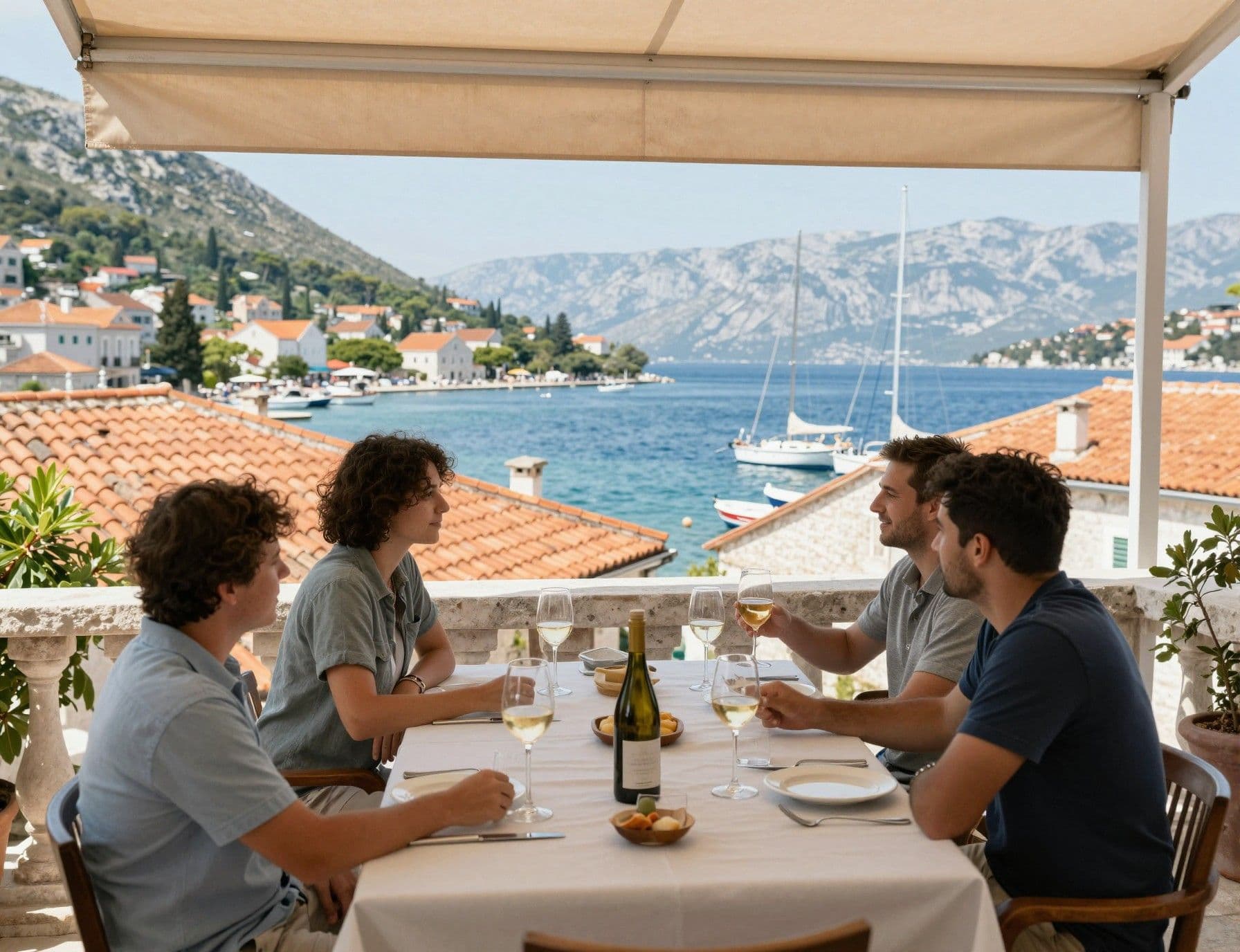
Official data shows materially different trajectories by region: the Croatian Bureau of Statistics reports sizable year‑on‑year gains in house prices for the Adriatic coast versus inland areas. That dispersion creates both upside and risk: coastal apartments can appreciate faster but also carry higher entry prices and income seasonality. Translating lifestyle choices into financial assumptions requires sensitivity testing of occupancy, nightly rates, and financing costs tied to bank lending rules.
Property types and how they reprice lifestyle assumptions
Historic stone apartments in Old Towns fetch premium per square metre but often need significant maintenance and have limited modern amenities — this reduces net yields unless priced for renovation. New builds command 10–25% premiums in hot coastal micro‑markets, offering lower capex risk and energy efficiency that appeals to year‑round renters. Villas with pools can deliver high summer returns but face high holding costs (maintenance, utilities, property management) that compress net yields over a full year.
Local experts: agents, tax advisers and property managers
Work with agencies who track both seasonal demand and regulatory shifts; look for firms that publish occupancy data and provide case studies for short‑let performance. A Croatian tax adviser will model net yield after tourist taxes, VAT treatment for renovations and the probable classification of income (business vs. passive). Professional property managers reduce vacancy and protect community relationships, but budget 10–25% of gross rent for full service in tourist towns.
- Six steps to stress‑test a Croatian purchase
- 1. Model three occupancy cases (peak, blended, off‑season) with conservative nightly rates.
- 2. Include realistic operating costs: municipal tourist tax, utilities, maintenance and management fees.
- 3. Test financing shocks: a 100–200 bps rise in mortgage margin and a 10% downshift in occupancy.
- 4. Run a 5‑year exit price sensitivity using regional house‑price index scenarios from official statistics.
- 5. Add renovation contingencies (5–15% of purchase price depending on age and conservation rules).
- 6. Stress test tax and classification outcomes with a local tax adviser to estimate net yield after tax.
Insider knowledge: common pitfalls and contrarian opportunities
Two realities trip international buyers: overpaying for coastal postcard addresses and underestimating regulatory or lending shifts. Asking prices climbed strongly in 2025 in Split and other counties, increasing downside risk if tourist flows or lending conditions tighten. Conversely, inland and secondary coastal towns often provide higher starting yields and lower volatility — a contrarian buyer who prioritizes blended occupancy over peak summer premiums can improve long‑term net returns.
Red flags to watch
- Rapidly rising asking prices with declining transaction volumes — indicates price inflation without liquidity.
- Properties that rely solely on summer weeks for profitability — high seasonal concentration risk.
- Lack of clear title history or permitting for renovations in protected historic zones.
Contrarian pockets worth modelling
- Zagreb inner suburbs — cheaper entry, stable long‑let demand and easier property management.
- Šibenik archipelago & Murter — solid summer demand, improving ferry links, lower premiums than Split/Dubrovnik.
- Istrian inland villages — agritourism and food‑scene buyers drive slow but steady capital gains.
These pockets require different assumptions — lower entry price, lower peak income, higher year‑round occupancy — which often improves risk‑adjusted returns when modelled conservatively.
Conclusion: fall in love first, stress‑test second. Croatia offers a rare combination of high‑quality lifestyle and investable markets, but the details change outcomes: seasonality, financing rules and regional price dispersion matter more than curb appeal. Start with a lifestyle shortlist (city vs. coast vs. island), then run the six stress tests above with local price indices and lending scenarios. Work with an agent who publishes occupancy data and a tax adviser who models net yield — together they turn a romance into a resilient investment.
The YieldistBritish expat who moved to the Algarve in 2014. Specializes in portfolio-focused analysis, yields, and tax planning for UK buyers investing abroad.
Related Articles
More insights that might interest you
 Villa Curated
 The Yieldist
 The Yieldist


