Why Italy’s ‘Too Expensive’ Label Favors Nomads
Italy’s charm hides practical advantages: modest national price growth and regional bargains mean nomads can buy lifestyle-rich homes without premium luxury costs.
 MoveSettleGo
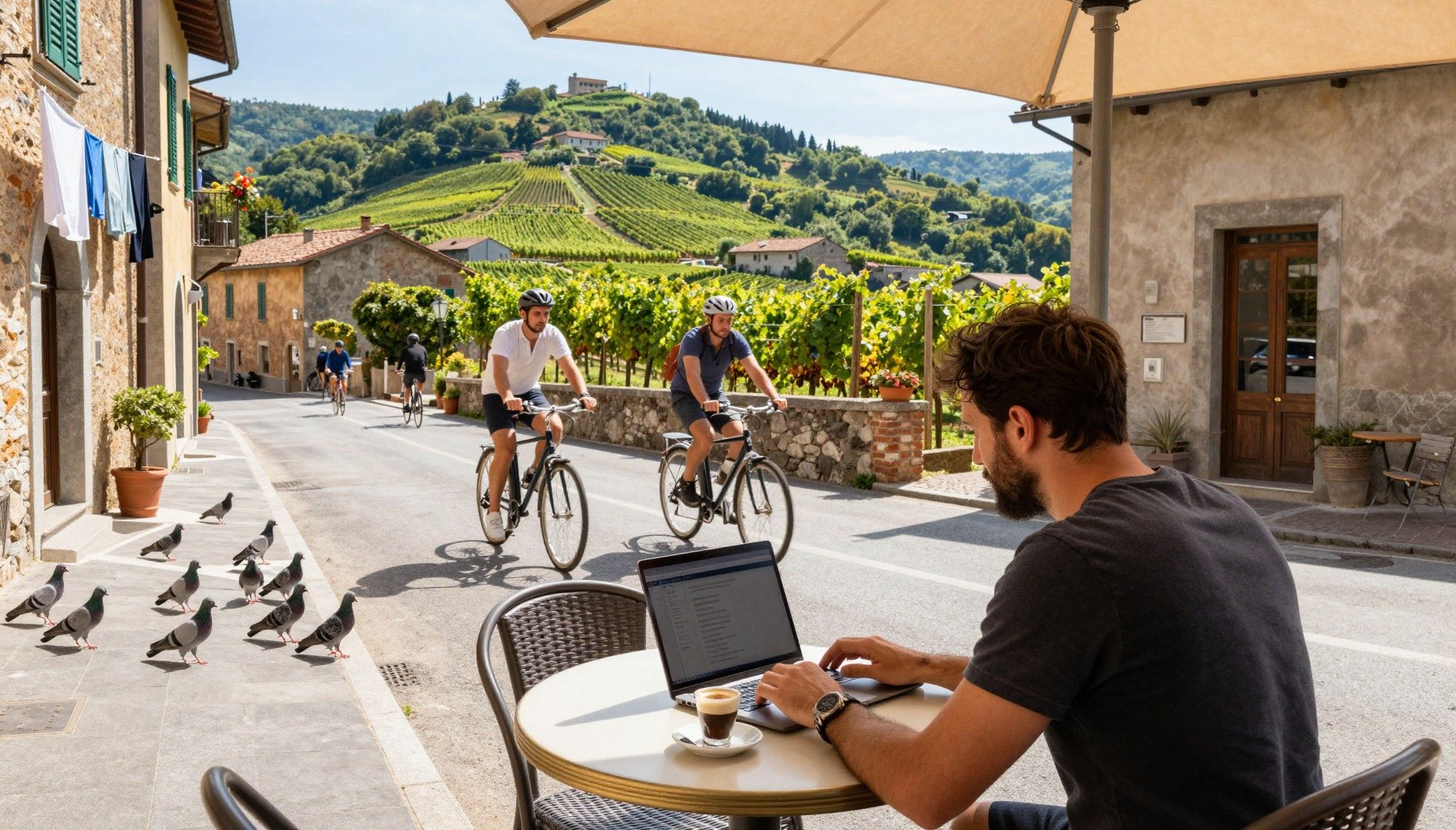
Imagine stepping out at dawn to a bar on Via del Governo Vecchio in Rome, espresso steaming in hand, or cycling through sunlit vineyards outside Alba after a morning of client calls. Italy is sensory and social: cobbled streets, neighborhood markets, aperitivo rhythms—and real estate that reflects those daily habits.
Living the Italy lifestyle
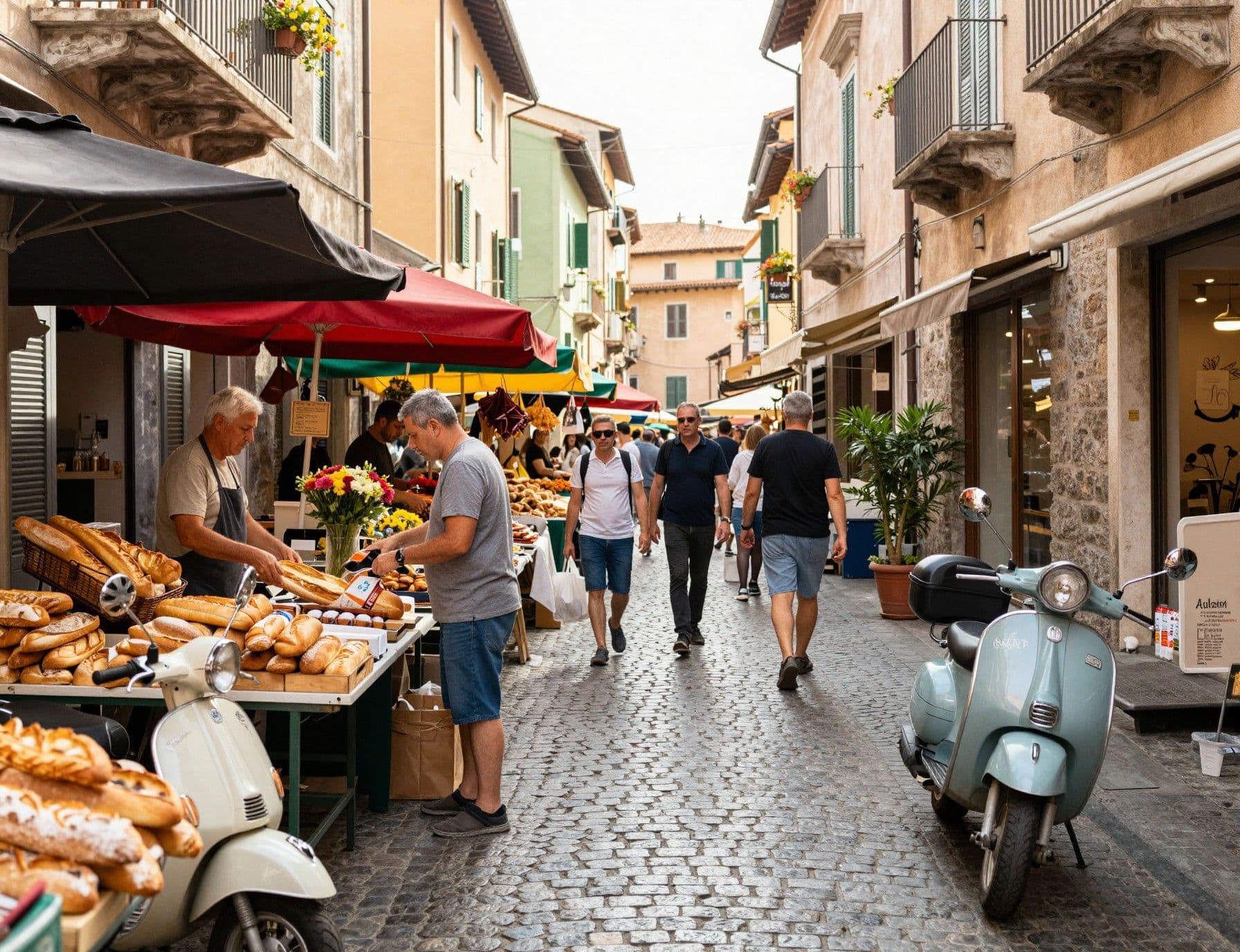
Italy feels like slow mornings and spirited evenings, but the housing market is quietly active: national indices show modest price growth and steady transaction recovery, especially in northern and central hubs. That mix makes Italy ideal for nomads who want character without always paying luxury premiums.
City centers vs. neighborhood pockets
Historic cores—Florence’s Oltrarno, Naples’ Vomero, Milan’s Navigli—offer architectural romance and walkable life, but quieter streets one tram out (Pigneto in Rome, Isola in Milan) deliver better value and a younger, creative scene. Think: café-table workspaces, artisanal bakeries, and roofs that turn into evening hangouts.
Coast, lakes, and countryside moods
From the Ligurian coves to Puglia’s olive groves and Lake Como’s romance, each region prescribes a lifestyle: beachside siestas, vineyard weekends, or cultural-packed winters. Recent data shows demand rebounding across regions, so coastal bargains exist—you just need the right neighborhood lens.
- Lifestyle highlights: markets, cafés, secret spots
- Morning espresso on Via Toledo (Naples) and a stroll through Mercato di Sant’Ambrogio (Florence).
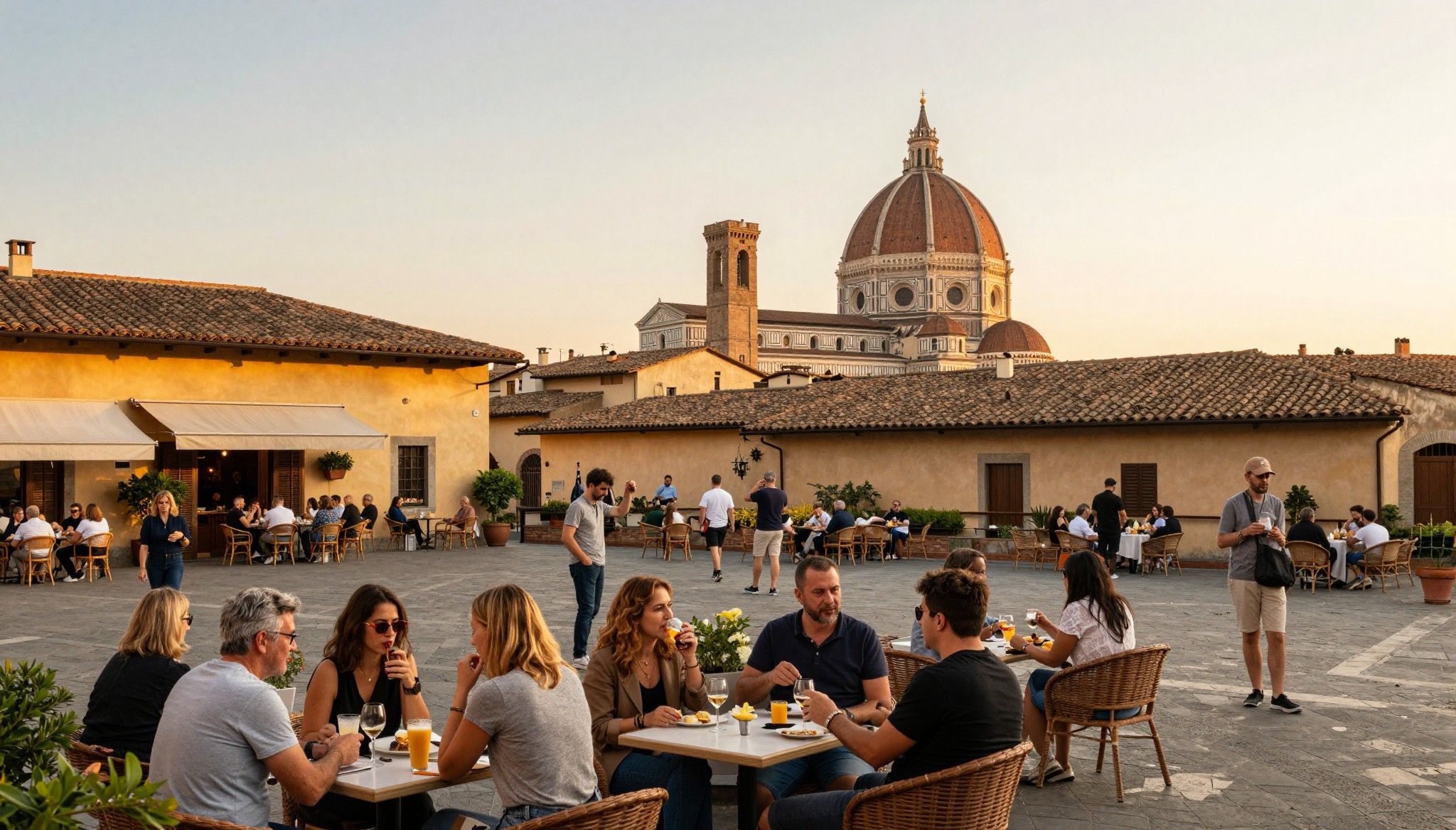
- Rooftop aperitivo overlooking Milan’s Duomo or sunset swims at Cala Goloritzé in Sardinia.
Making the move: practical considerations
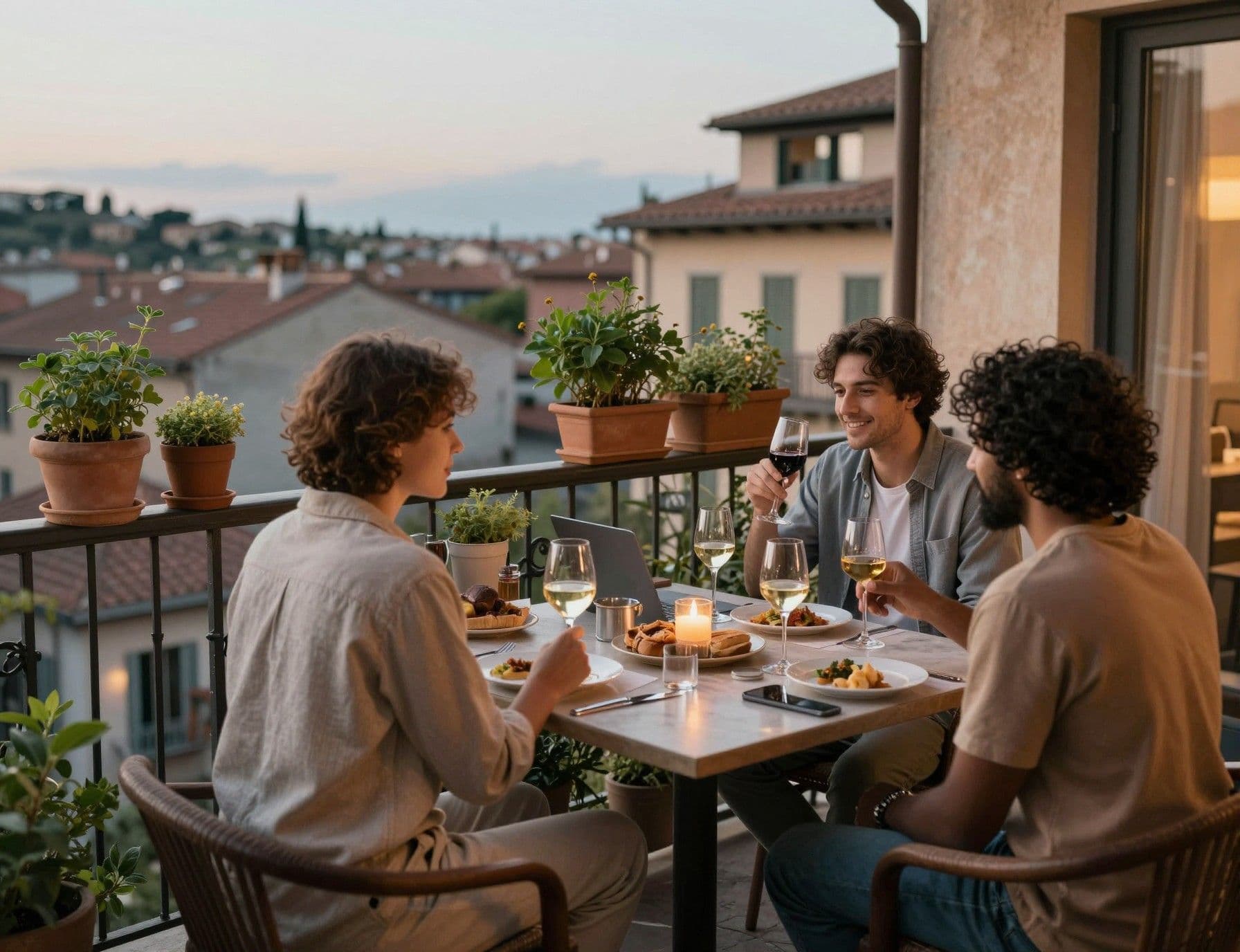
The dream—streets that smell of espresso and fresh bread—meets reality when you start house‑hunting: local bureaucracy, diagnostics, energy efficiency rules, and seasonal price swings. The trick is matching the life you want with property features that support remote work and community life.
Property styles and how you’ll actually live
A 17th‑century apartment in a palazzo has charm but thin walls and tricky wiring; a renovated farmhouse in Tuscany gives space, gardens and privacy but needs energy upgrades and good broadband. Prioritize workspace (dedicated nook, quiet façade), insulation, and ADSL/fiber availability for consistent remote work.
Working with local experts who know the lifestyle
Local agents who live the life you want are gold. They’ll point to streets with morning markets, rooftop aperitivo spots, reliable cafes with plugs for laptops, and quieter buildings with solid community boards. Ask for references from recent expat clients and examples of negotiated energy‑cert improvements.
- Lifestyle + practical checklist: 1) Confirm fiber or 4G coverage, 2) Visit a weekday morning and an evening to test noise, 3) Check building heating/AC and energy class, 4) Ask local agents about nearby coworking and meetups.
Insider knowledge: what expats wish they’d known
Expats say the surprises are social: the speed of small‑town bonds, the importance of local market days, and the delight of having a favorite barista. They also warn: tourist seasons can flip a neighborhood’s energy—and rental yield assumptions—overnight.
Cultural integration and daily rhythms
Learn basic Italian greetings, attend a local festa, and pick a market day to meet neighbors. That small social investment unlocks services, tradespeople, and invitations—often more valuable than a lower purchase price.
Long-term lifestyle and property resilience
Data-driven buyers note Italy’s steady transaction recovery and modest price growth, which suggests resilience but regional variation. Invest in energy efficiency and flexible layouts to keep your property attractive for long‑term living or short-term rental when you travel.
- Common red flags to spot: 1) missing APE energy certificate, 2) mysterious condominium debts, 3) lack of fiber or weak mobile signal, 4) unclear ownership chains on historic properties.
Conclusion: Italy delivers a life of markets, music, and neighborhood rituals—but only if your property matches the rhythm you want. Start with a lifestyle map (cafés, coworking, market days), then work with an agent who knows the streets—not just the listings. Take one weekend trip with a shortlist, test mornings and evenings, and you’ll know whether a place makes your pulse quicken or your inbox quiet.
MoveSettleGoDanish investor and relocation advisor focusing on Portugal and the Algarve; loves coworking culture and expat networks.
Related Articles
More insights that might interest you
 Villa Curated
 Villa Curated
 The Yieldist

