France: Lifestyle First, Stress-Tested Investment
Match France's irresistible lifestyle to risk-tested investment math: regional price dispersion, seasonal rental cycles, and a five-step sensitivity checklist to stress-test any purchase.
 The Yieldist
Imagine sipping an espresso on Rue des Martyrs in Paris, then driving two hours to a sunlit village in Provence where cicadas hum and stone houses sit on vineyards. That contrast — dense, culturally intense urban life and slow, rural rhythm — is France’s true product. For international buyers the question isn’t just "where do I want to live?" but "which France fits my financial goals?". Drawing on national price indices and notarial reports, this guide tests lifestyle choices against downside risks and sensitivity scenarios.
Living France: more than a postcard
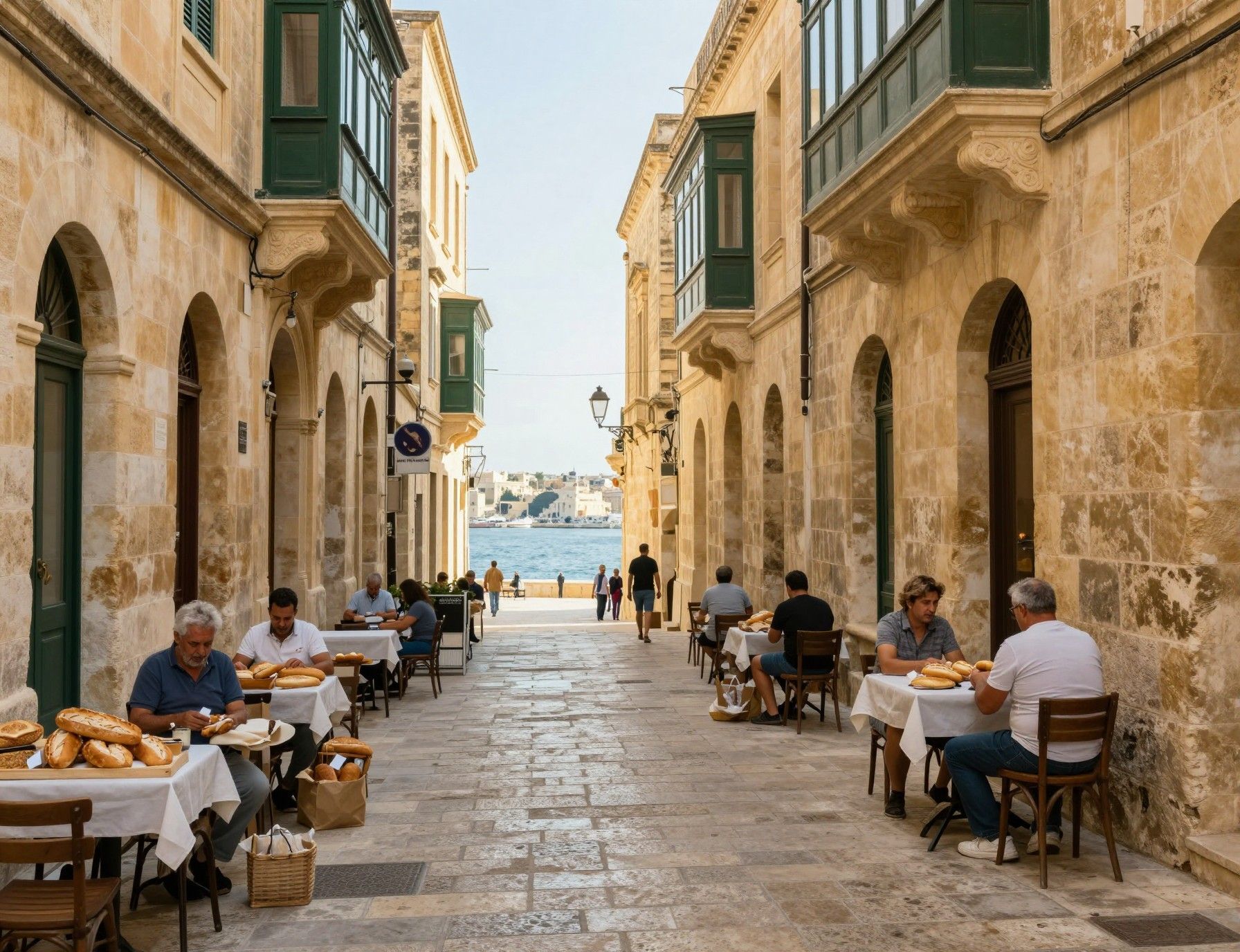
Daily life in France blends ritual and variety: morning boulangeries, market afternoons, and late-evening dinners. Neighborhoods behave like small ecosystems — Paris’s Marais pulses with boutiques and apartments geared to short leases, while Lyon’s Croix-Rousse still carries working-class warmth and long-term rental demand. Climate and season shape choices: Atlantic winter rains, Mediterranean summers, and alpine winters create different maintenance costs and tenant profiles.
Paris & Île‑de‑France: density, mobility, price resilience
Paris remains a liquidity hub: apartment prices are high but negotiation and renovation opportunities exist, especially for units needing work. Recent notarial indices show stabilising prices in Île‑de‑France, with central Paris near €10,000/m² for some arrondissements, while suburbs offer lower entry points but strong commuter rental demand.
Provence, Côte d’Azur & the Riviera: seasonality and premium pockets
The South sells a lifestyle: sea, light, outdoor dining — and with it a pronounced seasonal rental cycle. Villas and coastal apartments command significant premiums; yet houses inland near Aix or Toulon can still outprice many regional cities. For investors, premium seasonal rents are attractive but occupancy and maintenance risk must be stress-tested.
- Lifestyle highlights
Breakfast at Poilâne (Paris) and a late-afternoon marché at Cours Saleya (Nice).
Cycling the Loire vineyards between small châteaux and family-run domaines.
Sunday morning farmers’ markets in Lyon’s 6th arrondissement — excellent for tenant appeal.
Making the move: practical risk & sensitivity matters
Lifestyle decisions must be stress-tested financially. National indices show recent small annual price rises after earlier declines, but regional dispersion is large. Model your purchase with three sensitivity scenarios — base, downside (10–15% price shock), and upside (modest local recovery) — and always run rent-vacancy stress tests before committing.
Property types and the risks they hide
Historic apartments in central locations can preserve value but carry higher renovation budgets and regulatory constraints. New builds reduce maintenance surprises but often price in developer margins and delivery risk. For yield-focused buyers, townhouses and suburban houses often offer better gross yields; for lifestyle buyers, proximity to markets, schools and transport may trump headline yield.
- A 5‑step sensitivity checklist
1) Base case: current price, expected rent, financing at market rate; calculate net yield and cash flow.
2) Downside: -10% price, -15% rent, 90-day vacancy; recalculate leverage risk and exit cost.
3) Upside: modest 5–8% price growth in five years, improved rent; test whether IRR meets target.
4) Policy shock: simulate changes to local short‑term rental rules or tax treatment that affect net yield.
5) Currency & financing: stress test EUR exchange swings of ±8% and a 100–200bps mortgage-rate shift.
Insider knowledge: what expats wish they'd known
Experienced expat buyers highlight predictable surprises: local bureaucracy is slow but transparent; strong tenant demand exists in university towns and major metros; and small renovations (kitchen, bathrooms) materially lift rents. Foreign buyer share is rising in select departments, so competition is localised — not national.
Cultural and seasonal realities that affect value
Seasonal peaks (summer on the Riviera, winter in alpine resorts) create both rental upside and management complexity. Cultural norms — preference for longer tenancy contracts and emphasis on property condition — reduce churn but increase expectations on finish and appliances. Factor local utility norms (heating systems, insulation) into capex forecasts.
- Practical tips from people who moved here
Hire a notaire early — they control transaction flow and can flag inheritance or zoning issues.
Match property type to tenant demand: city centre apartment for corporate tenants; village house for long lets.
Budget 5–10% of purchase price for immediate renovations if buying a pre‑war apartment.
If relying on short‑term letting, confirm municipal rules (some cities limit tourist lets).
Working with local agents: choose specialists who can translate lifestyle into numbers. A good agent flags tenant profiles, supply of similar stock, time‑on‑market and realistic refurb costs; they should supply recent comparables and expected gross/net yield scenarios. For investment-grade purchases, demand documented rent rolls and local occupancy rates before offer.
How agencies support lifestyle‑matched due diligence
Ask agents for three comparable properties (sold and let) within a 1km radius and a 12‑month timeframe. Request a simple P&L projection: gross rent, management fees, expected vacancy, local property tax (taxe foncière), and insurance. Use that P&L as the basis for your sensitivity scenarios.
France rewards buyers who balance imagination with models. Picture yourself at a marché, but also imagine the spreadsheet on your laptop. If you run the sensitivity checks above and insist on local comparables, you can buy the life you want while limiting downside surprises.
The YieldistBritish expat who moved to the Algarve in 2014. Specializes in portfolio-focused analysis, yields, and tax planning for UK buyers investing abroad.
Related Articles
More insights that might interest you
 Villa Curated
 The Yieldist
 MoveSettleGo

