When Cyprus' 'Passport Era' Ended: Returns, Risks, Value
Cyprus’s post‑passport era reshaped demand and returns. Learn which neighbourhoods gained steady yield, what title checks matter, and how regulation creates contrarian opportunities.
 The Yieldist
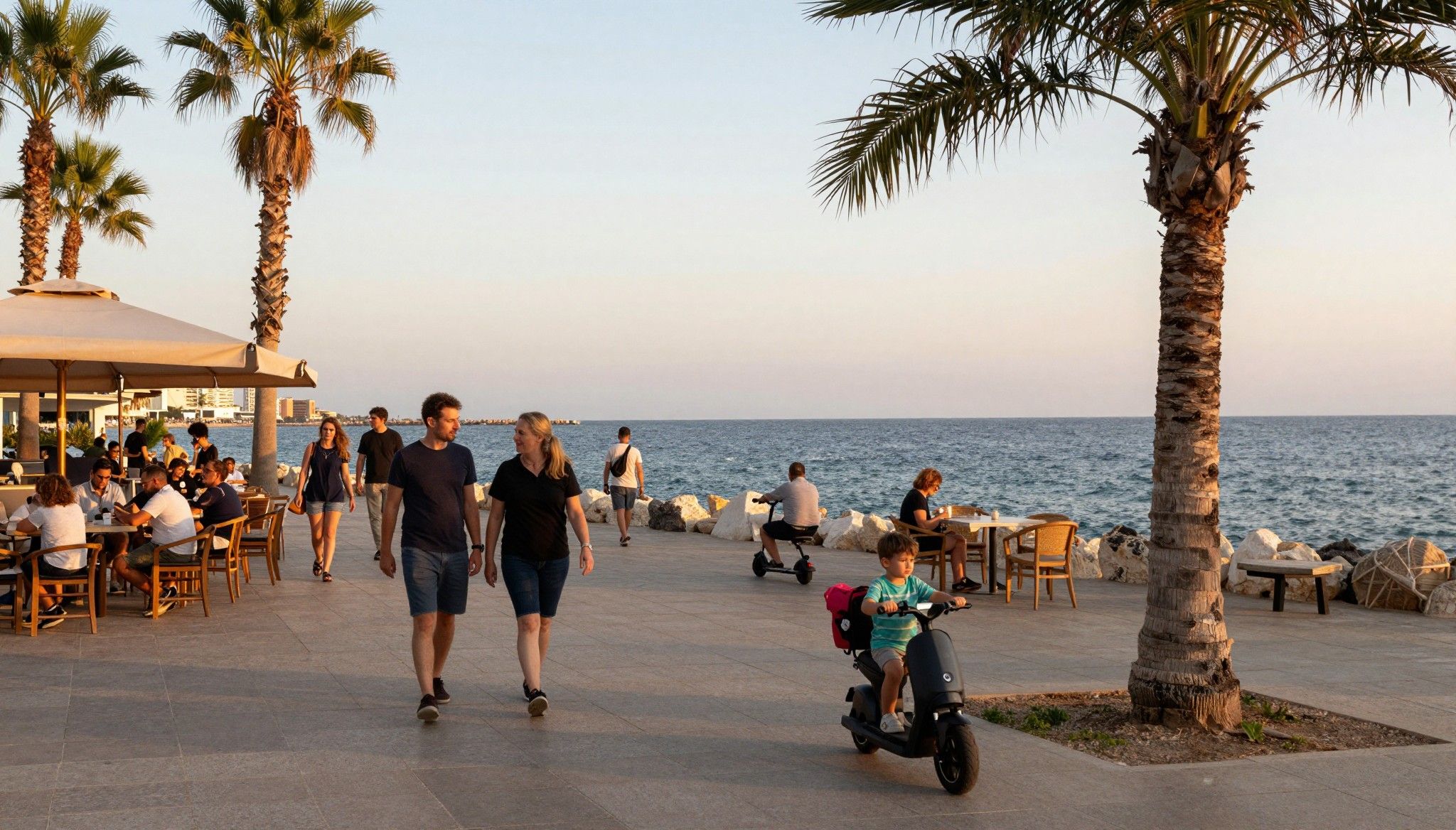
Imagine sipping an espresso at To Steki tou Vitsentiou in Limassol, then walking five minutes to a coastline where mornings smell of salt and grilled halloumi. Cyprus feels like long lunches, weekday beach swims, and markets where the same vendor greets you by name — but behind this relaxed rhythm the island’s regulatory landscape has changed, and that matters for returns.
Living the Cyprus lifestyle
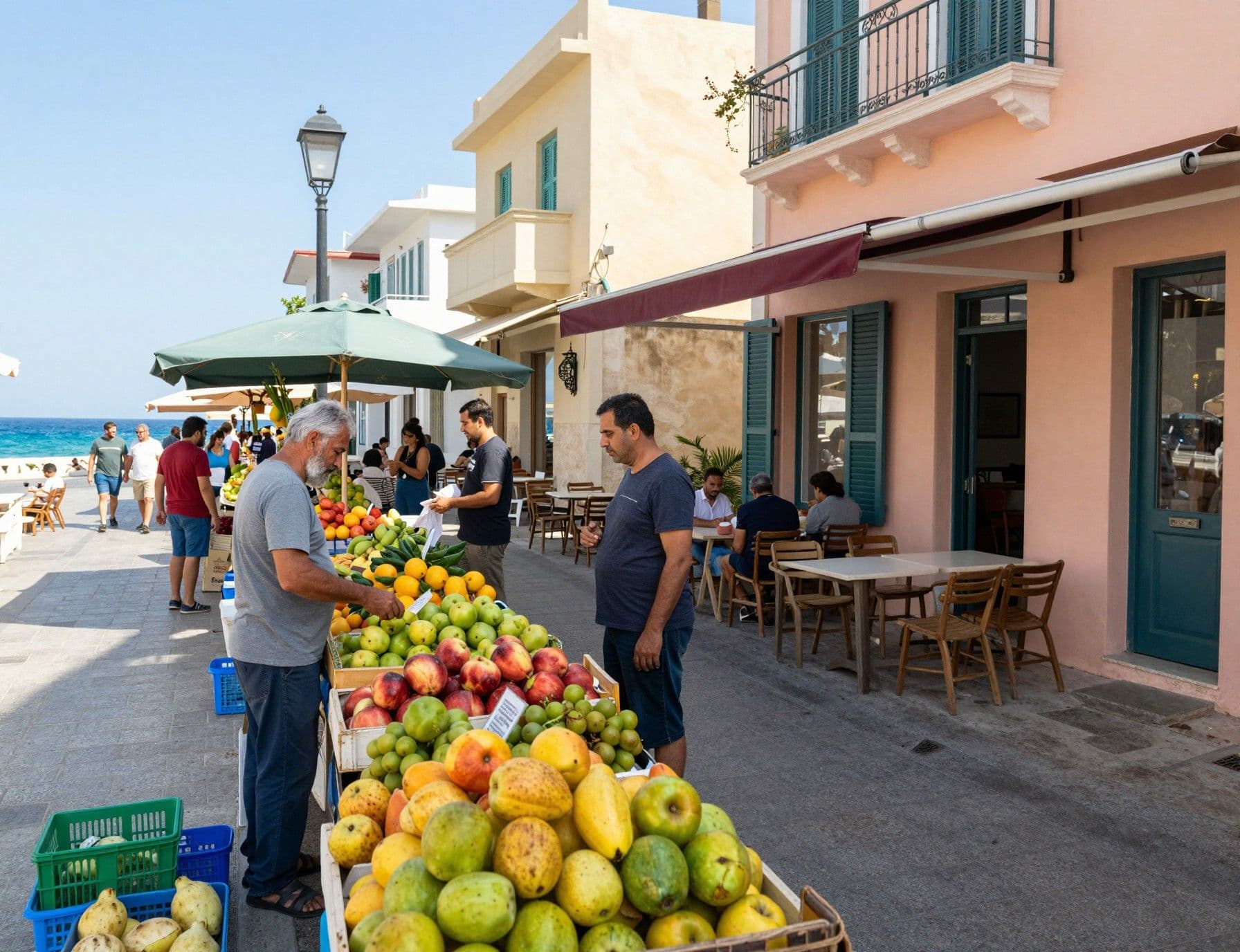
Daily life in Cyprus balances Mediterranean ease with practical anchors: morning espresso rituals in Nicosia’s old town, late-afternoon swims at Fig Tree Bay in Protaras, and neighbourhood bakers in Paphos supplying sesame-laced koulouri. English is widely spoken, local produce defines weekly routines, and small streets—Makarios Avenue in Limassol, Poseidonos in Larnaca—tell you where people actually live rather than where tourists linger.
Neighborhood spotlight: Limassol’s Molos to Ayios Athanasios
Walk Molos promenade at 7am and you’ll see joggers and café owners setting out chairs; cross inland to Ayios Athanasios and the rhythm switches to family life and mid-century apartment blocks with rentable one- and two-bed units. This contrast explains why short-term-tourism hotspots often trade off rental consistency for higher peak-season rates, while adjacent residential pockets deliver steadier yields.
Food, markets and seasonality
From the Larnaca Municipal Market to small mountain tavernas in Troodos, Cyprus’s food scene is hyperlocal and seasonal. That seasonality not only shapes lifestyle (summer terraces, winter village festivals) but also rental demand: coastal apartments spike June–September, while inland villages see steadier long-term tenancy.
- Molos promenade, Limassol — morning routine and commuter market
- Fig Tree Bay, Protaras — summer short‑let premium and tourist footfall
- Old Nicosia (Laiki Geitonia) — cultural life and small‑flat rental demand
Making the move: practical considerations after regulatory shifts

Cyprus’s policy changes—most notably the suspension of the citizenship-by-investment pathway in 2020—shifted demand dynamics and investor profiles. Price indexes from the Central Bank show uneven appreciation across regions, and the government’s land safeguards highlight title risks in the north; both affect net returns and due diligence scope. Always pair lifestyle preference with a regulatory checklist.
Property styles and investment implications
Traditional stone houses in Paphos and new coastal apartments in Limassol present different return profiles: older homes may appreciate through renovation but need higher capex; new builds command premium rents near marinas but face supply‑risk in development cycles. For non‑EU buyers, Council of Ministers permissions and company-ownership routes remain relevant and affect transaction timing and costs.
Working with local experts who understand the rules and rhythms
- 1. Start with a local lawyer to check title and past encumbrances (especially for older village properties). 2. Ask your agent for Central Bank RPPI comparables by quarter and by municipality to avoid seasonal price traps. 3. Insist on Land Registry searches and a formal Council of Ministers permission timeline if you’re a third‑country national. 4. Budget for 8–12% transaction costs, and plan for 2–6 months to complete purchase depending on title clarity.
Insider knowledge: myths, red flags and contrarian opportunities
Myth: Cyprus is only about golden‑visa luxury. Reality: post‑2020 regulatory changes reduced speculative buying, widening opportunities in overlooked residential pockets with stable rents. Red flag: offers for 'off‑plan registration guarantees' without clear escrow protections. Contrarian play: inland suburbs of Limassol and select Larnaca blocks deliver steadier yields than headline sea‑view developments.
Cultural and practical integration — what expats actually wish they’d known
Expats report that community entry often comes through neighbourhood churches, coffee shops, and volunteer groups rather than formal expat clubs. Language is not a major barrier, but local timing—siestas, later meal times, and festival closures—affects everything from contractor schedules to rental viewings.
Long-term view: regulation as a portfolio filter
Regulatory tightening acts as a filter: it reduces speculative noise and highlights fundamentals—location, rentability, and clear title. For investor portfolios, Cyprus can offer diversification when you prioritise liquidity windows (municipality vs. resort), verified title, and conservative yield forecasts rather than chase headline prices.
- Checklist of on-the-ground red flags:
- No registered title or missing developer clearance
- Promises of residency or fast-tracked citizenship tied to the sale
- Unclear commercial‑use permissions for a property marketed as a short‑let
Practical next steps for serious buyers
- 1. Request the developer/owner’s title extracts and a Land Registry appointment proof. 2. Commission a local valuation tied to Central Bank RPPI municipal comparables. 3. Secure a local lawyer and get a checklist for Council of Ministers permission if you are a non‑EU national. 4. Build a 10–15% contingency for renovation and regulatory delays.
Conclusion: Cyprus’s lifestyle is immediate and magnetic, but the end of easy citizenship-by-investment and recent regulatory clarifications mean buyers must trade romantic assumptions for documented fundamentals. Treat regulation as a friend: it clarifies risk, reveals underpriced pockets, and helps you align the life you want with returns you can forecast.
The YieldistDutch investment strategist who built a practice assisting 200+ Dutch clients find Spanish assets, with emphasis on cap rates and due diligence.
Related Articles
More insights that might interest you

 Villa Curated
 Villa Curated
 The Yieldist


