Malta: Lifestyle Rich, Yield Modest — How to Balance Both
Malta offers compressed Mediterranean living with modest gross yields; marry neighbourhood lifestyle with conservative yield modelling and residency rules before buying.
 The Yieldist
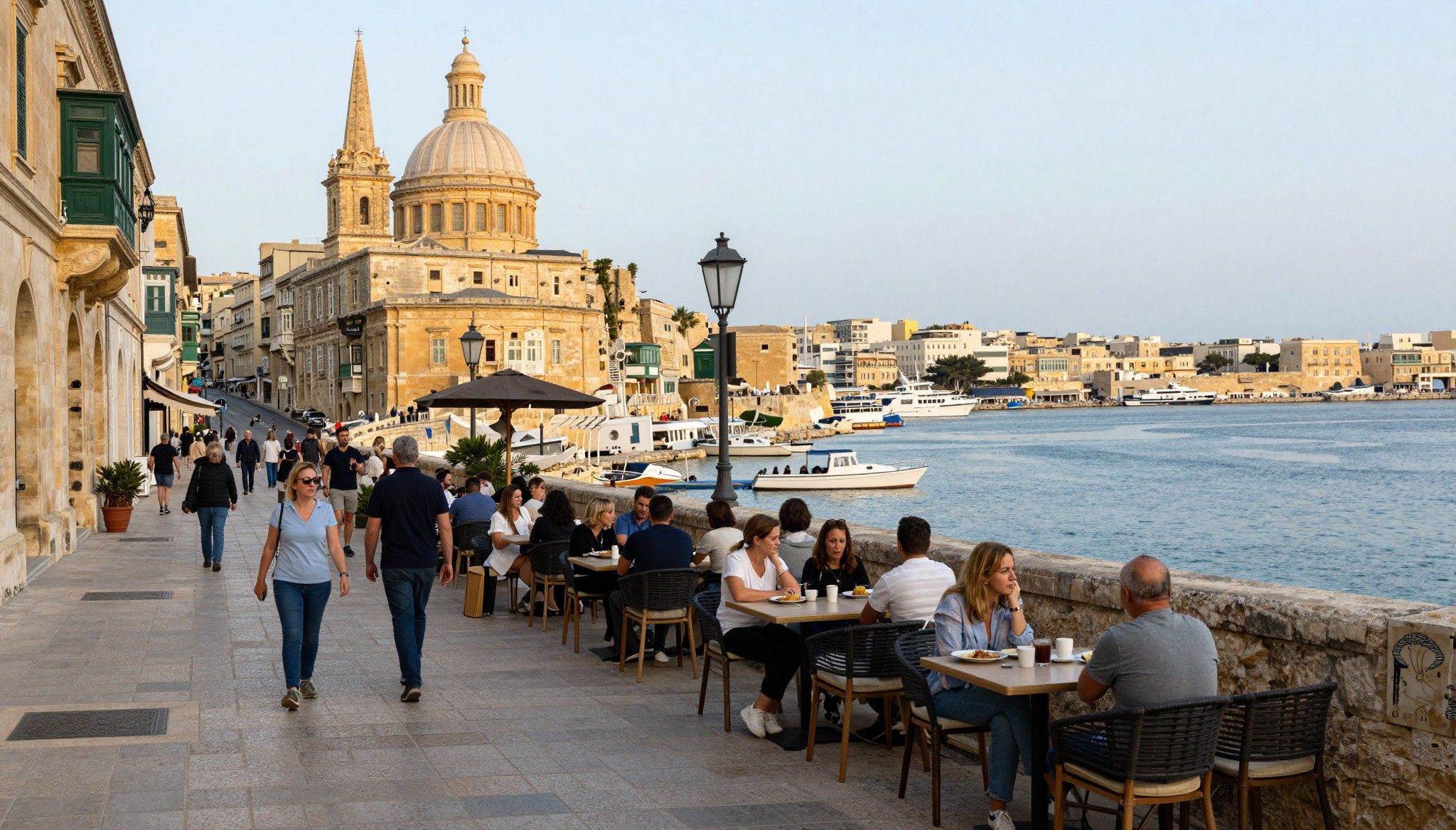
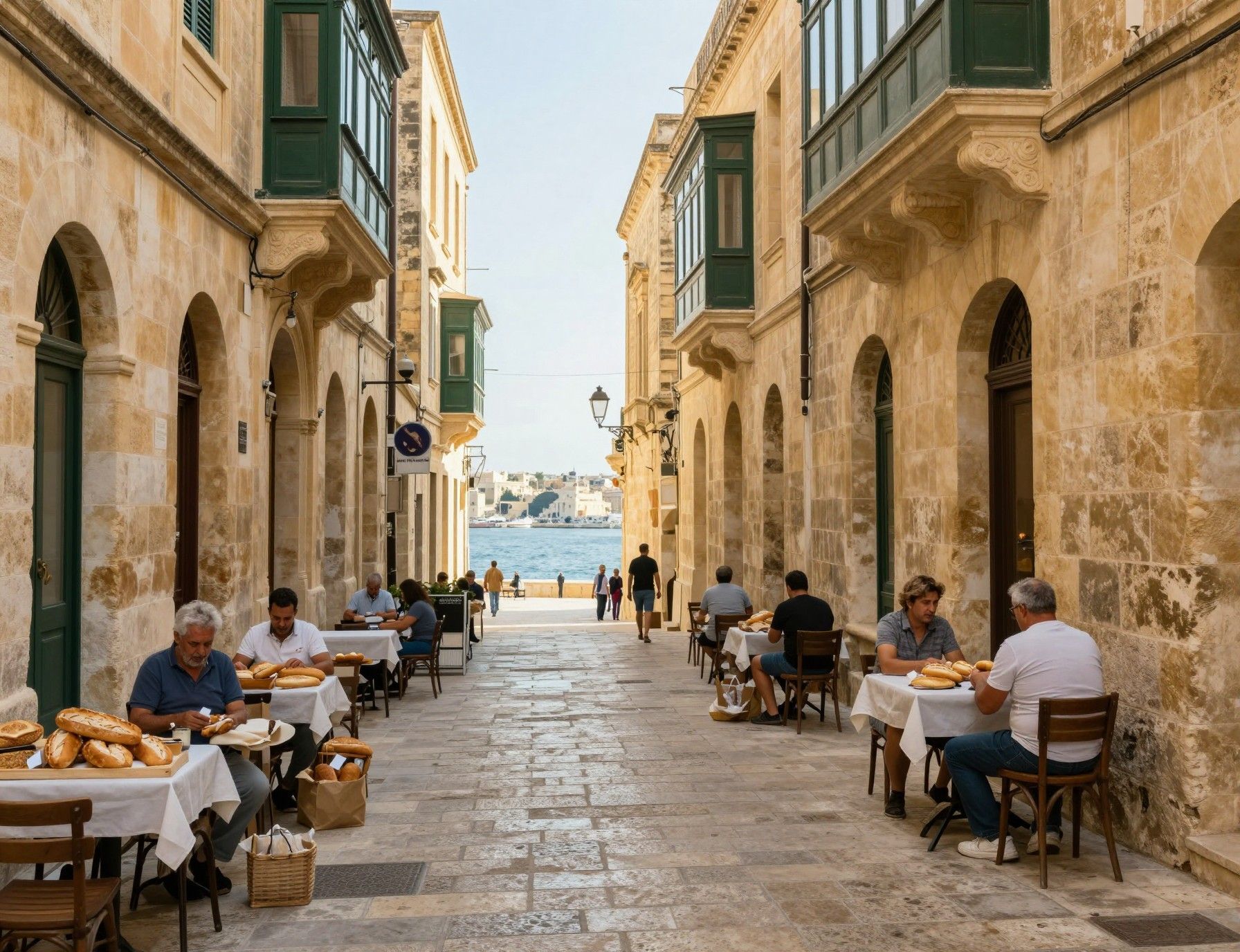
Imagine waking on a limestone street in Valletta, the smell of espresso and fresh pastizzi drifting from a corner bakery as small fishing boats bob in the harbour. Living in Malta feels like compressed Mediterranean life: short commutes, late-night neighbourhood feasts, and neighbourhoods that change personality block by block. But for international buyers the question is never only about atmosphere — it’s about whether that sunlit terrace will pay for itself. Recent market analysis shows buyers should marry lifestyle desires with yield discipline before making an offer.
Living Malta: compressed Mediterranean life
Life in Malta reads as a sequence of vivid neighbourhood scenes. Mornings in Sliema and Gżira mean coffee on seafront promenades, remote workers at corner cafés, and ferry crossings to Valletta; evenings in St Julian’s shift toward restaurants and nightlife near Portomaso. The island’s scale — a 30–45 minute drive end-to-end — compresses choices: you can live in a serene village like Mellieħa and still be in town for work. That compactness makes location decisions disproportionately important for returns: a better street can mean a materially higher rental rate.
Valletta: the city-as-backyard. Narrow lanes, baroque facades, and waterfront bars give Valletta an almost urban-European density rare for an island nation. Apartments here attract cultural tourists and long-stay renters who pay a premium for authenticity; however, supply is limited and restoration costs can compress yields. For investors who value capital preservation and boutique short-term rental potential, Valletta is a pick — but budget for refurbishment and strict heritage regulations.
St Julian’s and Sliema: liquidity and tenant demand. These northern harbour towns are rental workhorses: consistent demand from iGaming professionals, finance staff, and tourists keeps occupancy high. Expect comparatively higher prices per square metre but faster tenant turnover and clearer short‑let potential. For buy-to-let investors seeking straightforward cashflow, these towns often outpace peripheral localities despite a lower cap-rate than inland bargains.
Lifestyle highlights in Malta
- Morning promenade coffee in Sliema (Tigné Point to Exiles)
- Sunday parish feasts in Żabbar or Marsaskala — local gastronomy and community
- Weekend swimming at Għajn Tuffieħa or golden sands of Mellieħa Bay
- Evening aperitivo in Valletta’s open squares, then a late walk along the Grand Harbour
Making the move: lifestyle meets market reality
Dreams of terrace breakfasts must confront Malta’s recent price and yield data. Property prices rose materially through 2024 — the IMF and local reports note apartment-led gains — and gross rental yields nationally sit below many European peers. Buyers should reconcile expected lifestyle premiums with a conservative yield model before bidding. Use verified market indices to benchmark price-per-square-metre and build a three‑year cashflow projection that includes refurbishment and management costs.
Property styles & what they mean for living and returns. Apartments and maisonettes dominate Malta’s market; maisonettes offer private street access and outdoor space but often require more maintenance. Converted palazzos in Valletta sell scarcity and charm but carry higher restoration and compliance costs. New-builds in Sliema and St Julian’s provide modern amenities and easier tenant attraction, often at a premium price per square metre.
Agencies are lifestyle translators. A skilled local agent does more than show properties: they map rental demand by neighbourhood, identify conservation constraints, and help estimate realistic net yields. Choose advisers who demonstrate transaction experience with non‑resident buyers and can provide recent comparable rents and occupancy data. Insist on written market comparables and a breakdown of expected ongoing costs — utilities, management fees, and communal charges — before signing.
Practical steps (lifestyle + financial) before you buy
- 1. Visit neighbourhoods across times of day to test noise, traffic and social life.
- 2. Obtain three local rent comparables and run a net yield model including management and refurbishment.
- 3. Check residency rules and minimum property thresholds if you plan to apply for Malta Permanent Residence; policy changes in 2025 increased minimum purchase values for qualifying properties.
Insider knowledge: expat realities and long-term trade-offs
Expats often arrive charmed and discover that daily life in Malta is intensely localised: parish festas, bilingual service in English and Maltese, and strong neighbourhood ties shape social integration. Language is less a barrier than cultural rhythm: many social bonds form around church squares and community clubs rather than coworking spaces. Long-term owners report that property value appreciation correlates with proximity to transport nodes and international schools more than with sea views alone.
Cultural integration, language and community
English is an official language and makes everyday life accessible, but true integration follows neighbourhood participation: weekly markets, voluntarism at local festa committees, and casual conversation at the bar. For families, proximity to international schools in Swieqi and Pembroke drives location choice and maintains resale liquidity. Small social investments — attending a festa, learning a few Maltese phrases, joining a local sports club — materially improve the quality of life and tenant networks.
What investors should know about yields and risk. Gross rental yields in Malta are modest relative to higher-risk markets — recent figures put national gross yields below 4% — and short‑let strategies can inflate gross returns but introduce regulatory and management complexity. Factor in management fees (typically 10–20% for short lets), vacancy, and service charges when modelling net yield. Conservative underwriting assumes a 20–30% haircut to headline gross figures to reflect these realities.
Red flags local buyers often miss
- Unclear title histories in older palazzos — demand thorough legal due diligence.
- Underestimating communal maintenance and elevation works on terraced streets.
- Counting on short‑let income without confirming local licensing and association rules.
Long-term lifestyle and portfolio fit
Malta works best as a tactical portfolio complement: stable European jurisdiction, English-language access, and strong tourism flows support capital preservation. Expect lower headline yields than some southern European coastal bargains, but also expect lower regulatory unpredictability than many emerging markets. For mixed-use investors, pairing a Valletta boutique unit (capital appreciation) with a St Julian’s rental (cashflow) balances return profiles and preserves lifestyle options for owner-use.
Final practical checklist before the offer
- Confirm property qualifies for any residency route you care about and document minimum purchase thresholds.
- Obtain local rent comparables and run a three‑year cashflow including a conservative vacancy and management buffer.
- Commission a site‑specific technical survey for older buildings and budget 5–15% of purchase for immediate works where needed.
Malta seduces quickly — the daily ease of Mediterranean life is real — but international buyers should treat the island as any financial market: measure yields, stress-test occupancy, and budget for the local idiosyncrasies of restoration and communal living. Pair that discipline with local advisors who can translate parish‑level colour into numbers. When lifestyle and underwriting align, Malta becomes not just a dream place to live, but a credible component of a diversified property portfolio.
The YieldistNorwegian market analyst who relocated from Oslo to Mallorca in 2016, guiding Northern buyers through regulatory risk, currency hedging, and rentability.
Related Articles
More insights that might interest you
 Villa Curated
 The Yieldist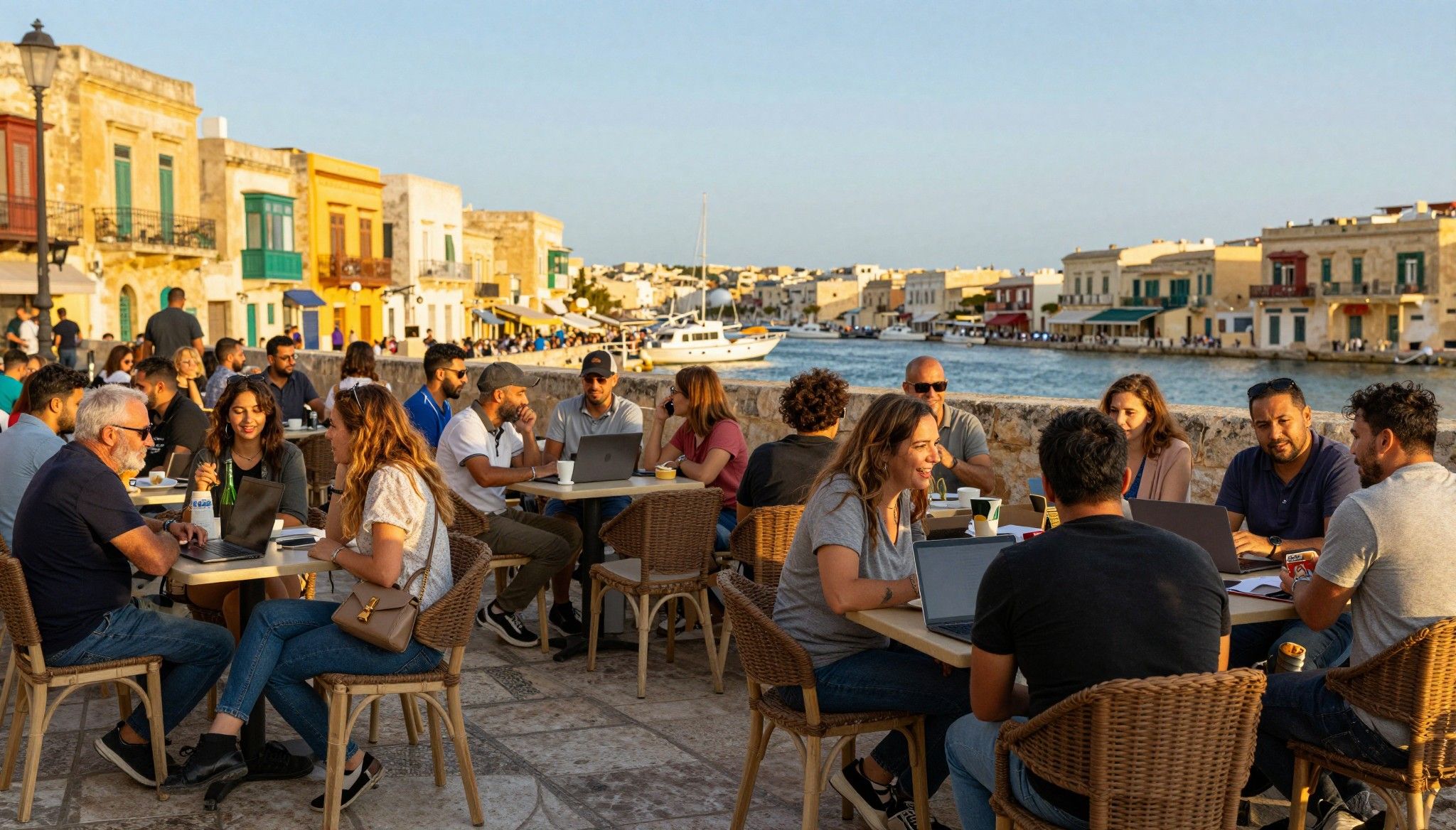
 MoveSettleGo

