Why Winter Viewings in Italy Beat Summer Hype
Why winter viewings in Italy reveal the true investment—test heating, community life and vacancy risk to secure steadier yields and clearer negotiations.
 The Yieldist
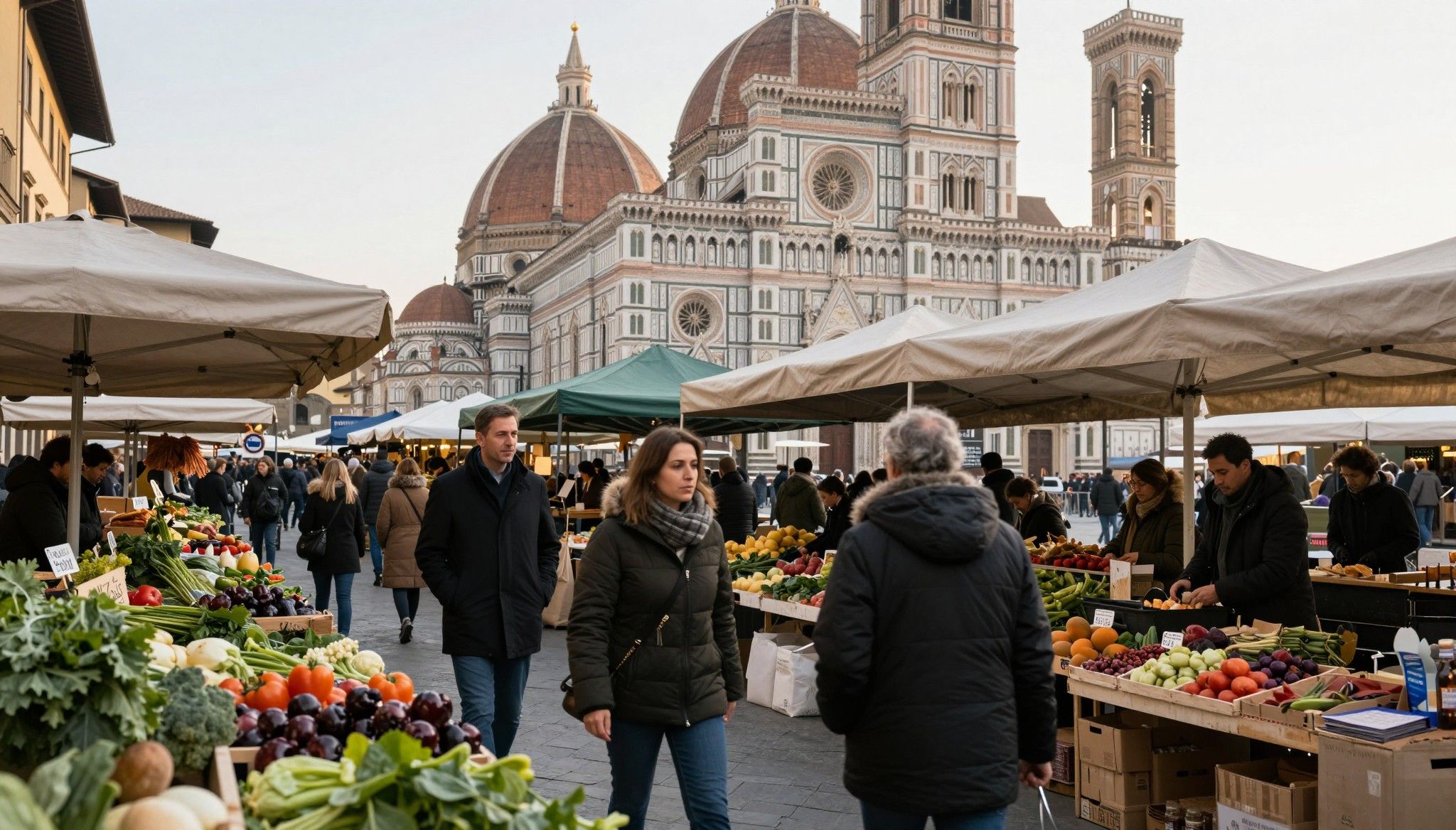
Imagine a crisp weekday morning in November: espresso at a corner bar in Trastevere, empty cobbled lanes in Siena, a sea of rust-red leaves in Piedmont vineyards. Winter in Italy softens the tourist noise and reveals the rhythms locals live by — and that reveals opportunity to buyers.
Living the Italian life — why season matters
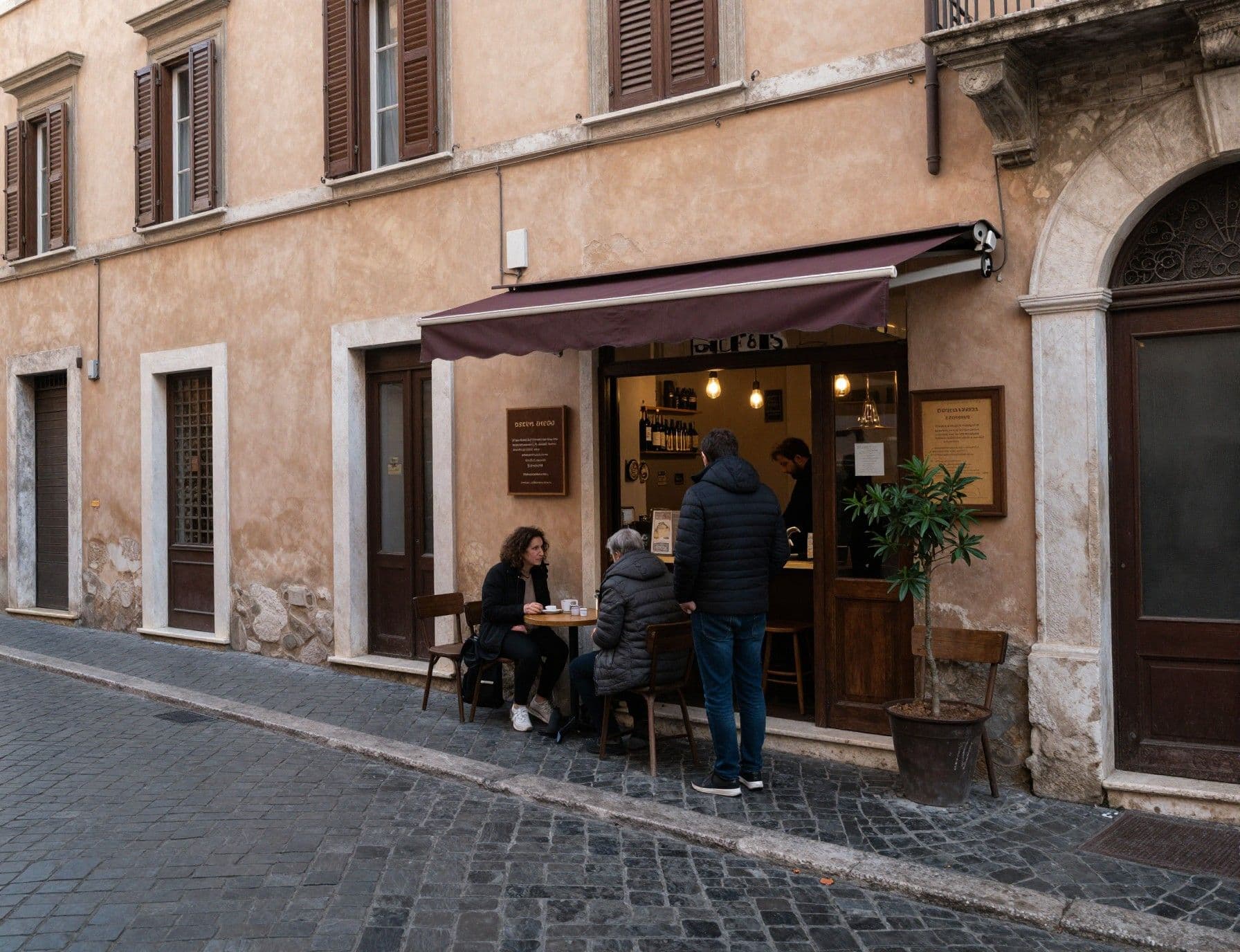
Italy’s appeal is obvious: food markets, daily piazza life, regional identity by street and plate. But the way those atmospheres change across seasons materially affects property choice — proximity to markets, insulation and heating, access to local services — all of which influence long‑term returns and tenant demand.
City centre pulse: Rome, Milan, Florence
In Rome’s Trastevere or Milan’s Navigli, winter weekday life exposes reliable rental demand: students, professionals and long‑stay tourists who prefer centrally heated, well‑connected flats. Savills reports steady prime-city rental resilience that supports short- and mid-term incomes, making winter viewings effective for assessing true season‑round demand.
Coastal calm: Liguria, Amalfi, Sardinia off-season
Coastal towns that feel frenetic in July become manageable in winter. You can inspect maintenance issues hidden by summer staging — damp in basements, erosion at sea walls, or insufficient winter heating — and negotiate from a position of clarity rather than hype.
- Lifestyle highlights to check during winter viewings: morning markets (Mercato Centrale in Florence), weekday cafe life (Piazza Navona mornings), quieter coastal walks (Portofino paths), local trattorie open year-round (Trattoria da Enzo, Rome), and public transport frequency on non-tourist timetables.
Making the move: practical considerations in winter
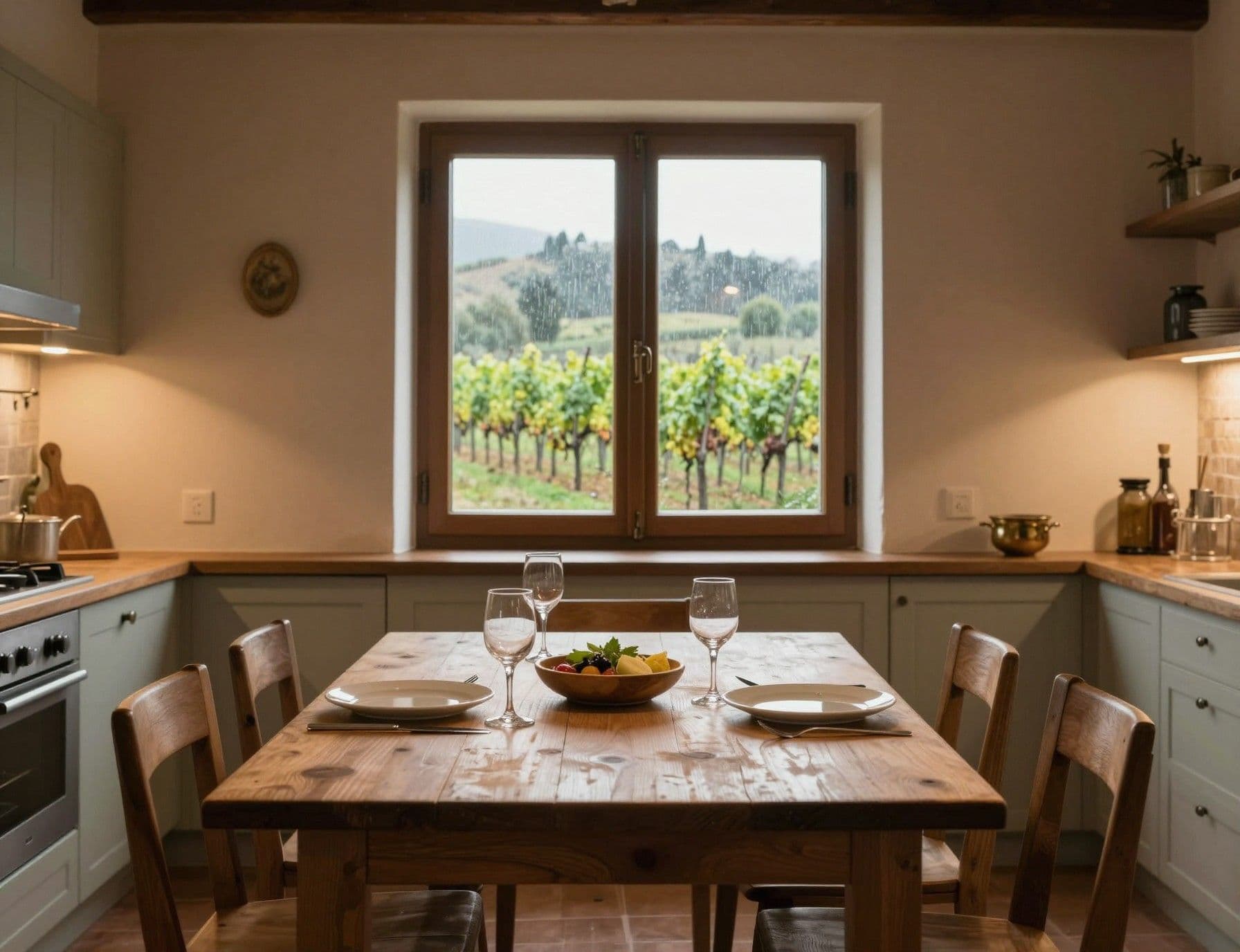
Winter house‑hunting is not just romantic; it aligns with clear data points. National indices show modest price growth in recent years, while prime yields compress in city cores. Viewing properties in the cold months lets you test insulation, heating systems, and realistic occupancy — inputs that materially alter net yield calculations.
Property types and winter suitability
Stone-built rustic homes in Tuscany often need upgraded heating; city apartments usually have central systems. For investors, match thermal performance (U-values), heating costs, and tenant expectations to rental strategy: short-term tourist lets need reliable heat and fast internet; longer-term leases value comfort and local services.
Local experts who matter in winter
- 1. A local surveyor who can test damp, insulation and heating efficiency during cold weeks. 2. An estate agent with off‑season transaction experience and local owner relationships. 3. A property manager familiar with winter maintenance (mould prevention, boiler servicing). 4. A tax/legal advisor to model total cost of ownership including seasonal utility spikes.
Insider knowledge: what expats wish they'd known
Expats often fall for sunlit listings and overlook practical winter realities: heating costs, municipal waste schedules, school term calendars and slower bureaucratic timelines. Bank of Italy and local sources underline that financing conditions and transaction timing can shift with macro cycles — winter negotiations can capture buyers when sellers are motivated.
Cultural integration and daily life in cold months
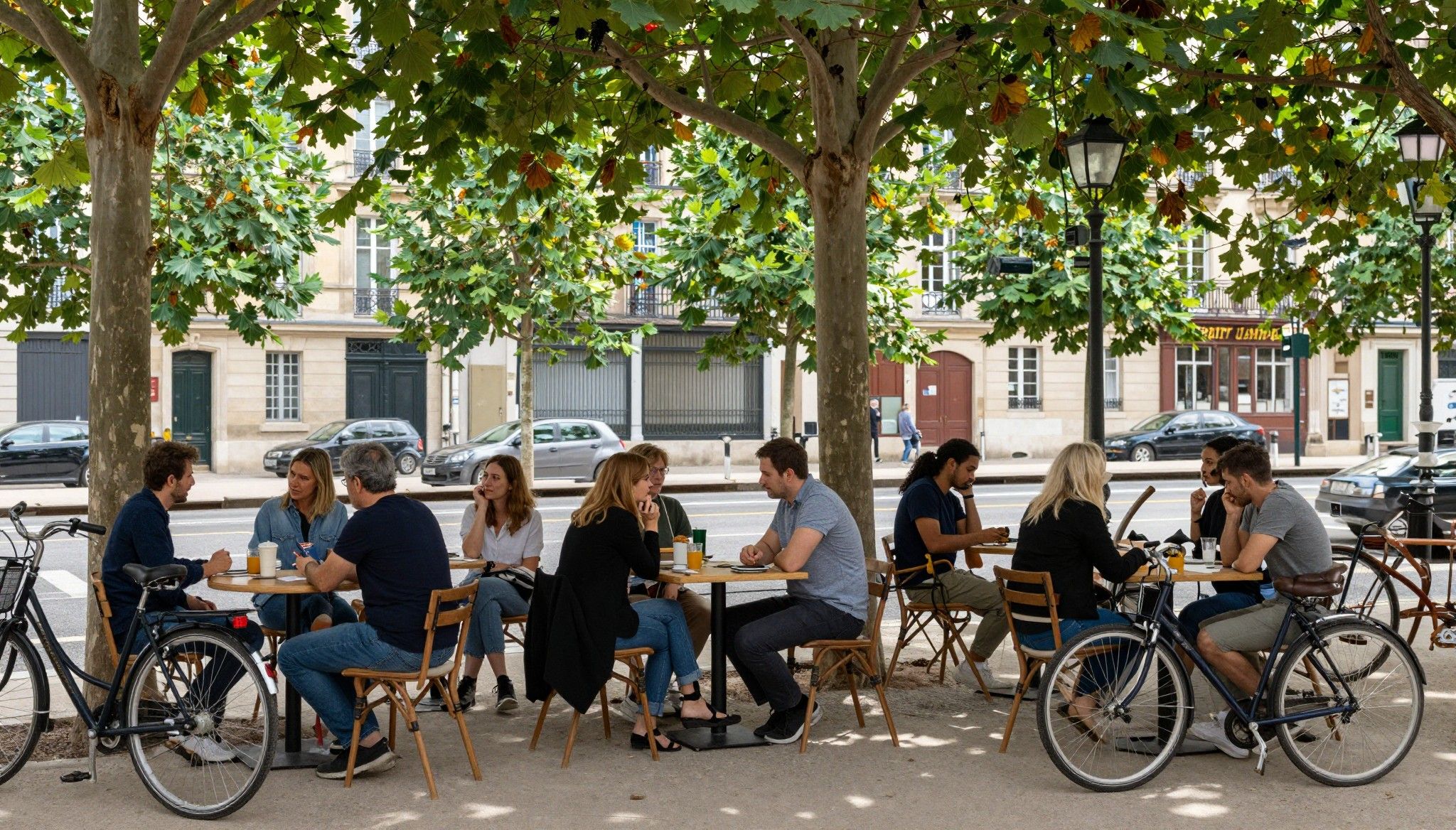
Winter reveals true local life: neighbourhood bars full of regulars, municipal services in action and community clubs that meet year‑round. Learning these rhythms helps choose neighborhoods where you’ll be accepted — and where tenants want to stay.
Long‑term lifestyle and market consequences
Properties that perform well in winter tend to be resilient assets: good thermal envelope, reliable services, and proximity to daily conveniences. These features reduce vacancy risk and support steady rental income across seasons, improving realized yields and lowering management overhead.
- Quick winter‑view checklist for investors: • Check boiler and radiators running on a cold morning. • Inspect windows and shutters for draughts (affects heating bills and tenant comfort). • Visit local weekday markets and a school run to test community life. • Ask neighbours about seasonal rental demand and maintenance costs. • Request seasonal utility bills and recent service invoices.
Conclusion: If you want a property that performs year‑round, winter is not the time to delay — it’s the time to see the real Italy. Viewings in November–February let you assess durability, negotiate with clearer comparables, and secure assets that deliver predictable yields. Start with a local surveyor, a manager who understands winter maintenance, and an agent who knows off‑season pricing dynamics.
The YieldistSwedish financier who guided 150+ families to Spanish title deeds since relocating from Stockholm in 2012, focusing on legal and tax implications.
Related Articles
More insights that might interest you
 Villa Curated
 The Yieldist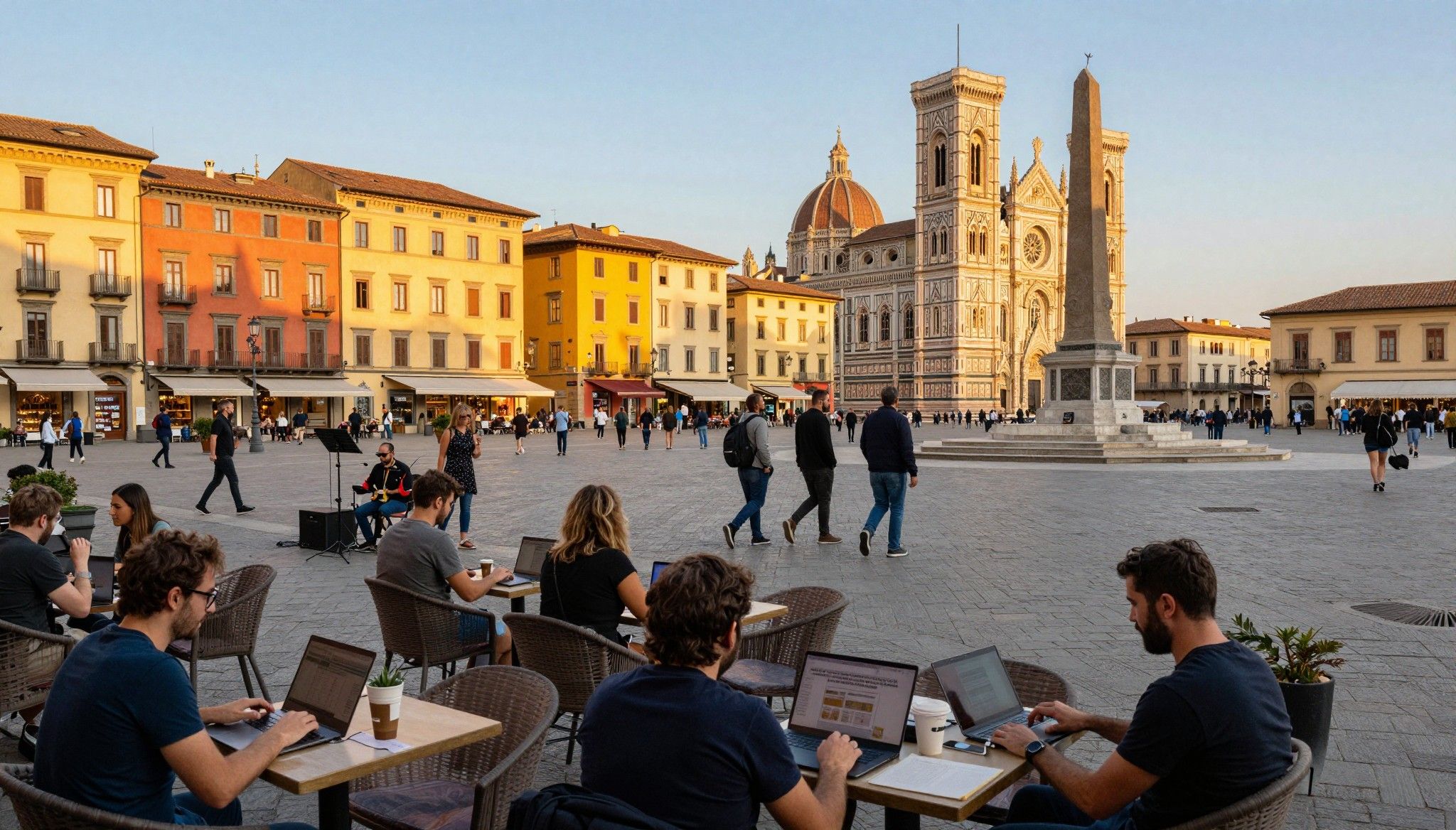
 MoveSettleGo

