The Summer Illusion: Where Italy’s Market Softens
Italy’s market is nuanced: national price gains mask seasonal and neighbourhood opportunities. Prioritise place, provenance and local expertise to buy a life, not just square metres.
 Villa Curated
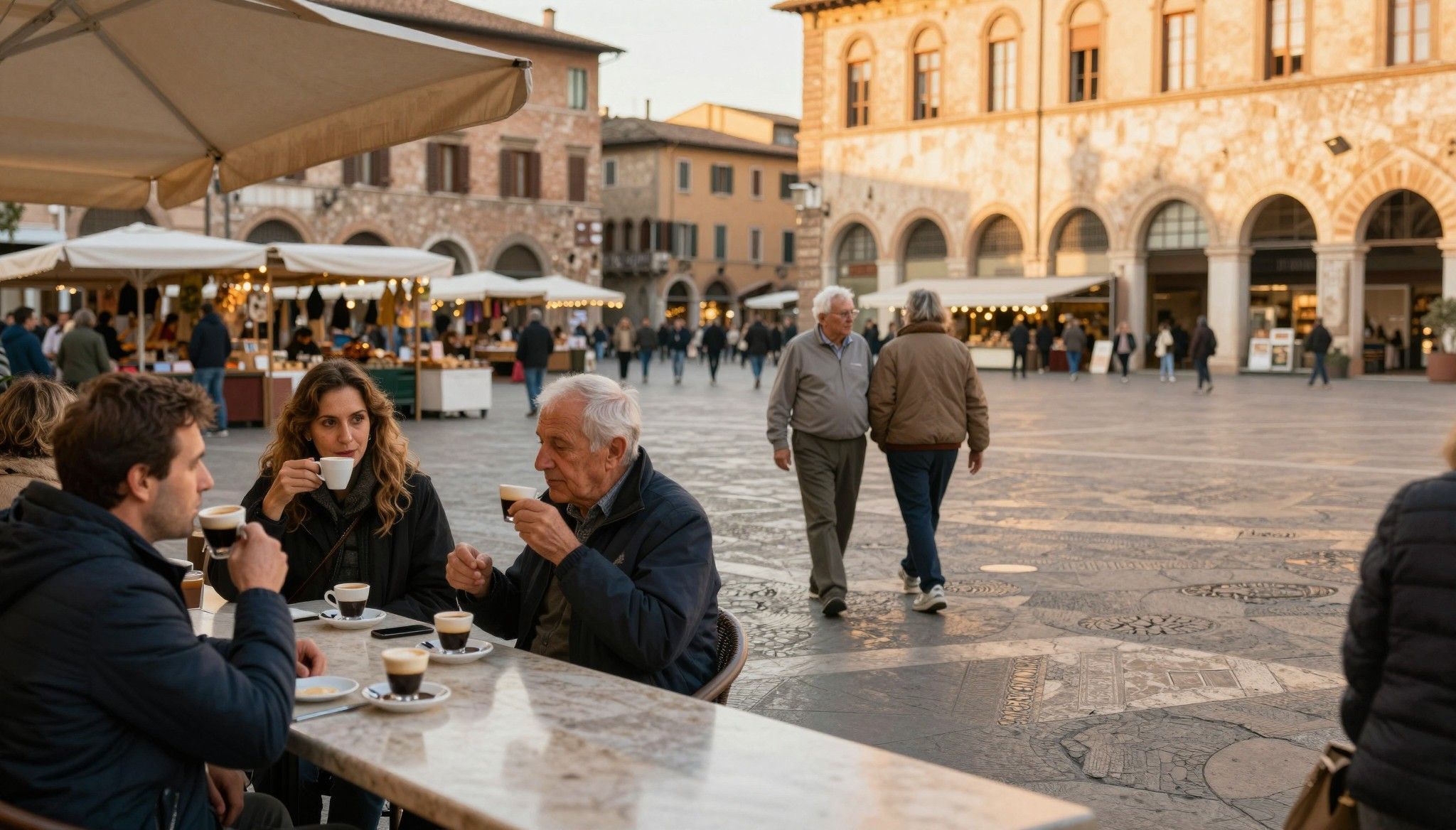
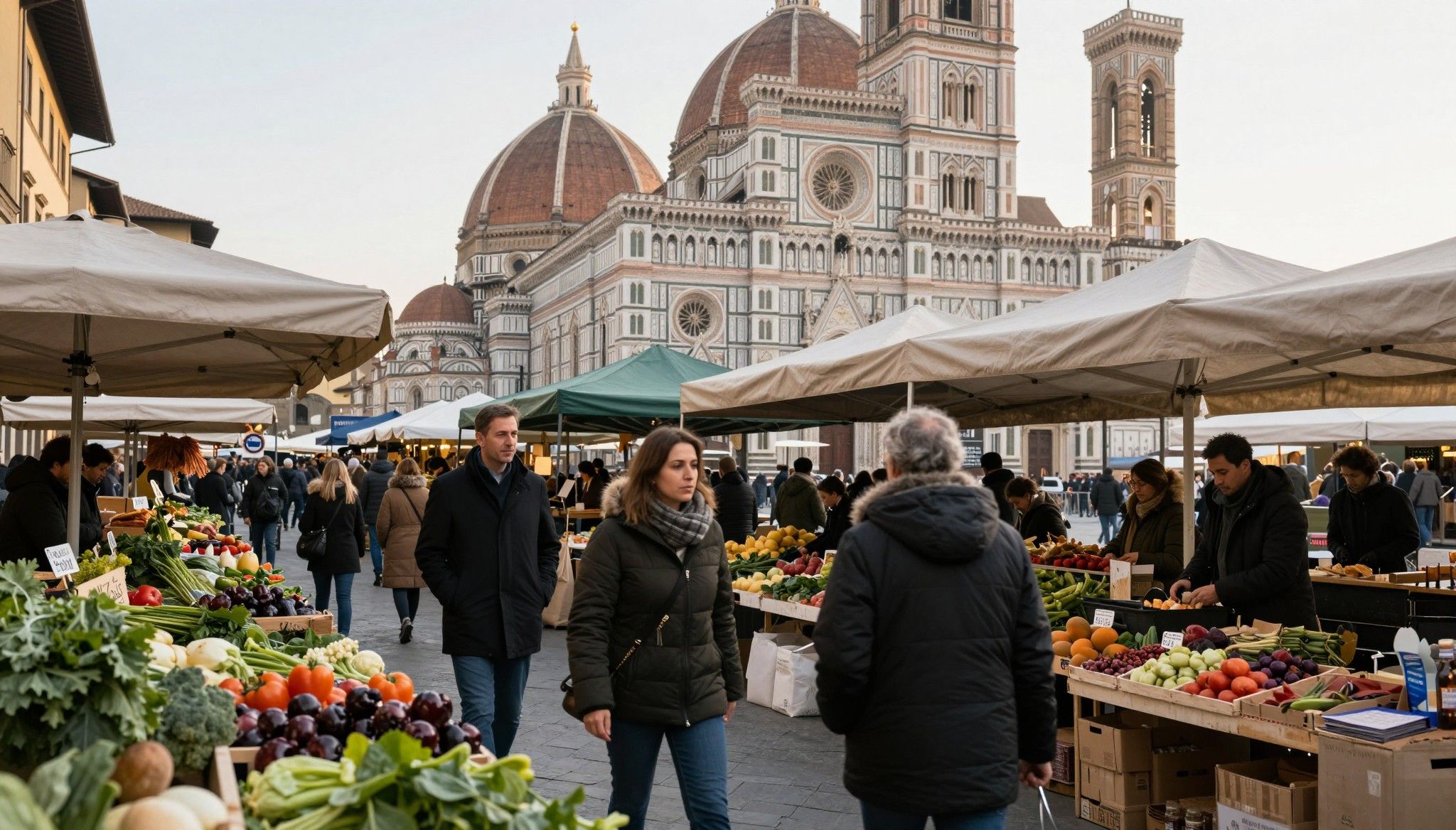
Imagine arriving in an Italian piazza at seven in the morning: soft light on travertine, a barista tamping with steady rhythm, baskets of market produce arriving at the stall on Via dei Coronari. Life here unfolds in deliberate acts — long lunches, late passeggiate, neighbourhood loyalties that decide where you buy your bread and, for many, where they put down roots. That very rhythm changes what you look for in property: a bright second‑floor apartment steps from a café counter, a modest villa with a lemon garden, or a palazzo in need of a careful steward. Recent market signals suggest that the calendar — and not only price per square metre — often determines value for international buyers in Italy. (See recent Istat data).
Living the Italian Life, Not the Checklist
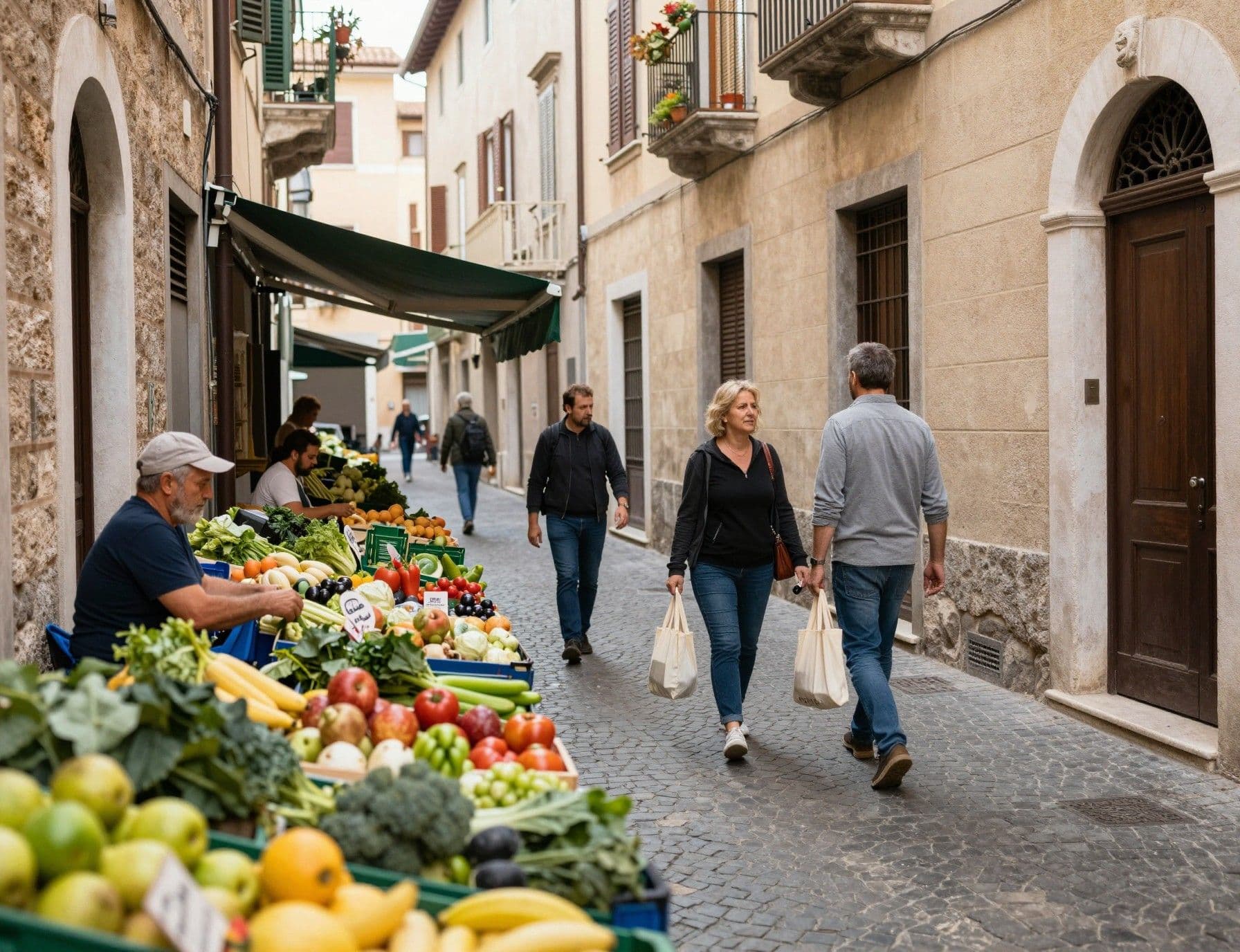
Italy is a country of temperate paradoxes: frenetic urban mornings in Milan, slow autumn afternoons in Umbria, and a coastal tempo in Puglia defined by seafood restaurants that open with the tide. To live well is to layer rituals — market mornings in Campo de' Fiori, an aperitivo on Navigli, a Saturday morning mercato in Sant’Ambrogio — and to let those rituals shape the home you buy. These rhythms explain why many buyers sacrifice square footage for locality; a modest flat in Trastevere can yield a richer daily life than a larger, quieter property on the periphery. The practical consequence is that neighbourhood specificity often outperforms broad price indices when forecasting household satisfaction.
A Few Neighbourhoods That Tell the Story
In Rome, Trastevere rewards walking lives: narrow lanes, artisan workshops, and tavernas where proprietors greet you by name. Contrast that with EUR, where 1960s rationalist architecture offers larger interiors and parking but a different daily cadence; both suit different ambitions. In Milan, the Quadrilatero and Brera speak to collectors and fashion insiders, while Lambrate and Isola attract design‑minded buyers seeking studio culture and adaptive reuse projects. Along the coast, towns such as Polignano a Mare or Positano trade intimate scale for seasonal flux; the home must work for both summer occupancy and quieter winters.
Food, Markets and the Architecture of Days
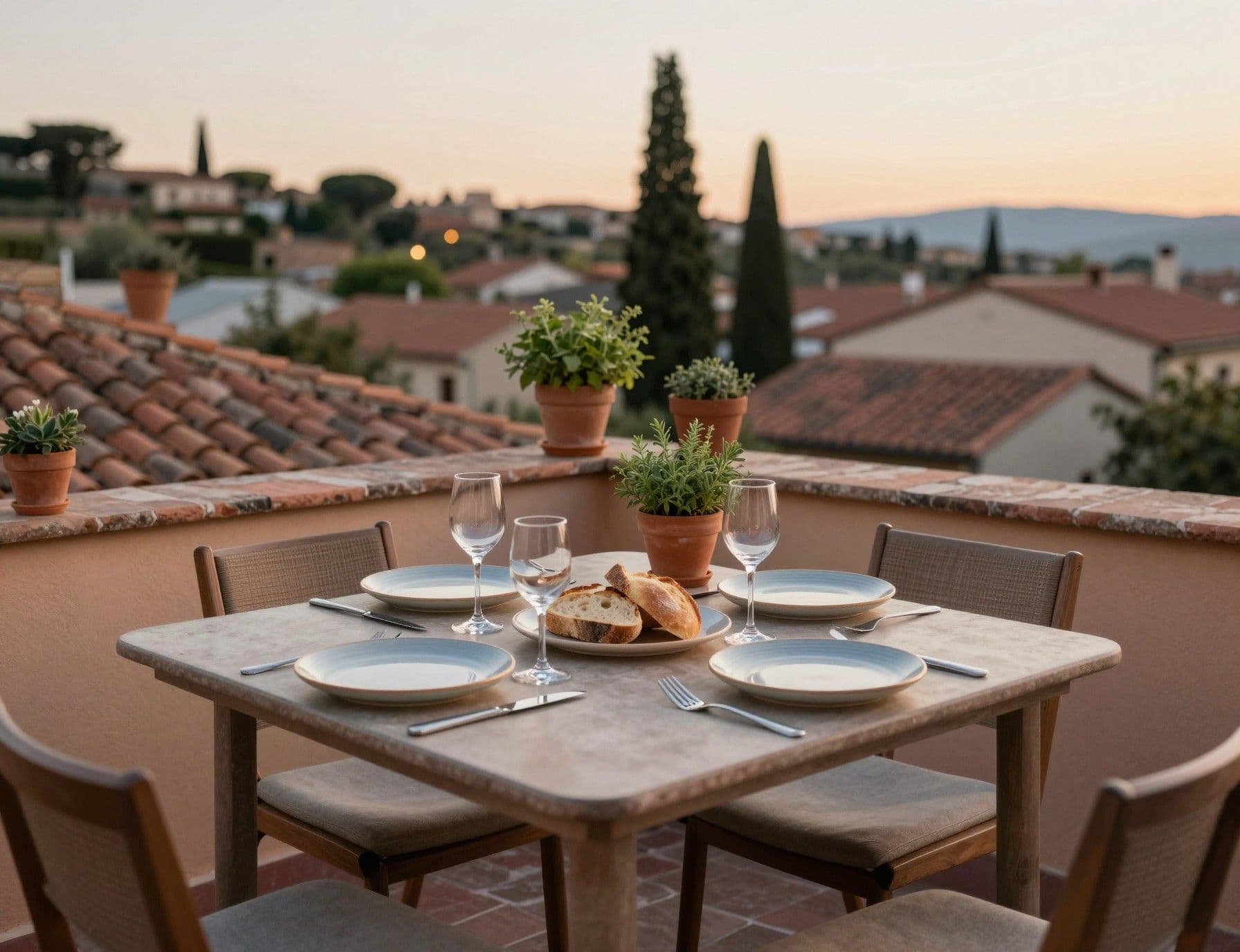
Food is a structural element of place. In Bologna, the morning market around Piazza VIII Agosto sets rhythms that neighbourhood cafés, schools and family life align with; in Siena, contrada loyalties shape community life and even small renovations. The consequence for buyers is practical: kitchens matter, storage for seasonal goods matters, and outdoor space that allows for an herb garden or a table for eight often adds more daily utility than a second bathroom. When considering an Italian purchase, think of how meals, markets and social rituals will inhabit the rooms you choose.
- Morning espresso at a counterside bar in Trastevere; weekly mercato at Porta Palazzo in Torino; aperitivo along Navigli in Milan; a Sunday passeggiata on Viareggio’s promenade.
Making the Move: Practical Considerations That Preserve the Life You Seek
Translating a desire for an Italian life into a sound purchase requires marrying sensory preference with market reality. National indicators show modest price growth in recent years, yet performance is patchwork: prime central areas and sought‑after alpine resorts outperform many provincial markets. A prudent buyer uses broad statistics as orientation and neighbourhood‑level data and local knowledge to make decisive choices. Agencies that can reconcile lifestyle priorities with confirmed micro‑data are the ones worth retaining.
Property Types — What Each Really Gives You
A historic centro storico apartment offers immediate cultural immersion: high ceilings, original floors, and a life lived on the city’s rhythm, but often limited parking and higher maintenance. A countryside farmhouse in Tuscany buys space, privacy and potential for agritourism but requires infrastructure attention and a tolerance for seasonal isolation. Newer condominiums near transport hubs give modern comfort and lower maintenance but less provenance; collectors often prefer properties with tangible history and craftsmanship. Your choice should begin with the life you intend to lead and then ask which building type supports it.
Working with Experts Who Understand Local Life
A local agency's value lies less in showrooms and more in taste: knowing which cobbled street retains quiet evenings, where spring floods affect basements, and which notary will expedite a clean title. Seek advisers who can show provenance — recent restorations, documented maintenance, and contracted artisans — rather than glossy staging alone. For international buyers, an agent fluent in both your expectations and Italian practice (contratto preliminare, rogito, cadastral records) will protect lifestyle and investment in equal measure.
- Define lifestyle priorities (commute, schools, markets); inspect at different seasons; commission a local surveyor; confirm service connections and insurance options; secure a notary and local tax advisor.
Insider Knowledge: What Expats Wish They'd Known
Many expats are surprised that Italy’s market can appear simultaneously buoyant and quietly generous with value. National indices record modest annual growth, yet opportunity often appears off the beaten path: overlooked hill towns, peripheral pockets undergoing artisan‑led renewal, and seasonal markets where motivated sellers price with calendar awareness. Knight Frank and similar reports highlight concentration in prime segments, but the broader market rewards patience and a local eye. Learning to read neighbourhood seasonality — when rents peak, when owners list, and when restoration craftsmen are available — is part of buying well.
Cultural Nuances That Shape Where You Buy
Italian property life is social: condominium statutes, town councils, and contrada associations matter. A quiet street can be animated by an annual festa; a neighbour’s vineyard can define views for decades. Language is practical rather than decorative — learning basic Italian will materially ease transactions and integration. Expats who invest time in local rituals find they gain both better pricing insight and deeper community belonging.
Long‑term view: Italy’s combination of cultural capital and tangible restoration opportunities supports enduring value, particularly where stewardship preserves authentic materiality. Choose properties where conservation and sensible upgrades can enhance living while maintaining provenance. For investors, think in generational terms: durable materials, documented restoration, and neighbourhood continuity often outpace short‑term market froth.
- Inspect construction quality (stone, timber beams, mortar); prioritise documented interventions; verify seasonal running costs and insulation; favour locations with year‑round life, not only summer appeal.
Conclusion: If you want the Italy you dream of — the unhurried espresso, the market conversations, the light on old plaster — make decisions that privilege place and provenance over headline square‑metre metrics. Use national data as a compass and neighbourhood intelligence as your map. Begin by visiting at two different seasons, engaging a local surveyor and a culturally literate agent, and letting the rhythm of the neighbourhood decide the property you keep. With that approach, a purchase in Italy becomes not merely an investment, but an invitation to a life that endures.
Villa CuratedNorwegian with years in Florence guiding clients across borders. I bridge Oslo and Tuscany, focusing on legal navigation, cultural context, and enduring craftsmanship.
Related Articles
More insights that might interest you
 The Yieldist
 The Yieldist
 MoveSettleGo

