When France’s Buyer Protection Is Only on Paper
Bespoke insurance and buyer protection in France: marry sensory knowledge of place with precise, local insurance and notarial checks to safeguard lifestyle and value.
 Villa Curated
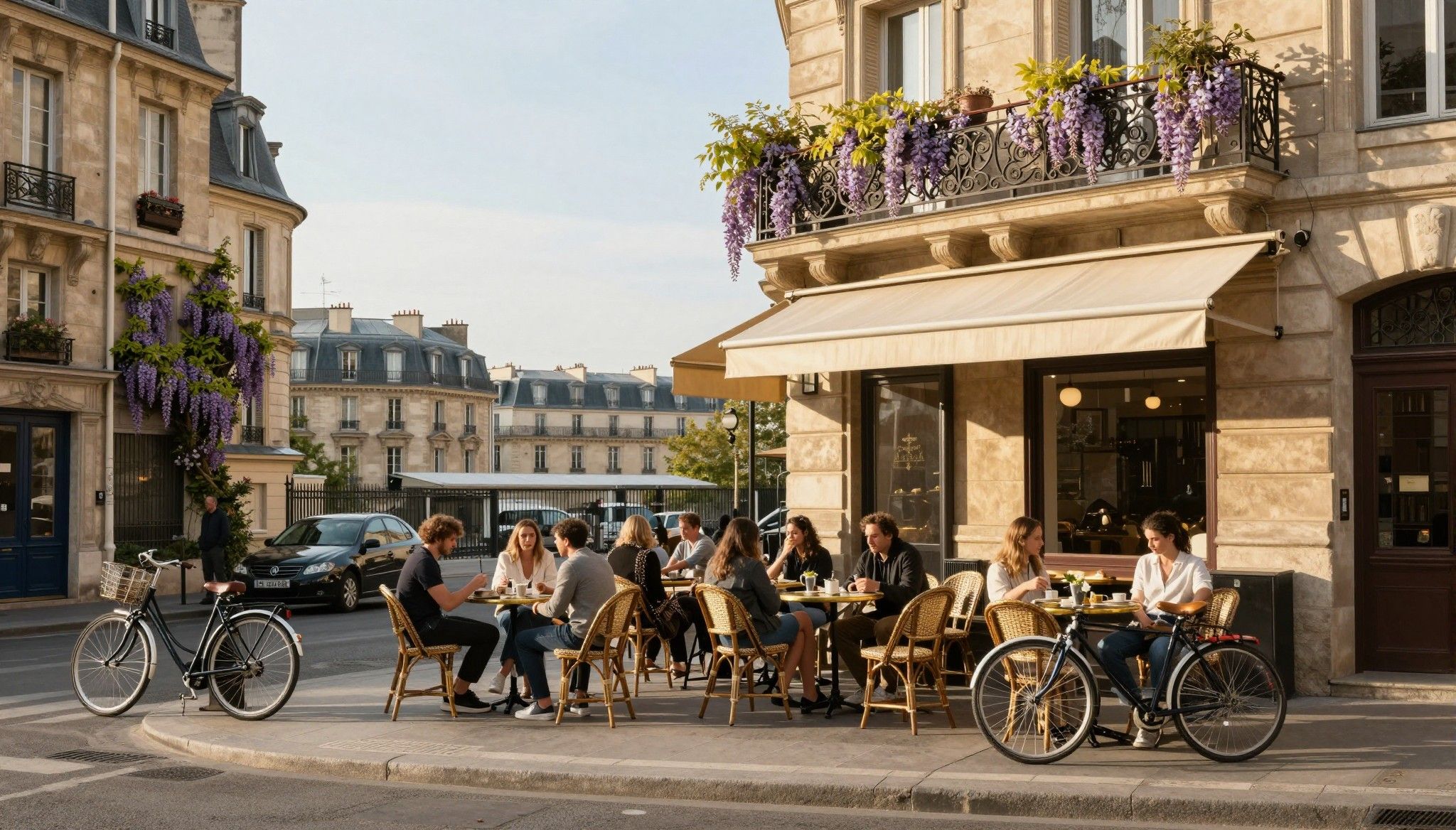
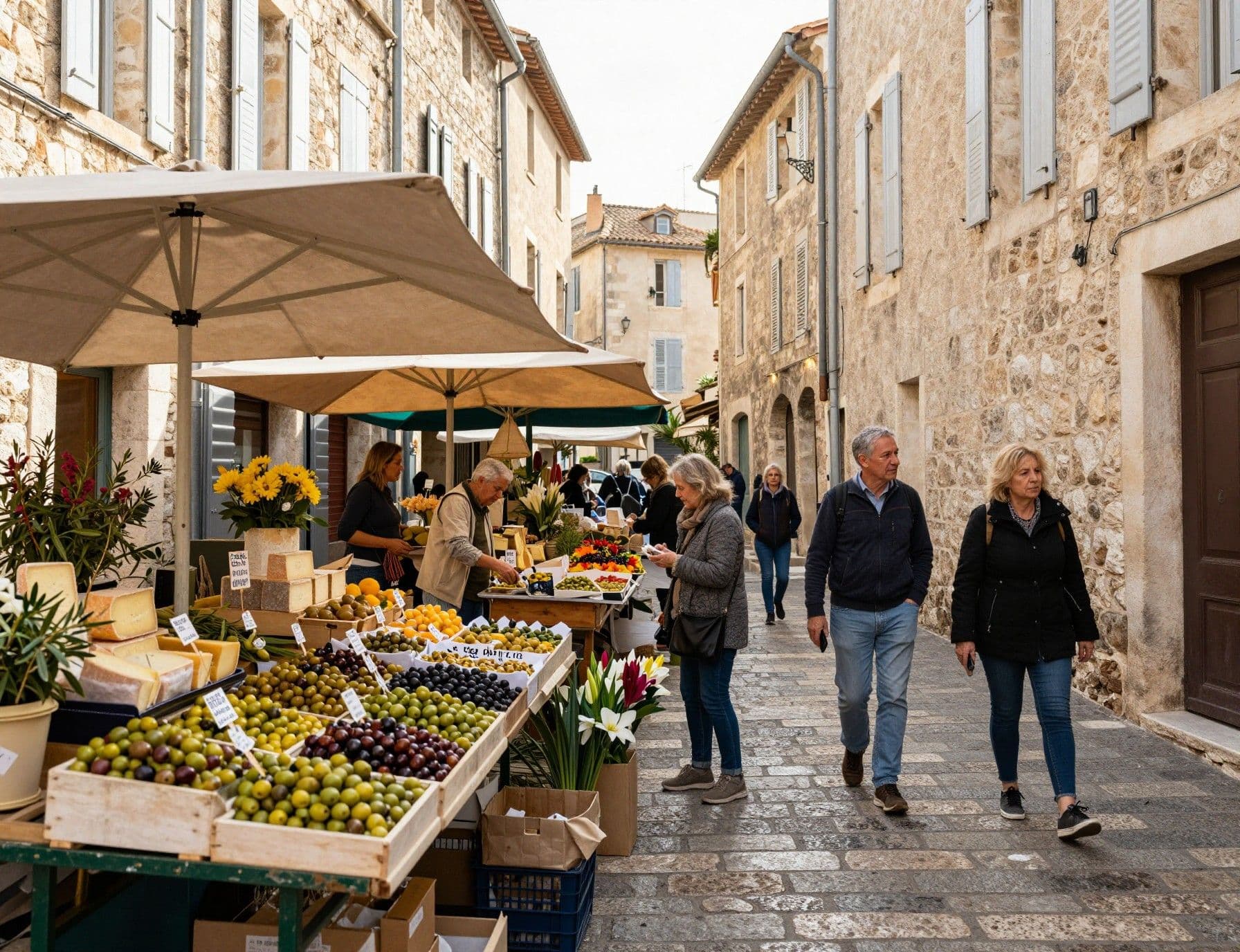
Imagine a Sunday in Aix‑en‑Provence: you step from a stone courtyard into the market, smell warm olives and fresh chèvre, then wander past a narrow rue of shuttered façades where a restored hôtel particulier sits quietly behind wisteria. That sensory clarity — light on limestone, coffee at a brass‑topped table, shutters lowering at dusk — is why buyers cross borders for France. Yet the same romance that draws you also conceals practical traps: insurance gaps, title assumptions, and protection that looks reassuring until a specific event reveals its limits. Recent market analysis shows how regional price movements and transaction patterns are shifting buyer risk profiles; awareness of those shifts is as important as knowing which alley café will become your regular.
Living the French life — and what it costs to keep it
France offers a dozen distinct daily rhythms: café mornings in the Marais, coastal markets in Biarritz, slow lunches in Beaune, and late summer fêtes on the Côte d’Azur. These routines shape what you need from a property — an airy apartment for city life, a stone farmhouse with cellars in the Dordogne, or a sunroom that reads well into autumn on the Riviera. But living here also means accepting local risks: seasonal storms on the Atlantic coast, old‑building concerns (rising damp, lead pipes) in historic centres, and differing liabilities when you rent the home part‑time to guests. Insurance is the first line of stewardship; understand it before you fall in love with a view.
Neighbourhoods that feel like home
A rue-by‑rue sensibility matters in France more than in many markets. In Lyon’s Vieux Lyon you’ll find vaulted cellars and cobbled courtyards; on Rue Cler in Paris life is a market procession; in Antibes the Provençal cafes meet a quietly guarded marina. These micro‑characters dictate insurance needs: a canal‑side ground floor in Bordeaux is exposed to flood risk; a Parisian Haussmann apartment often requires copropriété (building) insurance that covers communal staircases and historical façades. When an agent shows you a property, ask explicitly about the historic and environmental exposures tied to that street.
Food, markets and the calendar of life
There is a seasonal map to daily life: truffle season brings late‑autumn pilgrimages to Périgord, summer fêtes pack coastal villages, and winter markets warm Alsatian squares. These rhythms shape how you will use a property and how insurance should be arranged — for example, unoccupied‑property clauses are common and can void cover if a house is left empty for certain periods. If you plan seasonal occupancy or a rental programme, structure your policy around the exact months you expect to be absent.
Making the move: practical protection that preserves lifestyle
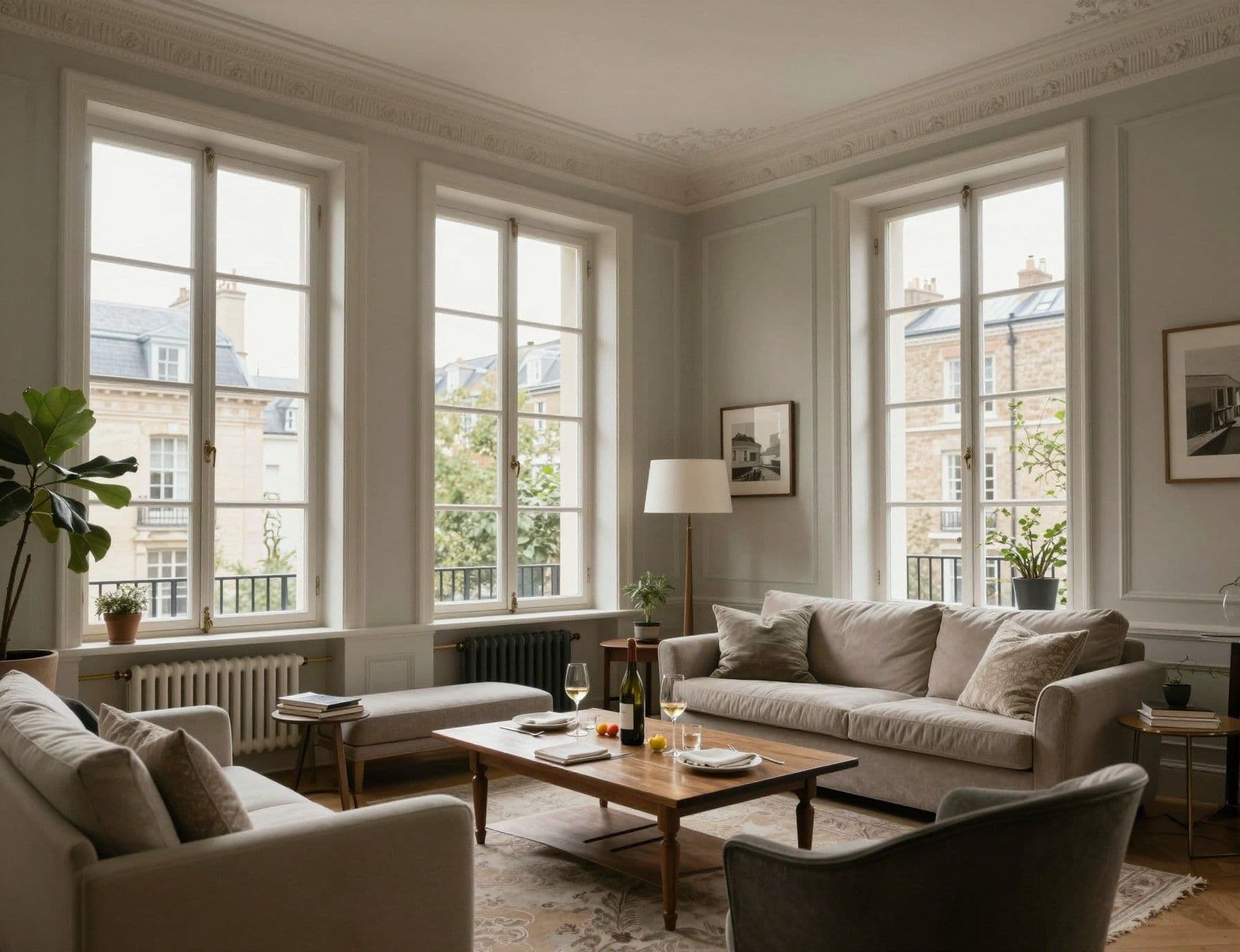
Turning a dream into a defensible asset demands attention to three converging threads: the sale contract, local copropriété rules, and insurance wording. French home insurance (assurance habitation) is widely available but precise in its exclusions; government guidance outlines common expectations for liability and occupant responsibilities. For international buyers, the difference between a policy that insures you and one that simply satisfies a notaire or lender can be significant. Read the exclusions, ask for sample clauses, and align coverage with the way you will actually live in the house.
Property styles and the protection they demand
Stone farmhouses, Belle Époque apartments, and recent builds each carry distinct vulnerabilities. Older masonry often requires specific coverage for subsidence, rising damp and historic roofs; coastal villas need wind and salt‑corrosion clauses; new developments may have defects‑liability windows that affect warranty claims. Match the insurance product to the building’s materiality and craft: a specialist insurer that understands zinc roofs, lime mortar repairs and listed‑building restoration will save time and preserve value.
How a local expert protects the lifestyle you seek
Work with a notaire, a dual‑language insurance broker, and a gestionnaire (property manager) who know the town rather than the region. A broker can translate policy terms, secure extensions for short‑let programmes, and advise on excesses that would otherwise surprise you after a claim. A notaire clarifies covenant obligations in a sale (servitudes, right of way) that often require indemnity cover. Together, they protect not just the building but the experiences — market mornings, garden suppers, and serene winters — that attracted you in the first place.
Insider knowledge: common mistakes and how to avoid them
Expats often assume French protections mirror those at home. They do not. Typical missteps include assuming standard policies cover flood damage without a declared flood map check, neglecting to declare intermittent rental activity, and failing to align the policy’s occupancy definition with the notaire’s deed. Notaires and INSEE data underscore regional divergences in price and risk; a coastal property purchased during a market dip may carry higher short‑term hazard exposure. Learn the local lexicon — garantie, franchise, sinistre — so your broker’s answers are exact rather than impressionistic.
Practical checks to run before you sign
1. Request the copropriété’s last three procès‑verbaux and confirm communal‑area responsibilities (roof, stairs, façades). 2. Obtain a copy of any past insurance claims or surveys for the property to see recurring issues. 3. Verify flood and seismic zoning for the parcel and secure tailored cover if the map shows exposure. 4. If renting, check the insurer’s position on short lets and register the activity where required. 5. Ask for sample indemnity letters used by local notaires when servitudes or pre‑emptive rights exist.
A step‑by‑step protection checklist
1. During offer: include a clause that makes sale conditional on satisfactory local survey and confirmation of insurance availability. 2. Before completion: obtain written quotes from at least two French brokers and one specialist for heritage properties. 3. After completion: register occupancy, confirm payment of any required communal levies, and secure a ménage (contents) policy within 30 days to avoid gaps. 4. Ongoing: schedule an annual policy review tied to actual occupancy and any rental activity you begin.
France’s texture — from the ice‑blue of Normandy mornings to the slow twilight in Provence — is what buyers pursue. Protecting that life requires more than a standard policy; it needs local knowledge, precise wording, and a team that values provenance as you do. Begin with clear questions, insist on translated clauses for international clarity, and let specialists advise on the small exclusions that otherwise become large problems. When protection is carefully chosen, your purchase is not only an investment in property but in the sequence of days you will spend there.
Villa CuratedNorwegian with years in Florence guiding clients across borders. I bridge Oslo and Tuscany, focusing on legal navigation, cultural context, and enduring craftsmanship.
Related Articles
More insights that might interest you
 The Yieldist
 MoveSettleGo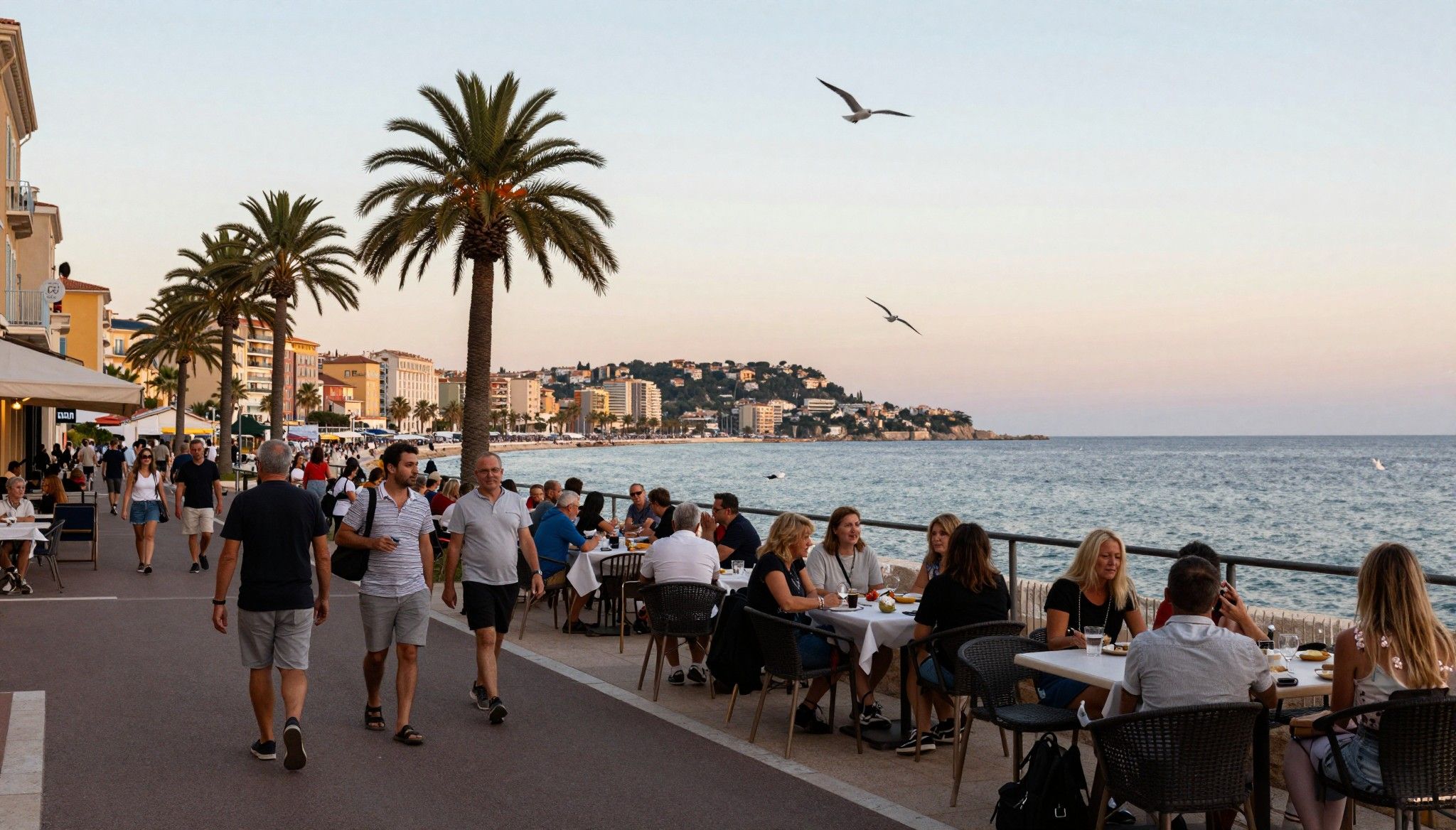
 Ashworth & Drake
