France: Fall in Love — Then Follow the Data
A lifestyle‑first, data‑aware look at buying in France: where national indices meet street‑level truth — seasonal rhythm, not headlines, should guide your move.
 Ashworth & Drake
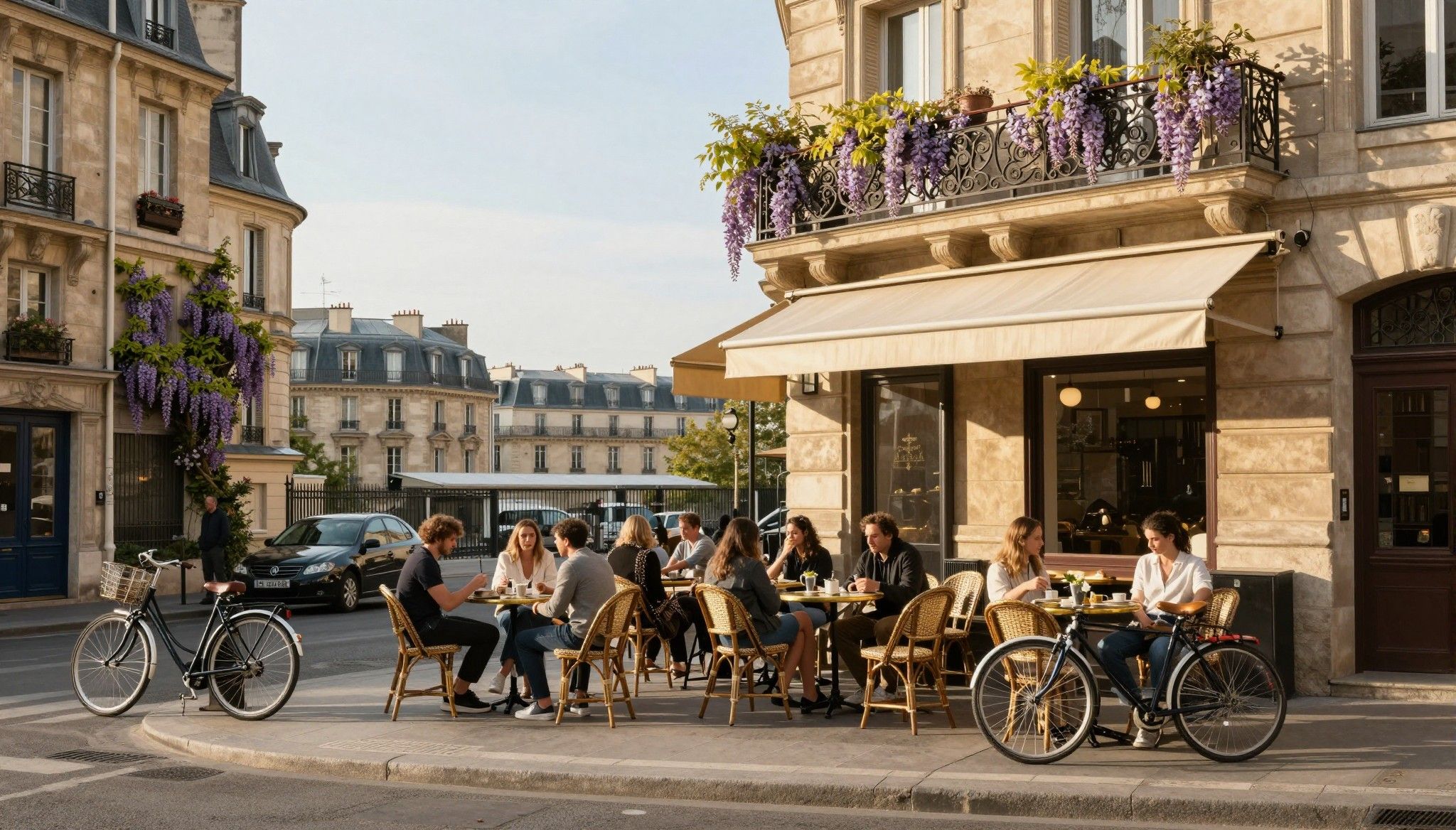
Imagine starting your morning with a café crème on Rue Cler in Paris, then driving south for lunch in a sunlit Provençal market — and realising the map of French property value doesn’t match the tourist brochure. Recent INSEE analysis shows the national picture is patchwork: some city markets firming, rural pockets cooling, and coastal towns dancing to their own seasonal tune. This guide blends that lived‑in French life with the price data you need to decide where to buy.
Living the French life — what you actually wake up to
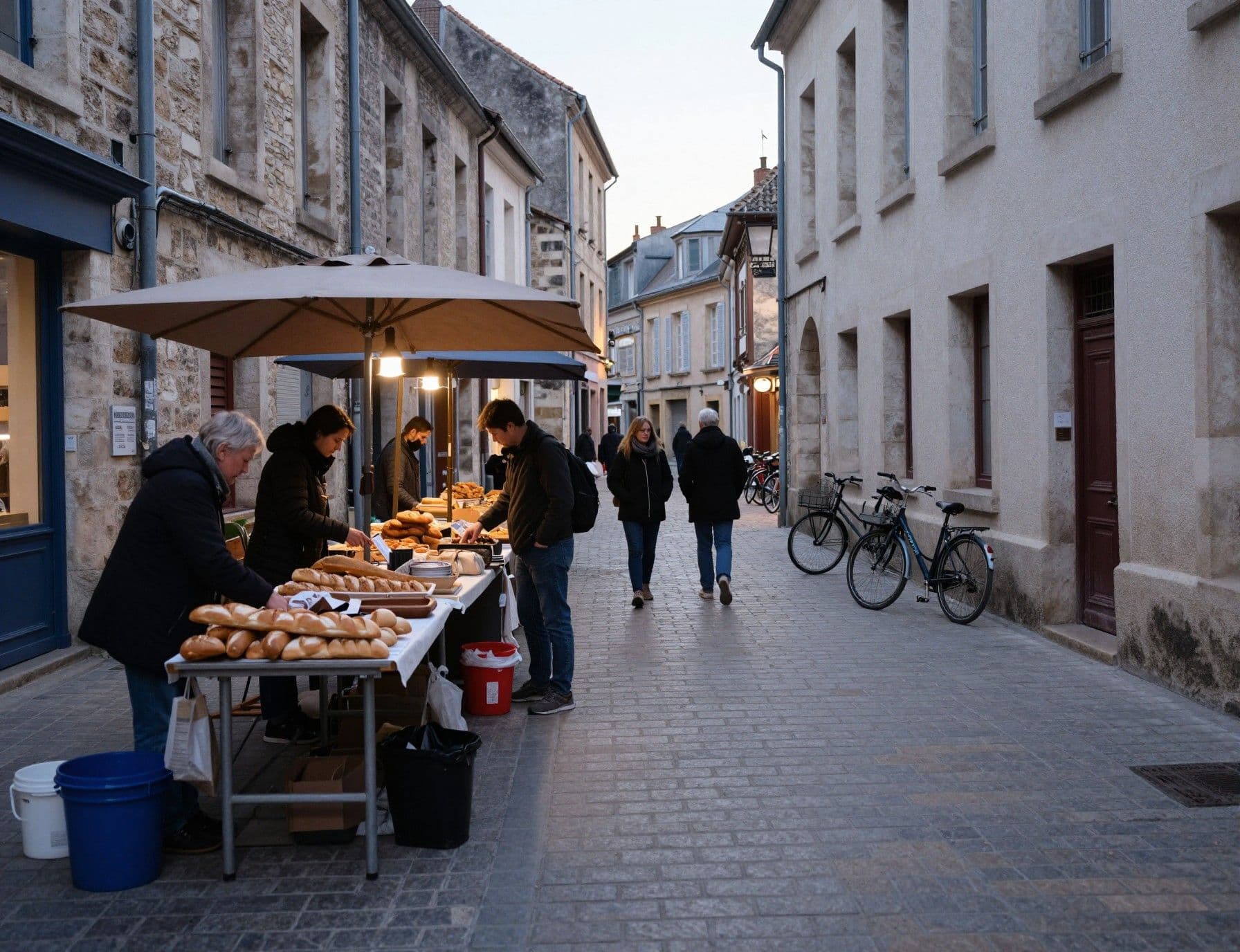
France is many countries in one: tight, animated rues in Lyon’s Croix‑Rousse; sleepy village squares in the Lot; the particular light of Biarritz mornings. For international buyers the attraction is tangible — markets, local cafés, Saturday fromage rituals — but the way you live there determines the property you should buy. A Parisian pied‑à‑terre is about proximity and transport; a Dordogne farmhouse is about land, insulation and winter heating bills.
Neighbourhoods that tell you how to live
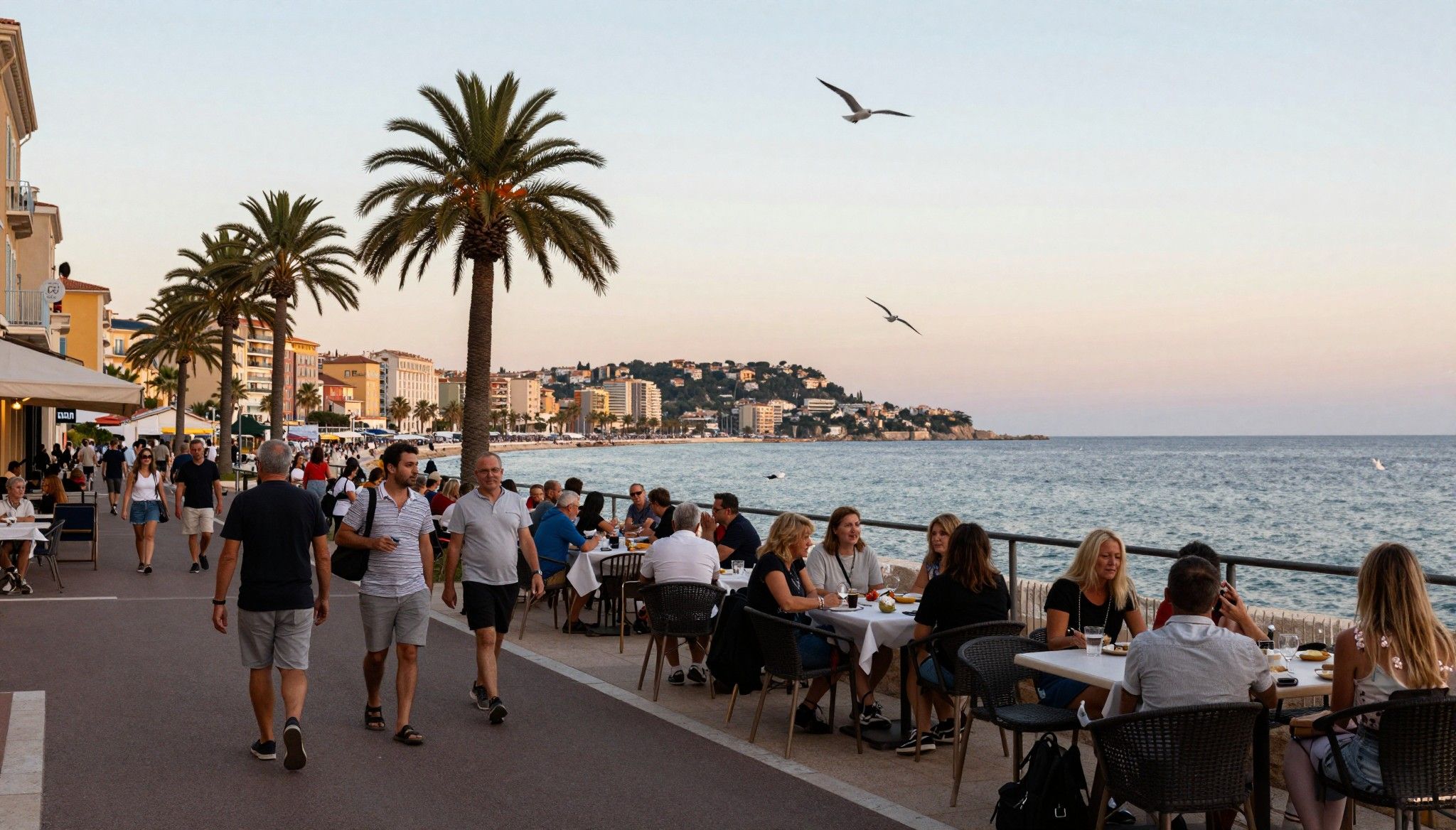
Pick a street and you pick a rhythm. In Paris, Le Marais means galleries and late suppers; the 7th arrondissement is measured and museum‑close. On the Riviera, Nice’s Promenade offers cafes at every turn, while villages like Èze reward patience with quieter, steeper lanes. We visited local markets and small cafés to see what residents actually do: shop early, linger late, and use public space as a living room. That matters when you choose a property — access to a boulangerie is not decorative, it’s daily life.
Food, festivals and the slow calendar
Seasonality shapes French social life. Truffle season in Périgord, Fête de la Musique in June, and the coastal high season (July–August) all rearrange rental demand and neighbourhood energy. Buying in a resort town means weighing summer vibrancy against long, quieter winters. We recommend spending multiple short stays across seasons before deciding — it reveals the rhythm no statistic can fully capture.
Making the move: where the data surprises you
The headline claim that "France is expensive" flattens nuance. Notaires de France price maps show Paris and a few coastal hotspots are high‑priced per m², but many inland departments retain relative affordability. Meanwhile INSEE’s Q1 2025 release recorded a modest national uptick in prices after stabilization — a reminder: short‑term headlines don’t replace neighbourhood maps. Use national indices to spot tempo; use notarial maps to pick streets.
Property types and price behaviour
Renovations, village houses, and new apartments don’t move in sync. Prime city flats often show slower, steadier gains; rural stone houses swing with buyer sentiment and mortgage costs. International demand keeps pressure on Riviera and Paris prime segments, while regional towns show mixed supply dynamics. Reports from Savills and national notaries help you understand which property type in which region is likely to hold value.
- Price factors to check before you fall in love
• Local supply (new builds vs old stock) • Transport links and commute times • Seasonal rental demand and tourist flux • Recent notarial sale prices on the same street • Future planning: municipal projects that change desirability • Energy performance (DPE) and renovation need
Insider knowledge: what expats wish they’d known
Expats we spoke to repeat three pragmatic truths: first, language opens doors (and better agency deals); second, off‑season visits change perception dramatically; third, small defects that locals shrug at can cost you more if you inherit them. Beyond the romance, a bit of local humility — learning market phrases, meeting the mairie, checking weekly markets — changes outcomes more than a glossy listing.
How local agents help you buy the life, not just a home
A good local agent is a cultural translator: they’ll explain what a vendeur means when they say “travaux à prévoir,” how winter heating affects bills in old stone houses, and which streets fill with holiday lets. Work with agents who show recent sale receipts (actes) and bring local contacts — not just listings. We prefer agencies who spend time showing you the day‑to‑day, not only the best photograph.
- A practical checklist blending lifestyle and market sense
1. Spend at least two short stays in different seasons. 2. Pull notarial price records for the exact street (ask your agent). 3. Check DPE and estimated renovation costs before offer. 4. Visit local markets, boulangeries and transport hubs at peak times. 5. Meet the syndic (co‑ownership manager) for apartment accounts. 6. Build a local cost buffer (10–15%) for unexpected works or taxes.
Where data matters most
Use INSEE for macro momentum (quarterly trends) and Notaires for street‑level prices. Cross‑check with an independent estate‑agent report (eg. Savills) for outlook and prime market commentary. That trio gives you national tempo, local reality, and forward signals — the minimum data set any international buyer should demand.
Conclusion — fall for France, buy with your eyes open
France sells itself: food markets, provincial light, and neighbourhood rituals are easy to love. But the smartest buyers let the atmosphere lead and the data decide the street. Combine seasonal stays, notarial price checks, DPE review and a local agent who knows the rhythm of life here. Do that, and you won’t just own a property — you’ll own a way of life you visit every morning.
Ashworth & DrakeDanish investment specialist who relocated to Costa del Sol in 2015. Focuses on data-driven market timing and long-term value for Danish buyers.
Related Articles
More insights that might interest you
 Villa Curated
 Villa Curated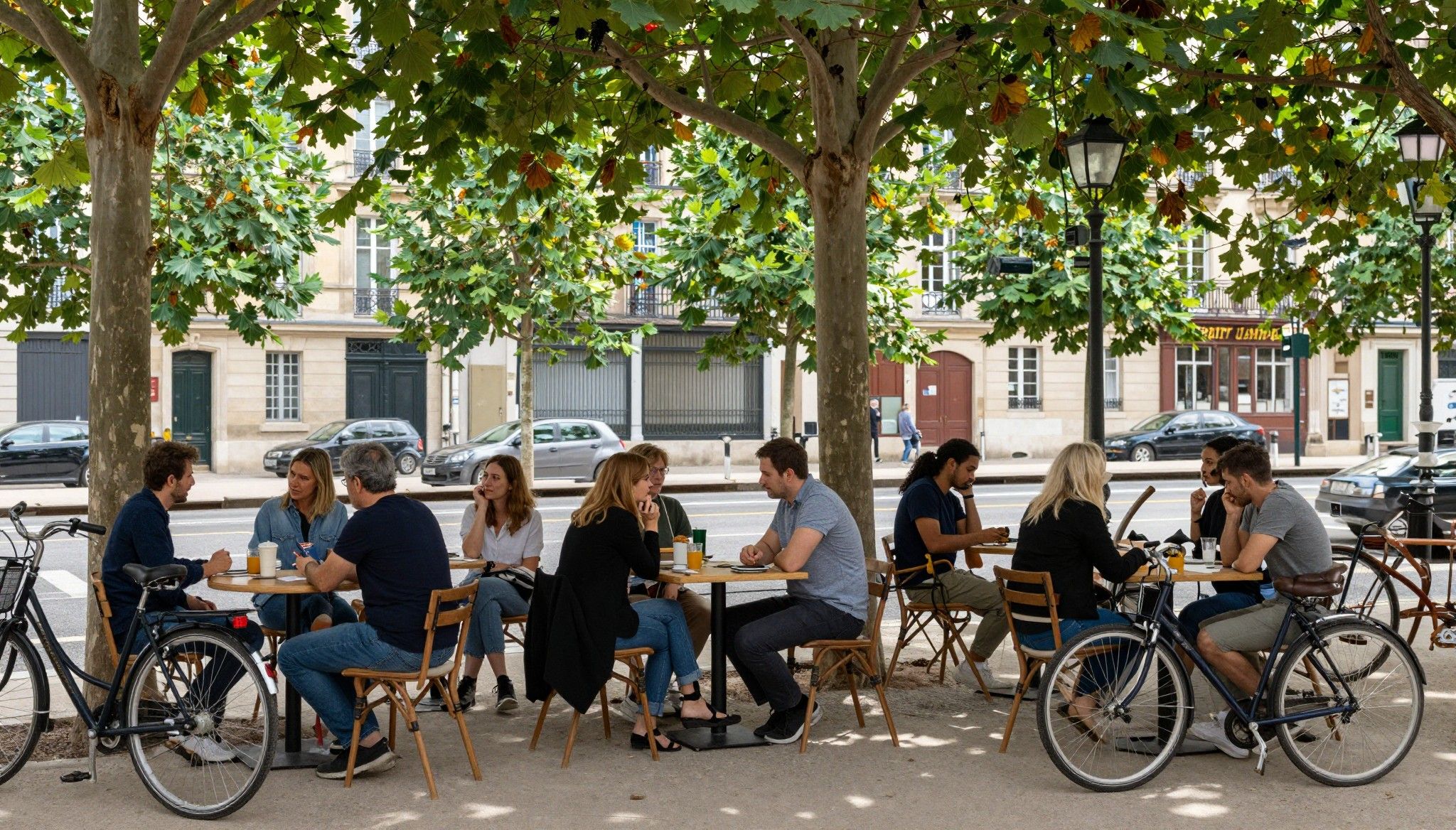
 The Yieldist

