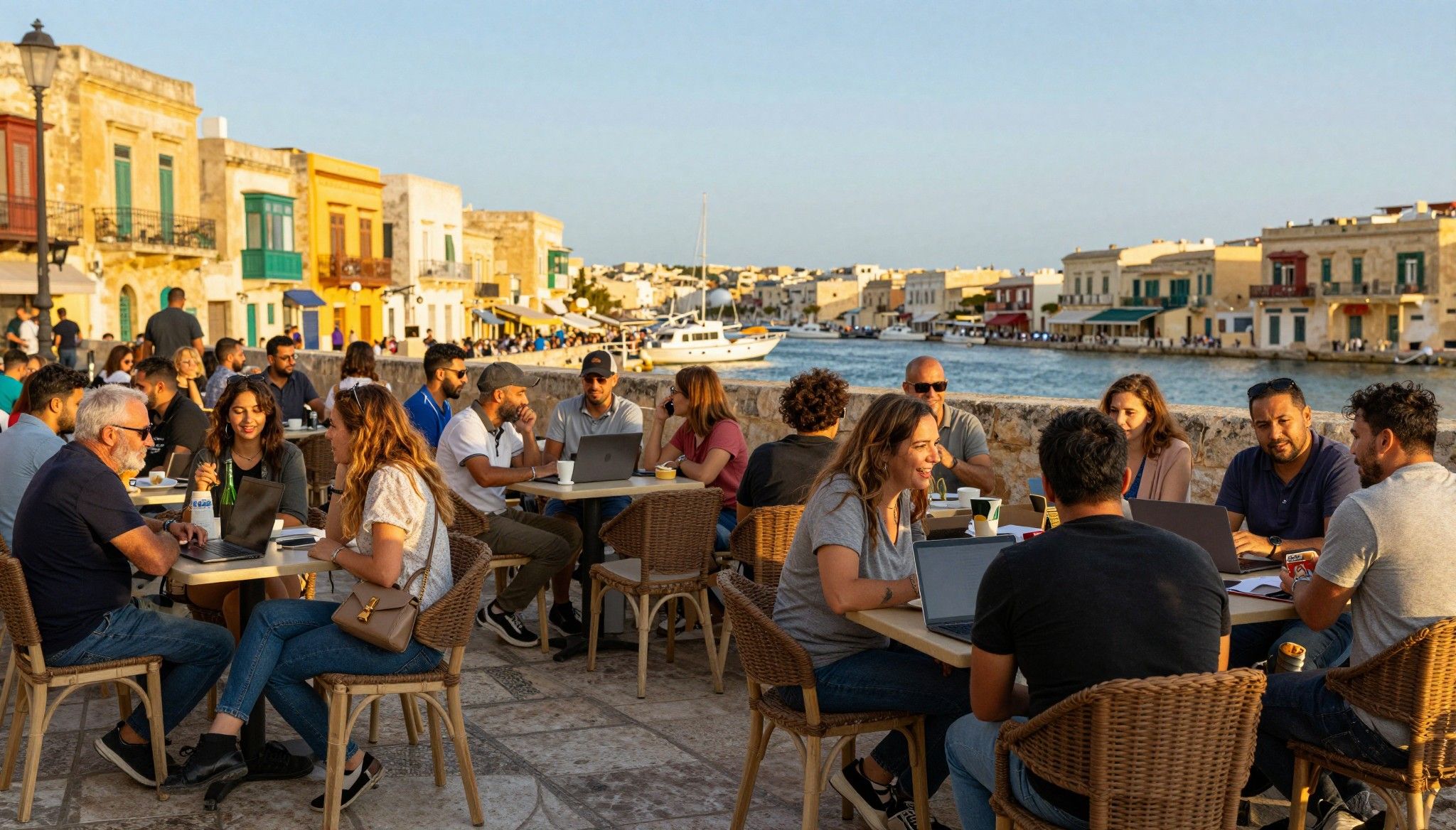
The Malta Neighborhood Everyone Undervalues — Here's Why
A lifestyle-first look at Malta’s neighbourhood trade-offs: why quieter Ta’ Xbiex and Gżira can deliver the seaside nomad life without headline prices. Backed by Malta market data.
 MoveSettleGo
Imagine morning espresso on a tiny Valletta balcony, the harbour sunlight hitting limestone walls, then a 10-minute walk to a coworking where Huddle and Spaces swap freelancers and iGaming coders. Malta feels small, bright and immediate — every neighbourhood a microcosm with its own rhythm. For nomads considering a move, the question isn’t just price per square metre; it’s where the life you crave actually happens.
Living the Malta lifestyle
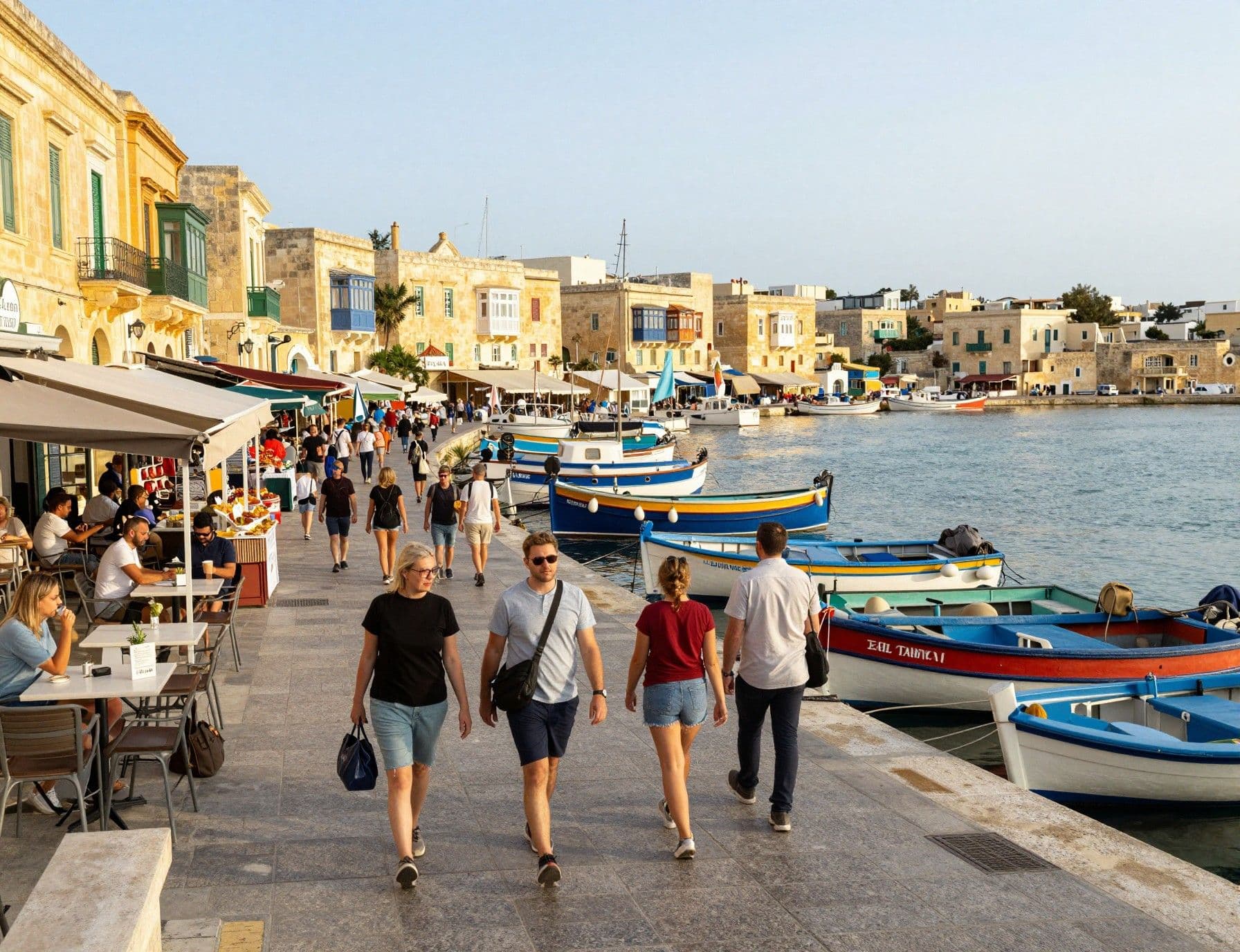
Malta wakes early in summer markets and slows to a social crawl in winter evenings. You’ll trade long commutes for walkable promontories, espresso counters and rooftop dinners. Valletta’s narrow streets sing history; Sliema and St Julian’s carry the seaside bustle and café culture; Mellieħa and Gozo offer slower coastal mornings. For remote workers, pockets of fast fibre, friendly cafés and compact parks decide where you’ll truly live, not just where you can afford a flat.
Ta’ Xbiex: the undervalued locals’ secret
You’ve heard of Sliema and St Julian’s, but Ta’ Xbiex — a narrow headland between Msida and Gżira — is where yacht crews, diplomats and quiet professionals live. Think low-rise seafront apartments, marina views and a runner’s route that ends in Spinola Bay. It’s compact, photogenic and often priced below neighbouring harbour-side hotspots, yet it offers the exact lifestyle many nomads want: short commutes, cafés with power outlets, and a calmer evening scene.
Food, cafes and evening rhythms
Picture this: weekend fish markets in Marsaxlokk, lunchtime pastizzi from a family bakery in Sliema, aperitivos in St George’s Bay. Malta’s dining is seaside-forward — fresh catch, simple pasta, and late-night bar culture in Paceville if you want it. Ta’ Xbiex and Gżira are a short stroll from tiny neighbourhood gems where locals actually eat, which matters when you want to feel rooted fast.
- Lifestyle highlights — real places to test a neighbourhood
- Spinola Bay promenade (St Julian’s) — sea views, cafés and evening people-watching
- Gżira waterfront & Villa Rosa cafés — laptop-friendly mornings near the water
Making the move: practical considerations
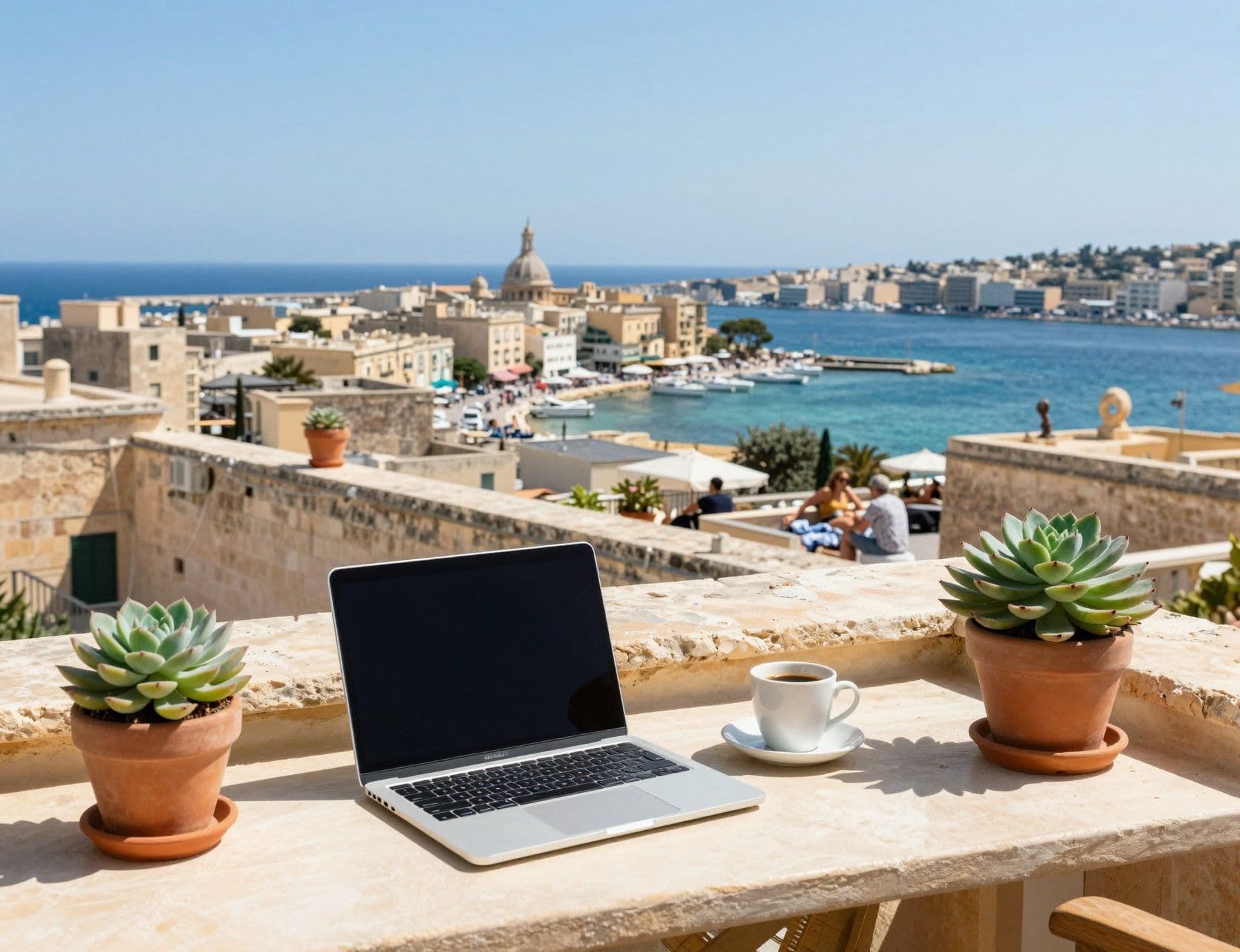
Lifestyle is why you move, but market facts shape what you can buy. Malta recorded strong transaction volumes and rising prices in recent years, with increased activity across apartments and maisonettes — especially around central harbours and popular seaside towns. That means good stock of renovated flats in walkable pockets, but also affordability pressure. Balance the vibe you want with up-to-date price trends and permit activity before making an offer.
Property styles: maisonettes, converted townhouses and new builds
Most nomads choose apartments or maisonettes for low upkeep and location. Converted townhouses (especially in Valletta and Mdina) give historic charm and terraces but often need renovation. New-builds in Sliema or Tigné/Portomaso bring modern amenities and sometimes concierge services. If you work from home, prioritise natural light, a dedicated workspace and confirmed fibre availability — not just an extra bedroom.
Working with local experts who get nomads
Good local agents do more than show flats. They’ll tell you which cafés have reliable Wi‑Fi, which streets are noisy after midnight, and where short-term rentals are tolerated. Look for agencies experienced with expats and remote workers — they’ll advise on connectivity checks, lease flexibility, and community fit. Ask an agent for references from recent international buyers and for recent comparable sales in your target streets.
- Steps to assess a neighbourhood before you buy
- 1. Spend 48 hours living like a local: mornings in cafés, evening walks on the promenade.
- 2. Confirm broadband providers and measured download speeds in specific units.
- 3. Check short‑term rental rules for the building — many central spots have evolving regulations.
- 4. Ask your agent for comparable deeds (recent sales) on the same street, not just the same neighbourhood.
Insider knowledge: what expats wish they’d known
Expats often say they underestimated Malta’s micro-neighbourhood differences. Two streets can feel worlds apart: one with preggo‑friendly bakeries and playgrounds, the other with bars that hum till dawn. Also, seasonal life matters — summer brings tourists and energy; winter reveals true local networks. Learn the rhythms before committing.
Cultural integration and daily life
English is an official language, so practical integration is faster than in many countries. Still, local social customs — long lunches, late dinners, close-knit village associations — shape where you’ll fit in. Volunteer at a festa, learn a few Maltese phrases, and show up at local markets: community membership often opens doors faster than formal networking.
Long-term lifestyle + investment trade-offs
If you plan to hold property long-term, weigh rental demand (strong near universities and iGaming hubs) against seasons and rising building permit activity. Areas like Sliema and St Julian’s command rent and resale interest; Ta’ Xbiex and Gżira often offer softer entry prices with similar access. Consider maintenance for older stone homes versus the energy efficiency of new builds.
Conclusion: fall for the life first, then buy the neighbourhood. Spend time in the cafés, test the internet from your favourite table, and ask an agent about recent deeds on the exact street you love. If you want Malta’s daily magic without headline prices, give Ta’ Xbiex and Gżira a proper 48‑hour try — they’re where locals actually buy and where nomads quickly feel at home.
MoveSettleGoBritish expat who moved from Manchester to Mallorca in 2017. Specializes in market analysis and helping fellow Brit navigate local regulations.
Related Articles
More insights that might interest you
 Villa Curated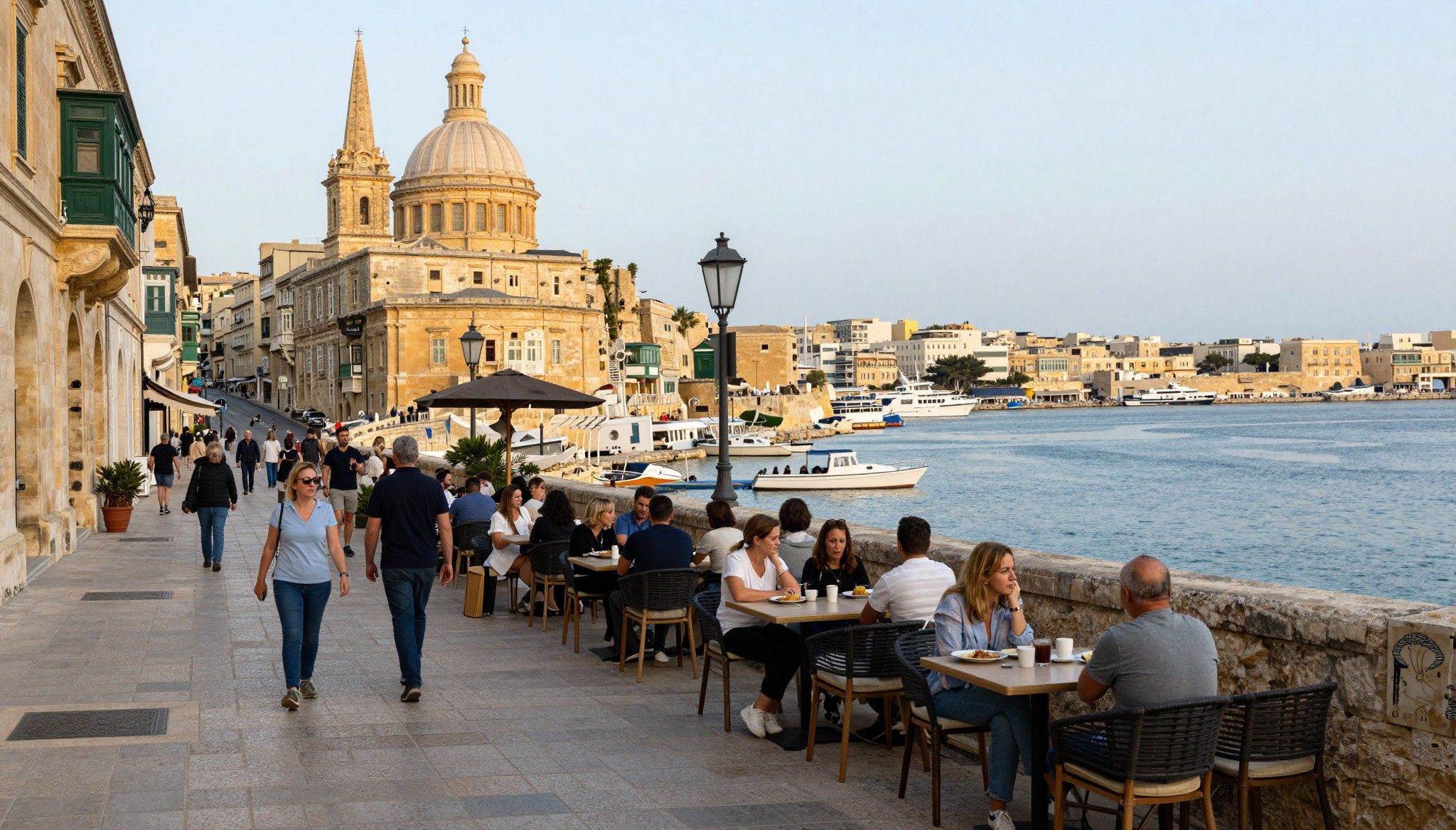
 The Yieldist
 The Yieldist

